

Give the Gift of Choice!
Too many options? Treat your friends and family to their favourite stores with a Bayshore Shopping Centre gift card, redeemable at participating retailers throughout the centre. Click below to purchase yours today!Purchase HereHome
The Growth of Shadow Banking: A Comparative Institutional Analysis
Coles
Loading Inventory...
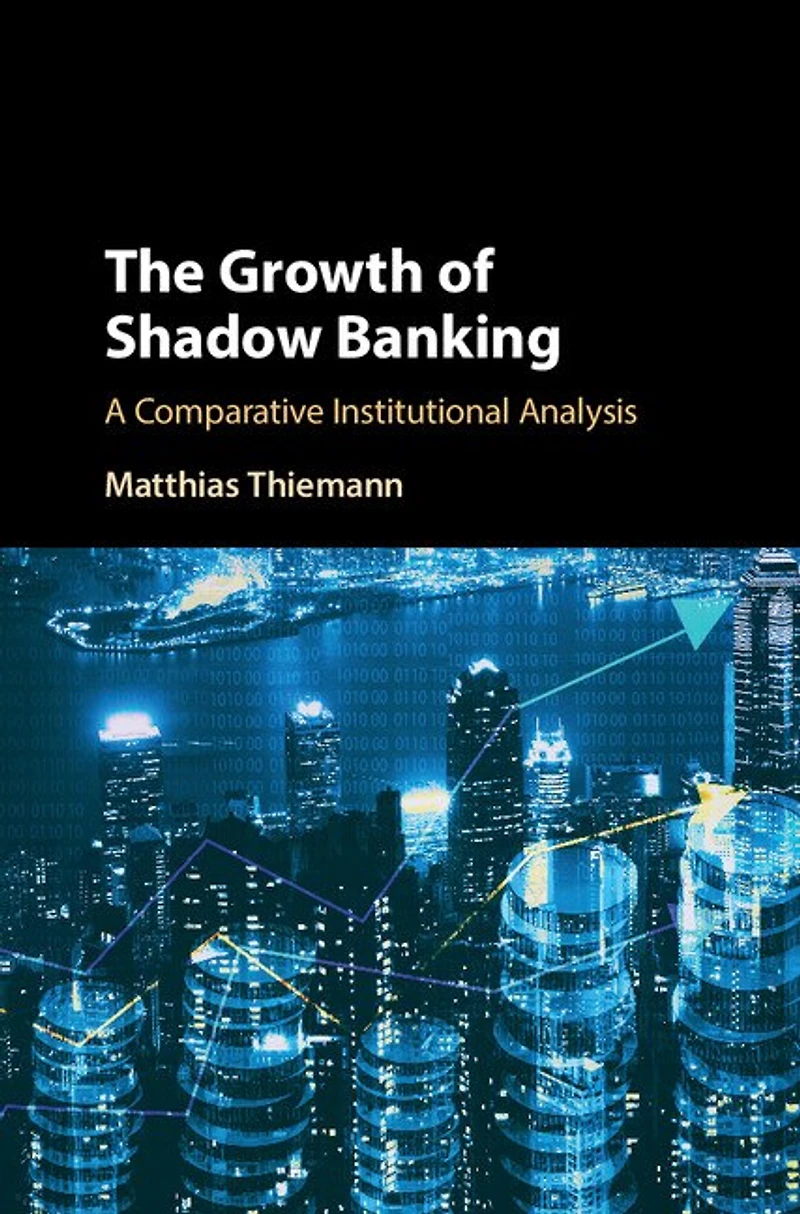
The Growth of Shadow Banking: A Comparative Institutional Analysis in Ottawa, ON
Current price: $166.95

The Growth of Shadow Banking: A Comparative Institutional Analysis in Ottawa, ON
Current price: $166.95
Loading Inventory...
Size: Hardcover
*Product information may vary - to confirm product availability, pricing, shipping and return information please contact Coles
The 'shadow banking system' refers to a system of credit-provision occurring outside of the official regulatory perimeter of commercial banks. Facilitated by securitization vehicles, mutual funds, hedge funds, investment banks and mortgage companies, the function and regulation of these shadow banking institutions has come under increasing scrutiny after the subprime crisis of 2007–8. Matthias Thiemann examines how regulators came to tolerate the emergence of links between the banking and shadow banking systems. Through a comparative analysis of the US, France, the Netherlands and Germany, he argues that fractured domestic and global governance systems determining the regulatory approach to these links ultimately aggravated the recent financial crisis. Since 2008, shadow banking has even expanded and the incentives for banks to bend the rules have only increased with increasing regulation. Thiemann's empirical work suggests how state-finance relations could be restructured to keep the banking system under state control and avoid future financial collapses.
The 'shadow banking system' refers to a system of credit-provision occurring outside of the official regulatory perimeter of commercial banks. Facilitated by securitization vehicles, mutual funds, hedge funds, investment banks and mortgage companies, the function and regulation of these shadow banking institutions has come under increasing scrutiny after the subprime crisis of 2007–8. Matthias Thiemann examines how regulators came to tolerate the emergence of links between the banking and shadow banking systems. Through a comparative analysis of the US, France, the Netherlands and Germany, he argues that fractured domestic and global governance systems determining the regulatory approach to these links ultimately aggravated the recent financial crisis. Since 2008, shadow banking has even expanded and the incentives for banks to bend the rules have only increased with increasing regulation. Thiemann's empirical work suggests how state-finance relations could be restructured to keep the banking system under state control and avoid future financial collapses.
You May Also Like







More About Coles at Bayshore Shopping Centre
Coles is renowned for its outstanding customer service and great selection of books. Along with the vast array of magazines, stationary, audio-books, children's literature, fiction, non-fiction and reference books, you can find accessories to make your reading experience more pleasurable. We can recommend the very best in reading today. We will help you search our titles for exactly what you need, and if we do not have it in stock, we will order it for you.
100 Bayshore Dr, Nepean, ON K2B 8C1, Canada
Find Coles at Bayshore Shopping Centre in Ottawa, ON
Visit Coles at Bayshore Shopping Centre in Ottawa, ON