

Give the Gift of Choice!
Too many options? Treat your friends and family to their favourite stores with a Bayshore Shopping Centre gift card, redeemable at participating retailers throughout the centre. Click below to purchase yours today!Purchase HereHome
the Hadrami Diaspora: Community-Building on Indian Ocean Rim
Coles
Loading Inventory...

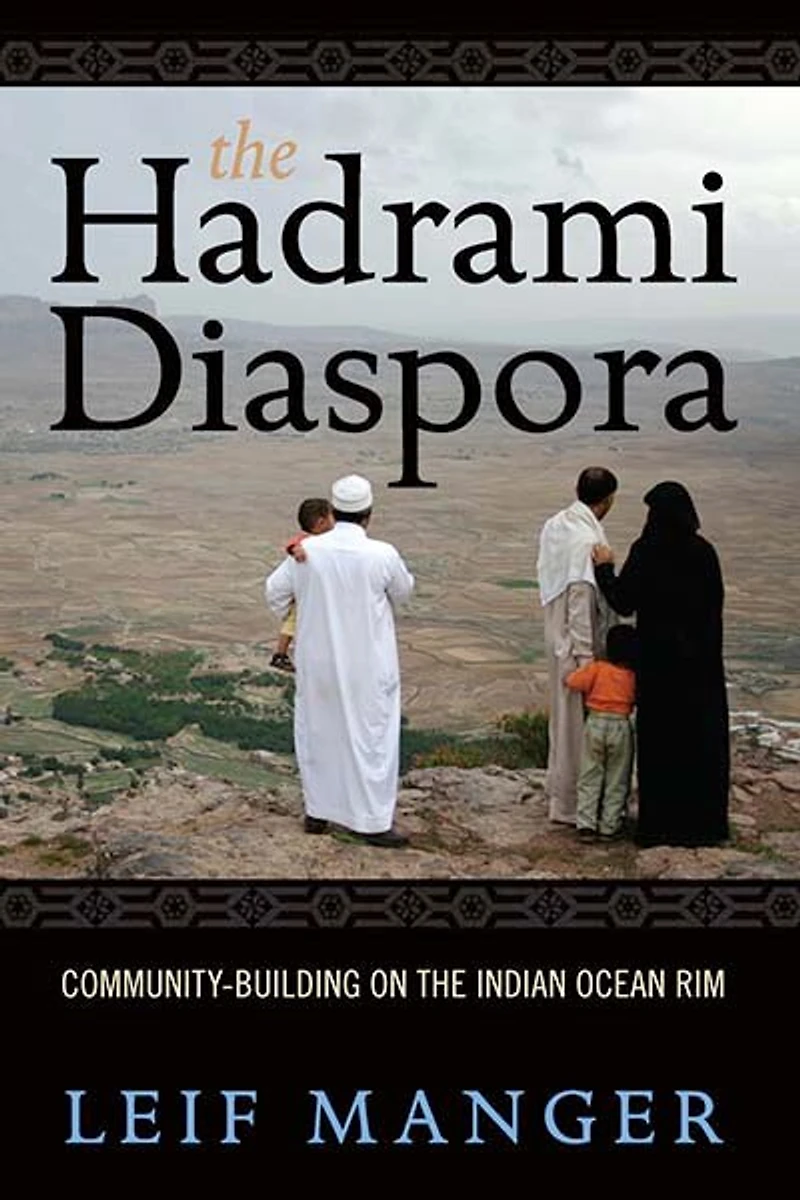
the Hadrami Diaspora: Community-Building on Indian Ocean Rim in Ottawa, ON
Current price: $27.09
Original price: $33.86

the Hadrami Diaspora: Community-Building on Indian Ocean Rim in Ottawa, ON
Current price: $27.09
Original price: $33.86
Loading Inventory...
Size: Kobo eBook
*Product information may vary - to confirm product availability, pricing, shipping and return information please contact Coles
The Hadramis of South Yemen and the emergence of their diasporic communities throughout the Indian Ocean region are an intriguing facet of the history of this region’s migratory patterns. In the early centuries of migration, the Yemeni, or Hadrami, traveler was both a trader and a religious missionary, making the migrant community both a “trade diaspora” and a “religious diaspora.” This tradition has continued as Hadramis around the world have been linked to networks of extremist, Islamic-inspired movements—Osama bin Laden, leader of Al Qaeda and descendant of a prominent Hadrami family, as the most infamous example. However, communities of Hadramis living outside Yemen are not homogenous. The author expertly elucidates the complexity of the diasporic process, showing how it contrasts with the conventional understanding of the Hadrami diaspora as an unchanging society with predefined cultural characteristics originating in the homeland. Exploring ethnic, social, and religious aspects, the author offers a deepened understanding of links between Yemen and Indian Ocean regions (including India, Southeast Asia, and the Horn of Africa) and the emerging international community of Muslims.
The Hadramis of South Yemen and the emergence of their diasporic communities throughout the Indian Ocean region are an intriguing facet of the history of this region’s migratory patterns. In the early centuries of migration, the Yemeni, or Hadrami, traveler was both a trader and a religious missionary, making the migrant community both a “trade diaspora” and a “religious diaspora.” This tradition has continued as Hadramis around the world have been linked to networks of extremist, Islamic-inspired movements—Osama bin Laden, leader of Al Qaeda and descendant of a prominent Hadrami family, as the most infamous example. However, communities of Hadramis living outside Yemen are not homogenous. The author expertly elucidates the complexity of the diasporic process, showing how it contrasts with the conventional understanding of the Hadrami diaspora as an unchanging society with predefined cultural characteristics originating in the homeland. Exploring ethnic, social, and religious aspects, the author offers a deepened understanding of links between Yemen and Indian Ocean regions (including India, Southeast Asia, and the Horn of Africa) and the emerging international community of Muslims.
You May Also Like










More About Coles at Bayshore Shopping Centre
Coles is renowned for its outstanding customer service and great selection of books. Along with the vast array of magazines, stationary, audio-books, children's literature, fiction, non-fiction and reference books, you can find accessories to make your reading experience more pleasurable. We can recommend the very best in reading today. We will help you search our titles for exactly what you need, and if we do not have it in stock, we will order it for you.
100 Bayshore Dr, Nepean, ON K2B 8C1, Canada
Find Coles at Bayshore Shopping Centre in Ottawa, ON
Visit Coles at Bayshore Shopping Centre in Ottawa, ON