

Give the Gift of Choice!
Too many options? Treat your friends and family to their favourite stores with a Bayshore Shopping Centre gift card, redeemable at participating retailers throughout the centre. Click below to purchase yours today!Purchase HereHome
The Hallowing of Logic: The Trinitarian Method of Richard Baxter's Methodus Theologiae
Coles
Loading Inventory...
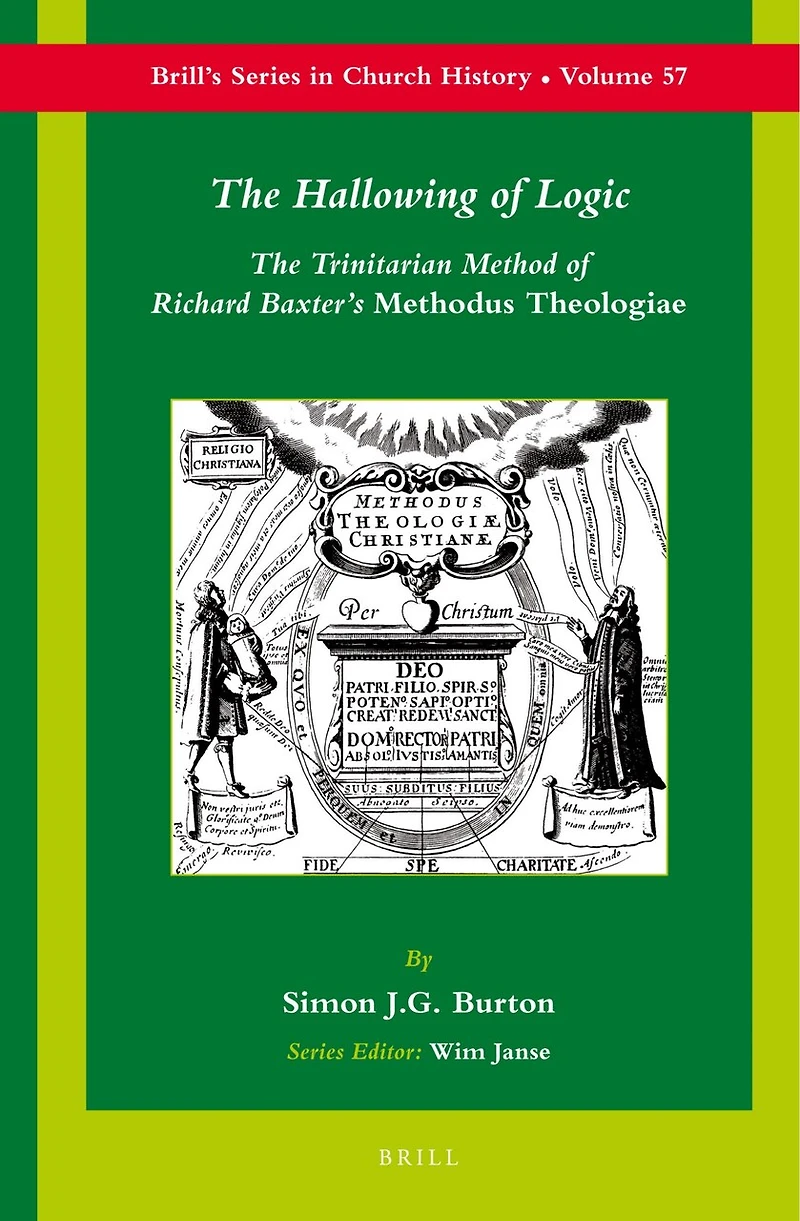
The Hallowing of Logic: The Trinitarian Method of Richard Baxter's Methodus Theologiae in Ottawa, ON
Current price: $229.99

The Hallowing of Logic: The Trinitarian Method of Richard Baxter's Methodus Theologiae in Ottawa, ON
Current price: $229.99
Loading Inventory...
Size: Hardcover
*Product information may vary - to confirm product availability, pricing, shipping and return information please contact Coles
While Richard Baxter (1615-91) has been called the ‘chief of English Protestant schoolmen’, few studies of his theology exist, and none of his major systematic work the Methodus Theologiae (1681). Through examining the scriptural and metaphysical foundations of his exemplaristic logic, and engaging extensively with his medieval and early modern sources, this study presents Baxter’s understanding of method as the unfolding of the believer’s relation with the Triune God through salvation history, revealing his profound debt to Scotist and Nominalist thought. In tracing the manifold ramifications of this method it offers a fresh reading of Baxter’s soteriology, countering the charges of moralism and rationalism often levelled at him, and placing his thought within a scholastic paradigm of ‘faith seeking understanding’.
While Richard Baxter (1615-91) has been called the ‘chief of English Protestant schoolmen’, few studies of his theology exist, and none of his major systematic work the Methodus Theologiae (1681). Through examining the scriptural and metaphysical foundations of his exemplaristic logic, and engaging extensively with his medieval and early modern sources, this study presents Baxter’s understanding of method as the unfolding of the believer’s relation with the Triune God through salvation history, revealing his profound debt to Scotist and Nominalist thought. In tracing the manifold ramifications of this method it offers a fresh reading of Baxter’s soteriology, countering the charges of moralism and rationalism often levelled at him, and placing his thought within a scholastic paradigm of ‘faith seeking understanding’.
You May Also Like










More About Coles at Bayshore Shopping Centre
Coles is renowned for its outstanding customer service and great selection of books. Along with the vast array of magazines, stationary, audio-books, children's literature, fiction, non-fiction and reference books, you can find accessories to make your reading experience more pleasurable. We can recommend the very best in reading today. We will help you search our titles for exactly what you need, and if we do not have it in stock, we will order it for you.
100 Bayshore Dr, Nepean, ON K2B 8C1, Canada
Find Coles at Bayshore Shopping Centre in Ottawa, ON
Visit Coles at Bayshore Shopping Centre in Ottawa, ON