

Give the Gift of Choice!
Too many options? Treat your friends and family to their favourite stores with a Bayshore Shopping Centre gift card, redeemable at participating retailers throughout the centre. Click below to purchase yours today!Purchase HereHome
The Hesiodic Catalogue of Women and Archaic Greece
Coles
Loading Inventory...
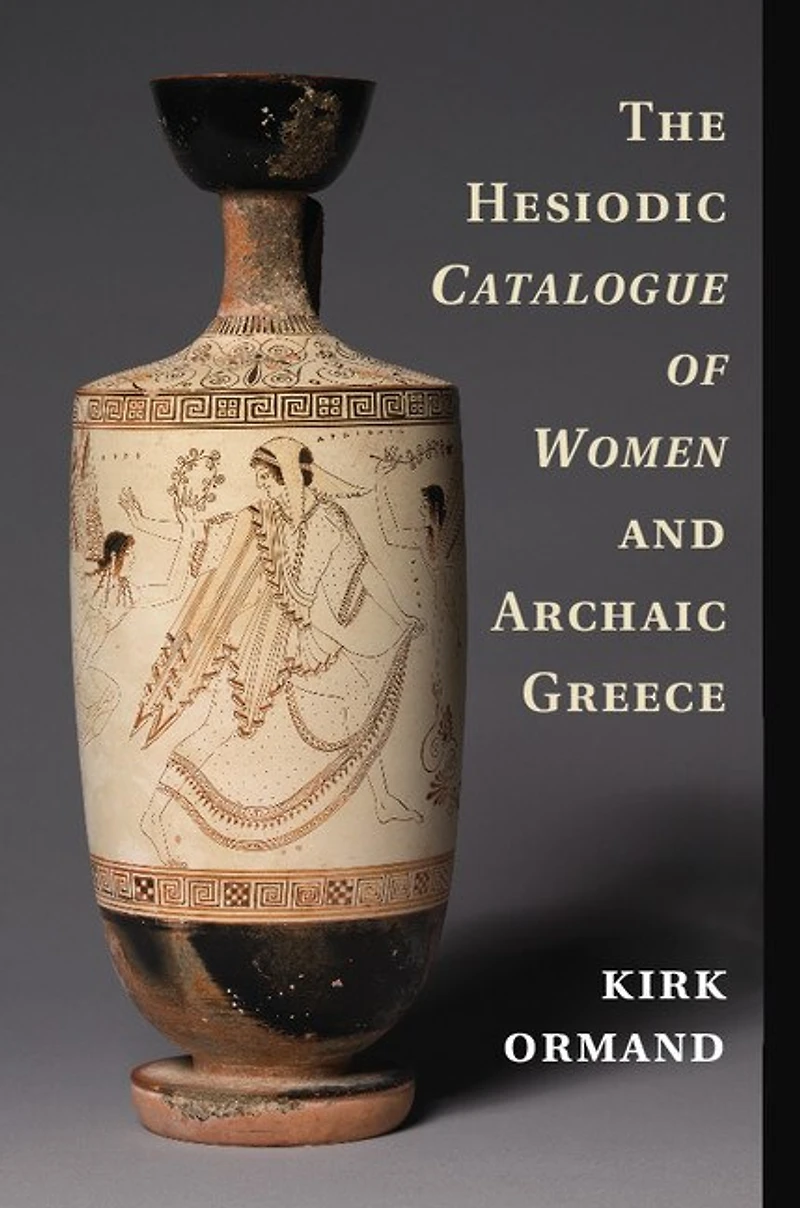
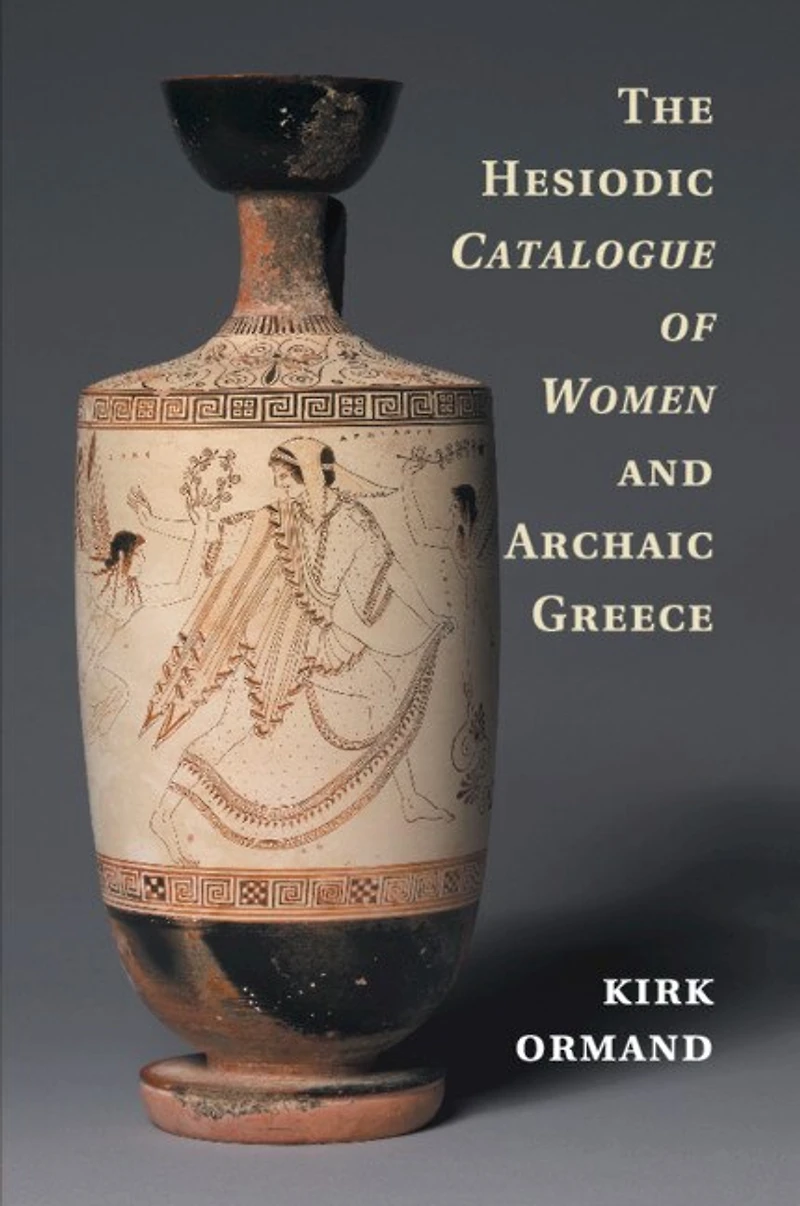
The Hesiodic Catalogue of Women and Archaic Greece in Ottawa, ON
Current price: $152.95

The Hesiodic Catalogue of Women and Archaic Greece in Ottawa, ON
Current price: $152.95
Loading Inventory...
Size: Hardcover
*Product information may vary - to confirm product availability, pricing, shipping and return information please contact Coles
This book examines the extant fragments of the archaic Greek poem known in antiquity as Hesiod's Catalogue of Women. Kirk Ormand shows that the poem should be read intertextually with other hexameter poetry from the eighth to sixth century BCE, especially Homer, Hesiod, and the Cyclic epics. Through literary interaction with these poems, the Catalogue reflects political and social tensions in the archaic period regarding the production of elite status. In particular, Ormand argues that the Catalogue reacts against the “middling ideology” that came to the fore during the archaic period in Greece, championing traditional aristocratic modes of status. Ormand maintains that the poem's presentation of the end of the heroic age is a reflection of a declining emphasis on nobility of birth in the structures of authority in the emerging sixth century polis.
This book examines the extant fragments of the archaic Greek poem known in antiquity as Hesiod's Catalogue of Women. Kirk Ormand shows that the poem should be read intertextually with other hexameter poetry from the eighth to sixth century BCE, especially Homer, Hesiod, and the Cyclic epics. Through literary interaction with these poems, the Catalogue reflects political and social tensions in the archaic period regarding the production of elite status. In particular, Ormand argues that the Catalogue reacts against the “middling ideology” that came to the fore during the archaic period in Greece, championing traditional aristocratic modes of status. Ormand maintains that the poem's presentation of the end of the heroic age is a reflection of a declining emphasis on nobility of birth in the structures of authority in the emerging sixth century polis.
You May Also Like








More About Coles at Bayshore Shopping Centre
Coles is renowned for its outstanding customer service and great selection of books. Along with the vast array of magazines, stationary, audio-books, children's literature, fiction, non-fiction and reference books, you can find accessories to make your reading experience more pleasurable. We can recommend the very best in reading today. We will help you search our titles for exactly what you need, and if we do not have it in stock, we will order it for you.
100 Bayshore Dr, Nepean, ON K2B 8C1, Canada
Find Coles at Bayshore Shopping Centre in Ottawa, ON
Visit Coles at Bayshore Shopping Centre in Ottawa, ON