

Give the Gift of Choice!
Too many options? Treat your friends and family to their favourite stores with a Bayshore Shopping Centre gift card, redeemable at participating retailers throughout the centre. Click below to purchase yours today!Purchase HereHome
The Hidden Talents Framework: Implications for Science, Policy, and Practice
Coles
Loading Inventory...
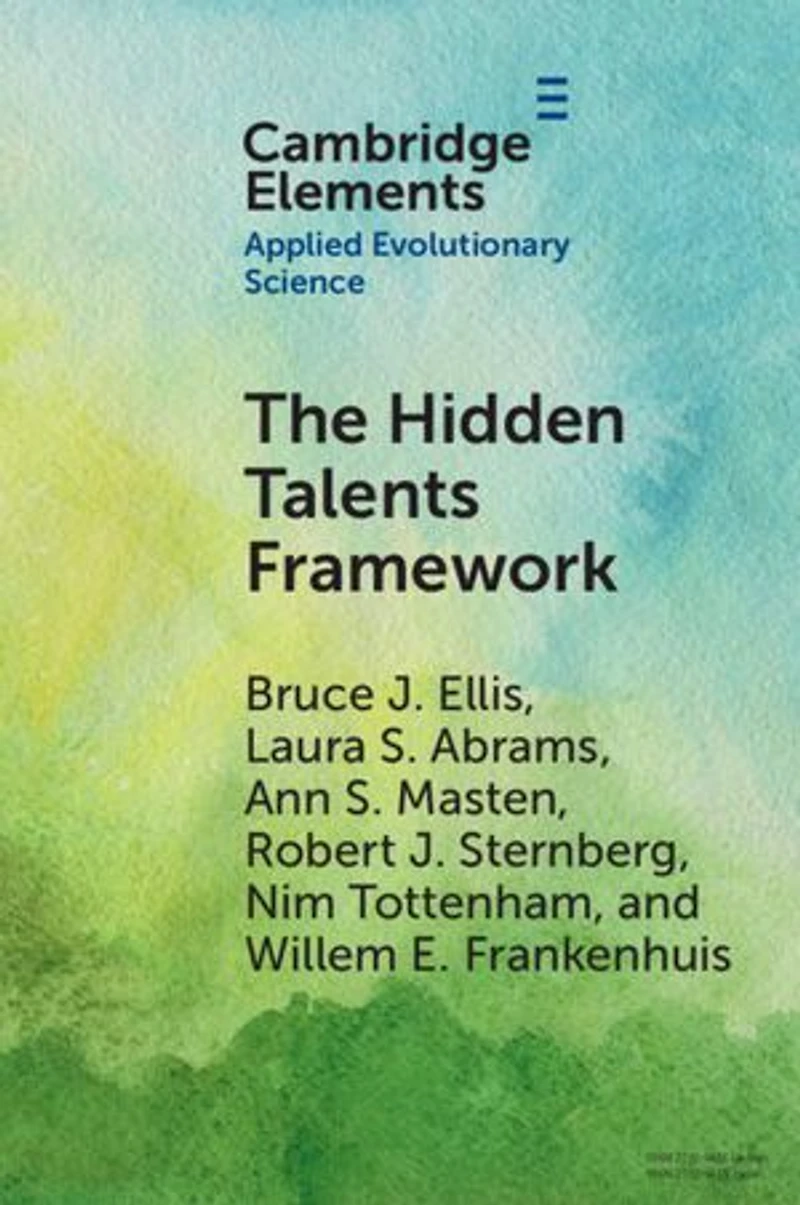
The Hidden Talents Framework: Implications for Science, Policy, and Practice in Ottawa, ON
Current price: $23.19
Original price: $28.95

The Hidden Talents Framework: Implications for Science, Policy, and Practice in Ottawa, ON
Current price: $23.19
Original price: $28.95
Loading Inventory...
Size: Kobo eBook
*Product information may vary - to confirm product availability, pricing, shipping and return information please contact Coles
Although early-life adversity can undermine healthy development, an evolutionary-developmental perspective implies that children growing up in harsh environments will develop intact, or even enhanced, skills for solving problems in high‐adversity contexts (i.e., 'hidden talents'). This Element situates the hidden talents model within a larger interdisciplinary framework. Summarizing theory and research on hidden talents, it proposes that stress-adapted skills represent a form of adaptive intelligence enabling individuals to function within the constraints of harsh environments. It discusses potential applications of this perspective to multiple sectors concerned with youth from harsh environments, including education, social services, and juvenile justice, and compares the hidden talents model with contemporary developmental resilience models. The hidden talents approach, it concludes, offers exciting directions for research on childhood adversity, with translational implications for leveraging stress-adapted skills to more effectively tailor education, jobs, and interventions to fit the needs of individuals from a diverse range of life circumstances.
Although early-life adversity can undermine healthy development, an evolutionary-developmental perspective implies that children growing up in harsh environments will develop intact, or even enhanced, skills for solving problems in high‐adversity contexts (i.e., 'hidden talents'). This Element situates the hidden talents model within a larger interdisciplinary framework. Summarizing theory and research on hidden talents, it proposes that stress-adapted skills represent a form of adaptive intelligence enabling individuals to function within the constraints of harsh environments. It discusses potential applications of this perspective to multiple sectors concerned with youth from harsh environments, including education, social services, and juvenile justice, and compares the hidden talents model with contemporary developmental resilience models. The hidden talents approach, it concludes, offers exciting directions for research on childhood adversity, with translational implications for leveraging stress-adapted skills to more effectively tailor education, jobs, and interventions to fit the needs of individuals from a diverse range of life circumstances.
You May Also Like








More About Coles at Bayshore Shopping Centre
Coles is renowned for its outstanding customer service and great selection of books. Along with the vast array of magazines, stationary, audio-books, children's literature, fiction, non-fiction and reference books, you can find accessories to make your reading experience more pleasurable. We can recommend the very best in reading today. We will help you search our titles for exactly what you need, and if we do not have it in stock, we will order it for you.
100 Bayshore Dr, Nepean, ON K2B 8C1, Canada
Find Coles at Bayshore Shopping Centre in Ottawa, ON
Visit Coles at Bayshore Shopping Centre in Ottawa, ON