

Give the Gift of Choice!
Too many options? Treat your friends and family to their favourite stores with a Bayshore Shopping Centre gift card, redeemable at participating retailers throughout the centre. Click below to purchase yours today!Purchase HereHome
The Idea of Beginning Jules Lequier's Philosophy
Coles
Loading Inventory...
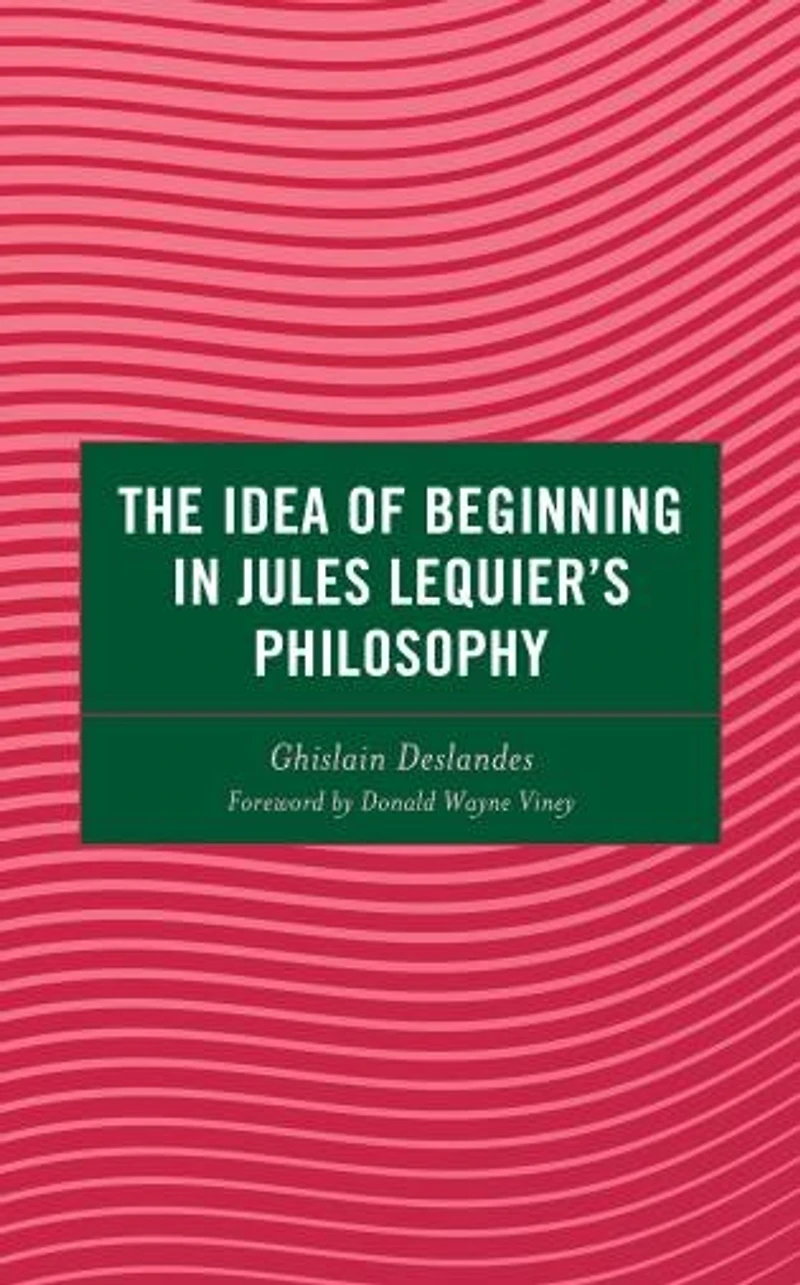

The Idea of Beginning Jules Lequier's Philosophy in Ottawa, ON
Current price: $138.95

The Idea of Beginning Jules Lequier's Philosophy in Ottawa, ON
Current price: $138.95
Loading Inventory...
Size: Hardcover
*Product information may vary - to confirm product availability, pricing, shipping and return information please contact Coles
The Idea of Beginning in Jules Lequier's Philosophy analyzes the work of an author mostly unknown in Anglophone countries, but who greatly influenced the trajectory of French philosophy over the last two centuries. Jules Lequier, in The Search for a First Truth, argues that beginning such a search is the goal towards which philosophy must tend. To achieve this, Lequier established a postulate, that of freedom against necessity, and set out a program as an inaugural gesture: "TO MAKE, not to become, but to make, and, in making, TO MAKE ONESELF." By the fertility of possible beginnings, the making in Lequier is always first and radical. As Ghislain Deslandes reveals in this exploration of Lequier's work, that something new is possible in philosophy after all, and that it should even be possible to invent it in other fields, applying the principle that "everything is to be relearned, and started again, but in another truth." Deslandes explores parallels between the "classical" antiphilosophers Pascal and Kierkegaard and Lequier, whose importance to French philosophy is today better documented and more widely recognized.
The Idea of Beginning in Jules Lequier's Philosophy analyzes the work of an author mostly unknown in Anglophone countries, but who greatly influenced the trajectory of French philosophy over the last two centuries. Jules Lequier, in The Search for a First Truth, argues that beginning such a search is the goal towards which philosophy must tend. To achieve this, Lequier established a postulate, that of freedom against necessity, and set out a program as an inaugural gesture: "TO MAKE, not to become, but to make, and, in making, TO MAKE ONESELF." By the fertility of possible beginnings, the making in Lequier is always first and radical. As Ghislain Deslandes reveals in this exploration of Lequier's work, that something new is possible in philosophy after all, and that it should even be possible to invent it in other fields, applying the principle that "everything is to be relearned, and started again, but in another truth." Deslandes explores parallels between the "classical" antiphilosophers Pascal and Kierkegaard and Lequier, whose importance to French philosophy is today better documented and more widely recognized.
You May Also Like









More About Coles at Bayshore Shopping Centre
Coles is renowned for its outstanding customer service and great selection of books. Along with the vast array of magazines, stationary, audio-books, children's literature, fiction, non-fiction and reference books, you can find accessories to make your reading experience more pleasurable. We can recommend the very best in reading today. We will help you search our titles for exactly what you need, and if we do not have it in stock, we will order it for you.
100 Bayshore Dr, Nepean, ON K2B 8C1, Canada
Find Coles at Bayshore Shopping Centre in Ottawa, ON
Visit Coles at Bayshore Shopping Centre in Ottawa, ON