

Give the Gift of Choice!
Too many options? Treat your friends and family to their favourite stores with a Bayshore Shopping Centre gift card, redeemable at participating retailers throughout the centre. Click below to purchase yours today!Purchase HereHome
The Imagined Juror: How Hypothetical Juries Influence Federal Prosecutors
Coles
Loading Inventory...
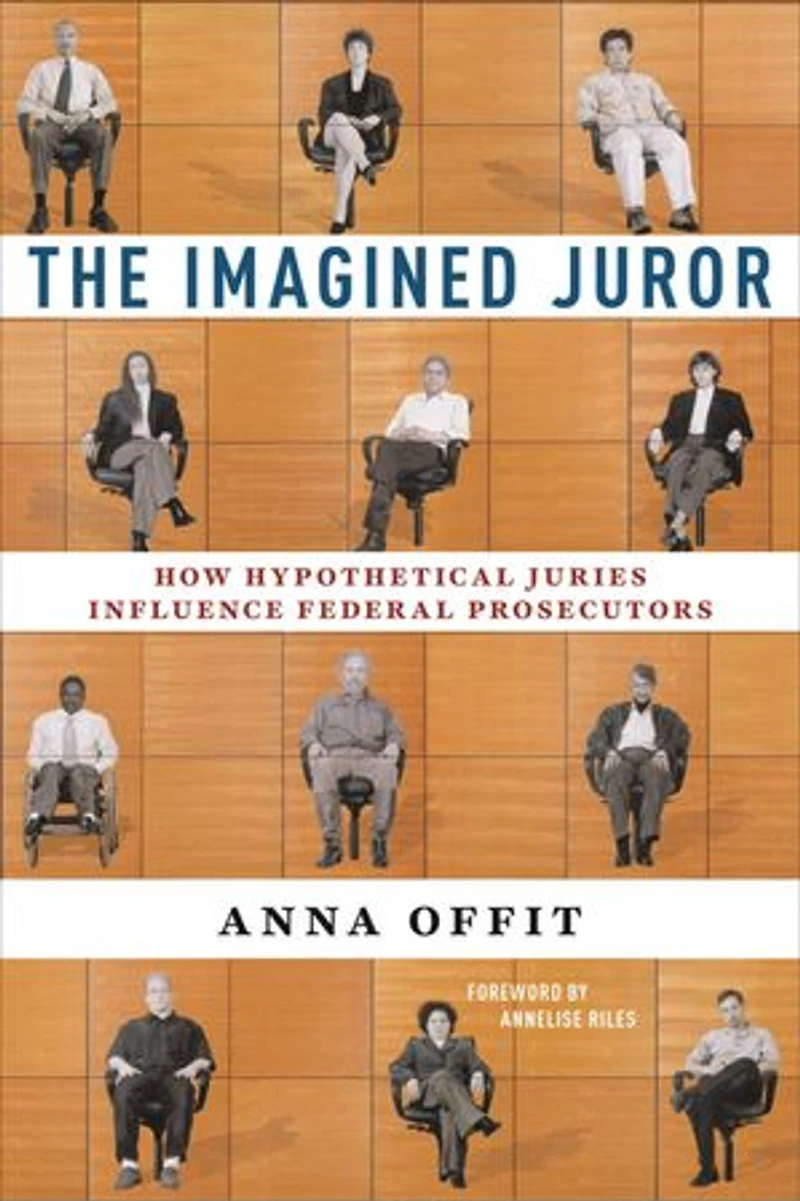
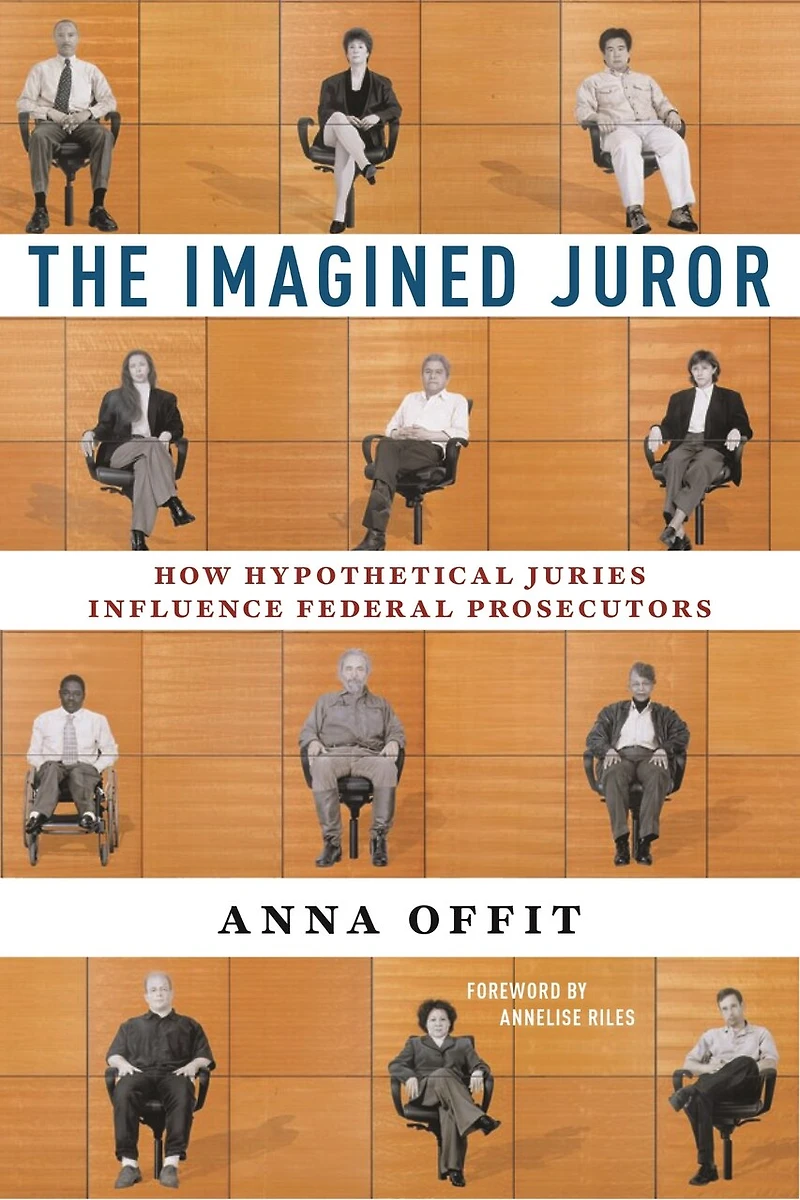
The Imagined Juror: How Hypothetical Juries Influence Federal Prosecutors in Ottawa, ON
Current price: $26.39
Original price: $32.99

The Imagined Juror: How Hypothetical Juries Influence Federal Prosecutors in Ottawa, ON
Current price: $26.39
Original price: $32.99
Loading Inventory...
Size: Kobo eBook
*Product information may vary - to confirm product availability, pricing, shipping and return information please contact Coles
Examines the outsized influence of jurors on prosecutorial discretion
Thanks to television and popular media, the jury is deeply embedded in the American public?s imagination of the legal system. For the country?s federal prosecutors, however, jurors have become an increasingly rare sight. Today, in fact, less than 2% of their cases will proceed to an actual jury trial. And yet, when federal prosecutors describe their jobs and what the profession means to them, the jury is a central theme.
Anna Offit?s The Imagined Juror examines the counterintuitive importance of jurors in federal prosecutors? work at a moment when jury trials are statistically in decline. Drawing on extensive field research among federal prosecutors, the book represents ?the first ethnographic study of US attorneys,? according to legal scholar Annelise Riles. It describes a world of legal practice in which jurors are frequently summoned?as make-believe audiences for proposed arguments, hypothetical evaluators of evidence, and invented decision-makers who would work together to reach a verdict. Even the question of moving forward with a prosecution often hinges on how federal prosecutors assume a jury will react to elements of the case?an exercise where the perspectives of the public are imagined and incorporated into every stage of trial preparation.
Based on these findings, Offit argues that the decreasing number of jury trials at the federal level has not eliminated the influence of the jury but altered it. As imaginary figures, jurors continue to play an important and understudied role in shaping the work and professional identities of federal prosecutors. At the same time, imaginary jurors are not real jurors, and prosecutors at times caricature the public by leaning on stereotypes or preconceived and simplistic ideas about how laypeople think. Imagined jurors, it turns out, are a critical, if flawed, resource for introducing lay perspective into the legal process. As Offit shows, recentering laypeople and achieving the democratic promise of our legal system will require renewed commitment to the jury trial and juries that reflect the diversity of the American public.
Examines the outsized influence of jurors on prosecutorial discretion
Thanks to television and popular media, the jury is deeply embedded in the American public?s imagination of the legal system. For the country?s federal prosecutors, however, jurors have become an increasingly rare sight. Today, in fact, less than 2% of their cases will proceed to an actual jury trial. And yet, when federal prosecutors describe their jobs and what the profession means to them, the jury is a central theme.
Anna Offit?s The Imagined Juror examines the counterintuitive importance of jurors in federal prosecutors? work at a moment when jury trials are statistically in decline. Drawing on extensive field research among federal prosecutors, the book represents ?the first ethnographic study of US attorneys,? according to legal scholar Annelise Riles. It describes a world of legal practice in which jurors are frequently summoned?as make-believe audiences for proposed arguments, hypothetical evaluators of evidence, and invented decision-makers who would work together to reach a verdict. Even the question of moving forward with a prosecution often hinges on how federal prosecutors assume a jury will react to elements of the case?an exercise where the perspectives of the public are imagined and incorporated into every stage of trial preparation.
Based on these findings, Offit argues that the decreasing number of jury trials at the federal level has not eliminated the influence of the jury but altered it. As imaginary figures, jurors continue to play an important and understudied role in shaping the work and professional identities of federal prosecutors. At the same time, imaginary jurors are not real jurors, and prosecutors at times caricature the public by leaning on stereotypes or preconceived and simplistic ideas about how laypeople think. Imagined jurors, it turns out, are a critical, if flawed, resource for introducing lay perspective into the legal process. As Offit shows, recentering laypeople and achieving the democratic promise of our legal system will require renewed commitment to the jury trial and juries that reflect the diversity of the American public.
You May Also Like













More About Coles at Bayshore Shopping Centre
Coles is renowned for its outstanding customer service and great selection of books. Along with the vast array of magazines, stationary, audio-books, children's literature, fiction, non-fiction and reference books, you can find accessories to make your reading experience more pleasurable. We can recommend the very best in reading today. We will help you search our titles for exactly what you need, and if we do not have it in stock, we will order it for you.
100 Bayshore Dr, Nepean, ON K2B 8C1, Canada
Find Coles at Bayshore Shopping Centre in Ottawa, ON
Visit Coles at Bayshore Shopping Centre in Ottawa, ON