

Give the Gift of Choice!
Too many options? Treat your friends and family to their favourite stores with a Bayshore Shopping Centre gift card, redeemable at participating retailers throughout the centre. Click below to purchase yours today!Purchase HereHome
The Immunogenetics of Dermatologic Diseases
Coles
Loading Inventory...
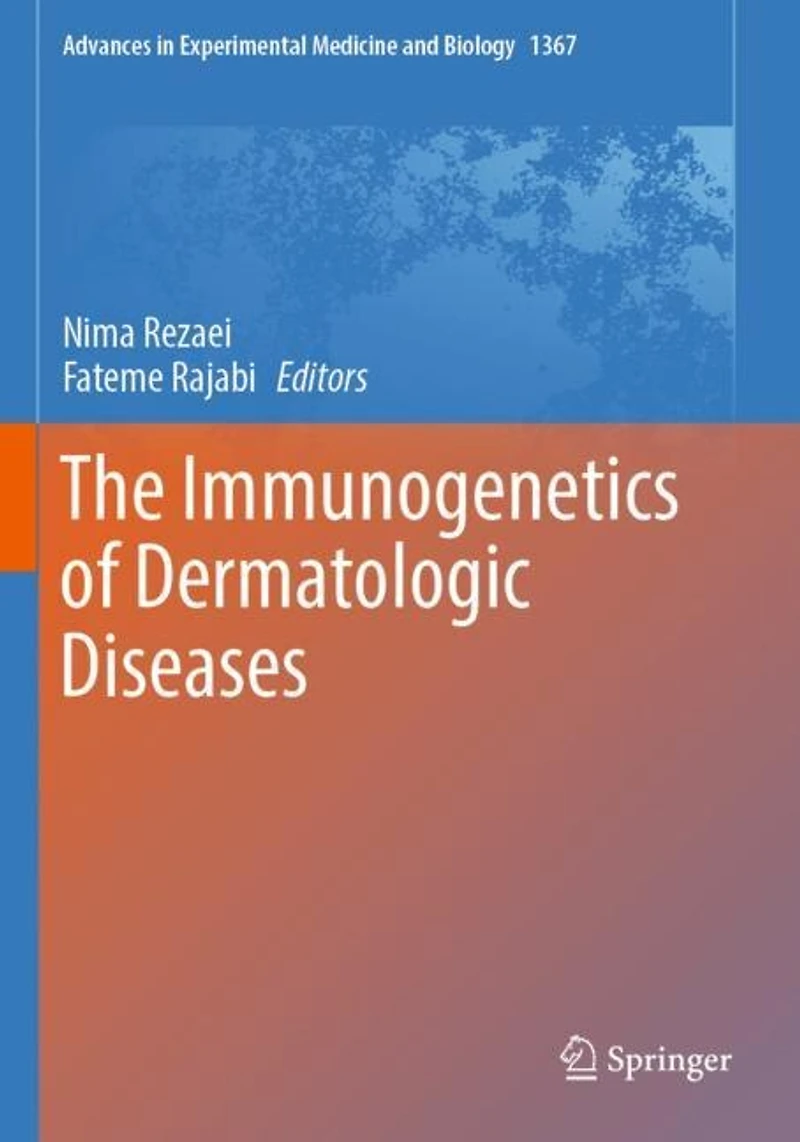
The Immunogenetics of Dermatologic Diseases in Ottawa, ON
Current price: $248.50

The Immunogenetics of Dermatologic Diseases in Ottawa, ON
Current price: $248.50
Loading Inventory...
Size: Paperback
*Product information may vary - to confirm product availability, pricing, shipping and return information please contact Coles
This book intends to investigate the broad spectrum of genetic changes in immunological processes involved in cutaneous diseases. One of the main goals of immunogenetic studies is finding susceptibility genes for complex diseases. This can provide an insight into the pathogenesis of the condition in a way that is not easily achievable through other kinds of studies. Thus they are a rational initial step for generating hypotheses about disease pathogenesis. This may especially benefit dermatology, a field notorious for having too many diseases with unknown etiologies.
Immunogenetic investigations have made targeted treatment strategies possible for diseases such as psoriasis and pemphigus. Even though these strategies have revolutionized the management of chronic dermatological conditions such as psoriasis, still there are a lot of unanswered questions. For instance, psoriasis patients respond very differently to each of the commercially available biological agents. This diversity could be partially explained by the differences in the sets of genes responsible for disease induction in each individual. Thus whole genome sequencing strategies, if feasible at individual levels, might help in tailoring these targeted treatments based on specific genetic backgrounds.
Our intention in preparing this book was to explore the broad spectrum of the genetic aspects of immunological processes involved in cutaneous diseases. We have tried to cover most areas of dermatology where enough studies were available to gather a chapter. Still, there is a substantial lack of knowledge on the immunogenetics of many dermatological conditions. We hope that this book would encourage the investigators to fill these gaps of knowledge.
This book intends to investigate the broad spectrum of genetic changes in immunological processes involved in cutaneous diseases. One of the main goals of immunogenetic studies is finding susceptibility genes for complex diseases. This can provide an insight into the pathogenesis of the condition in a way that is not easily achievable through other kinds of studies. Thus they are a rational initial step for generating hypotheses about disease pathogenesis. This may especially benefit dermatology, a field notorious for having too many diseases with unknown etiologies.
Immunogenetic investigations have made targeted treatment strategies possible for diseases such as psoriasis and pemphigus. Even though these strategies have revolutionized the management of chronic dermatological conditions such as psoriasis, still there are a lot of unanswered questions. For instance, psoriasis patients respond very differently to each of the commercially available biological agents. This diversity could be partially explained by the differences in the sets of genes responsible for disease induction in each individual. Thus whole genome sequencing strategies, if feasible at individual levels, might help in tailoring these targeted treatments based on specific genetic backgrounds.
Our intention in preparing this book was to explore the broad spectrum of the genetic aspects of immunological processes involved in cutaneous diseases. We have tried to cover most areas of dermatology where enough studies were available to gather a chapter. Still, there is a substantial lack of knowledge on the immunogenetics of many dermatological conditions. We hope that this book would encourage the investigators to fill these gaps of knowledge.
You May Also Like










More About Coles at Bayshore Shopping Centre
Coles is renowned for its outstanding customer service and great selection of books. Along with the vast array of magazines, stationary, audio-books, children's literature, fiction, non-fiction and reference books, you can find accessories to make your reading experience more pleasurable. We can recommend the very best in reading today. We will help you search our titles for exactly what you need, and if we do not have it in stock, we will order it for you.
100 Bayshore Dr, Nepean, ON K2B 8C1, Canada
Find Coles at Bayshore Shopping Centre in Ottawa, ON
Visit Coles at Bayshore Shopping Centre in Ottawa, ON