

Give the Gift of Choice!
Too many options? Treat your friends and family to their favourite stores with a Bayshore Shopping Centre gift card, redeemable at participating retailers throughout the centre. Click below to purchase yours today!Purchase HereHome
The Incredible Low-Fat Cookbook: 100 super-easy recipes to prepare at home to enrich your low-fat recipe with goodness
Coles
Loading Inventory...
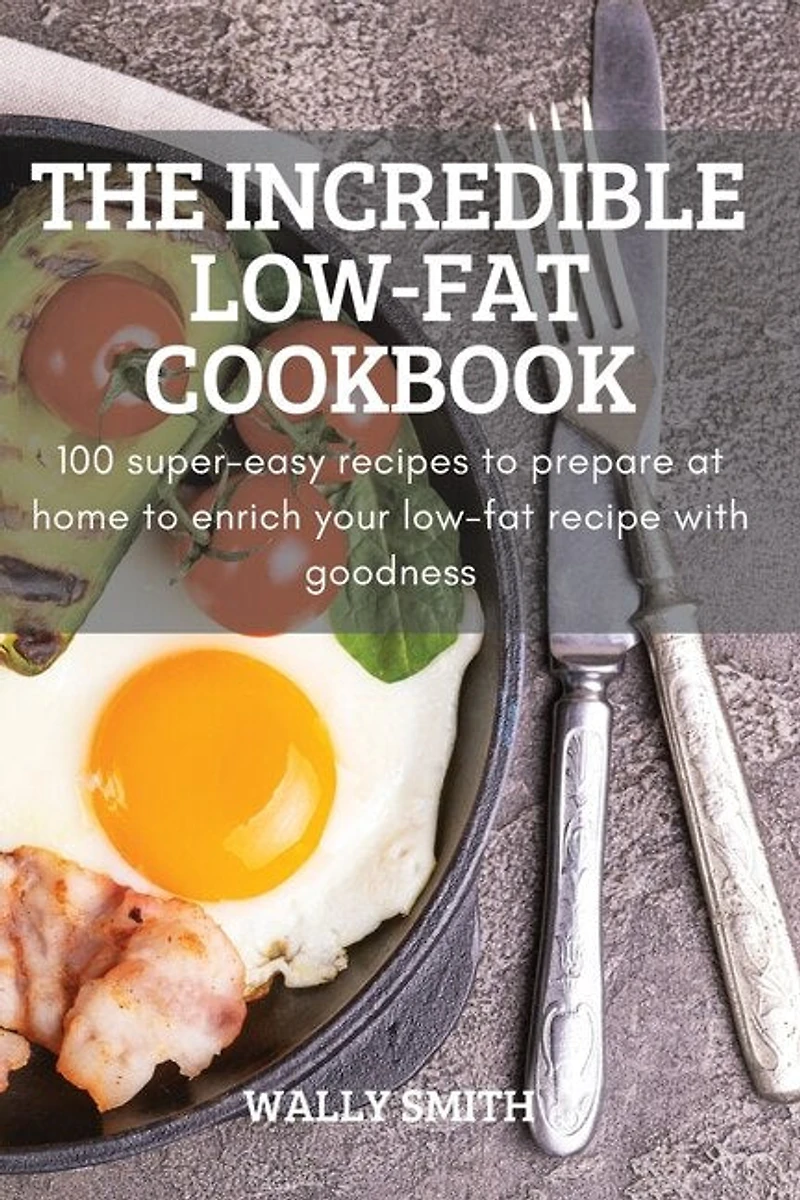
The Incredible Low-Fat Cookbook: 100 super-easy recipes to prepare at home to enrich your low-fat recipe with goodness in Ottawa, ON
Current price: $57.99

The Incredible Low-Fat Cookbook: 100 super-easy recipes to prepare at home to enrich your low-fat recipe with goodness in Ottawa, ON
Current price: $57.99
Loading Inventory...
Size: Paperback
*Product information may vary - to confirm product availability, pricing, shipping and return information please contact Coles
A low-fat diet is one that restricts fat, and often saturated fat and cholesterol as well. Low-fat diets are intended to reduce the occurrence of conditions such as heart disease and obesity. For weight loss, they perform similarly to a low-carbohydrate diet, since macronutrient composition does not determine weight loss success. Fat provides nine calories per gram while carbohydrates and protein each provide four calories per gram. The Institute of Medicine recommends limiting fat intake to 35% of total calories to control saturated fat intake.
Although fat is an essential part of a person's diet, there are "good fats" and "bad fats." Knowing the difference can help a person make informed choices about their meals.
If you're following a healthy, balanced diet, restricting your fat intake is generally unnecessary. However, under certain circumstances, limiting the fat in your diet may be beneficial.
For example, low-fat diets are recommended if you're recovering from gallbladder surgery or have gallbladder or pancreas disease. Low-fat diets may also prevent heartburn, cut weight and improve cholesterol.
A low-fat diet is one that restricts fat, and often saturated fat and cholesterol as well. Low-fat diets are intended to reduce the occurrence of conditions such as heart disease and obesity. For weight loss, they perform similarly to a low-carbohydrate diet, since macronutrient composition does not determine weight loss success. Fat provides nine calories per gram while carbohydrates and protein each provide four calories per gram. The Institute of Medicine recommends limiting fat intake to 35% of total calories to control saturated fat intake.
Although fat is an essential part of a person's diet, there are "good fats" and "bad fats." Knowing the difference can help a person make informed choices about their meals.
If you're following a healthy, balanced diet, restricting your fat intake is generally unnecessary. However, under certain circumstances, limiting the fat in your diet may be beneficial.
For example, low-fat diets are recommended if you're recovering from gallbladder surgery or have gallbladder or pancreas disease. Low-fat diets may also prevent heartburn, cut weight and improve cholesterol.
You May Also Like







More About Coles at Bayshore Shopping Centre
Coles is renowned for its outstanding customer service and great selection of books. Along with the vast array of magazines, stationary, audio-books, children's literature, fiction, non-fiction and reference books, you can find accessories to make your reading experience more pleasurable. We can recommend the very best in reading today. We will help you search our titles for exactly what you need, and if we do not have it in stock, we will order it for you.
100 Bayshore Dr, Nepean, ON K2B 8C1, Canada
Find Coles at Bayshore Shopping Centre in Ottawa, ON
Visit Coles at Bayshore Shopping Centre in Ottawa, ON