

Give the Gift of Choice!
Too many options? Treat your friends and family to their favourite stores with a Bayshore Shopping Centre gift card, redeemable at participating retailers throughout the centre. Click below to purchase yours today!Purchase HereHome
the Innocence of Pontius Pilate: How Roman Trial Jesus Shaped History
Coles
Loading Inventory...
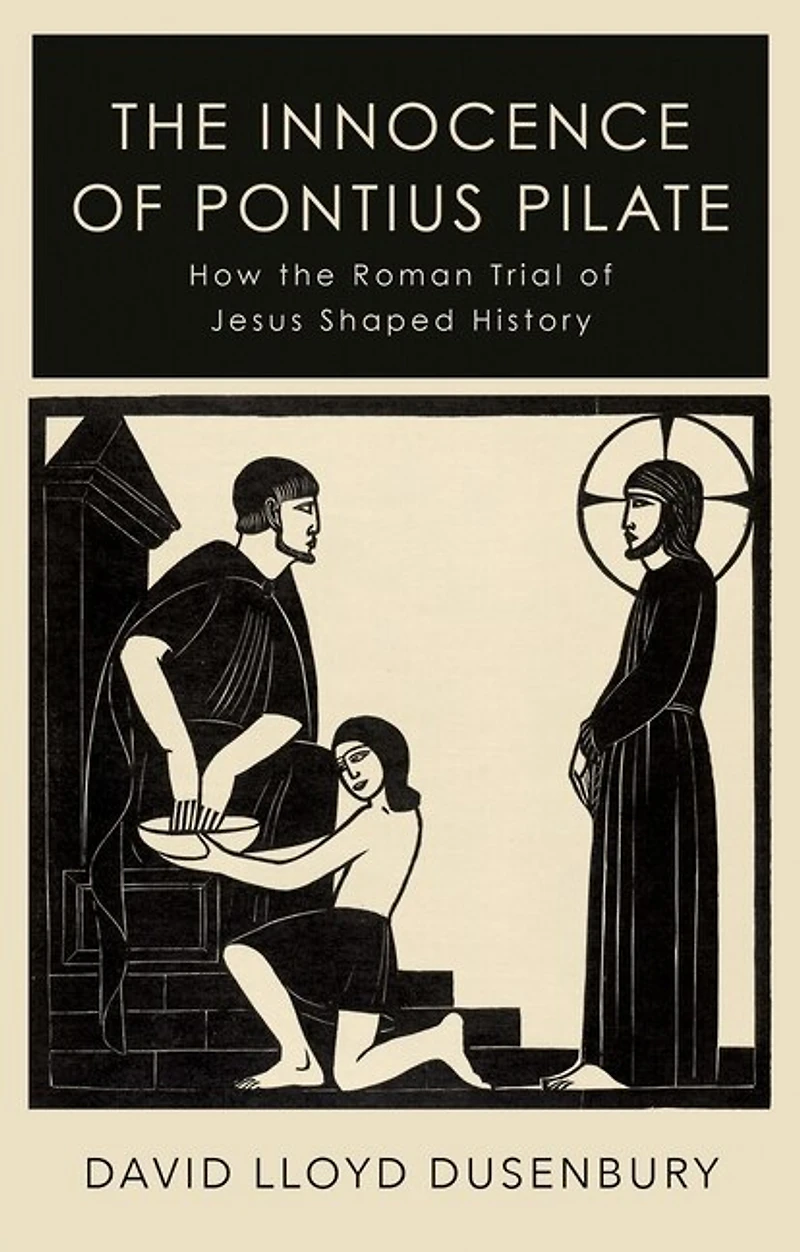
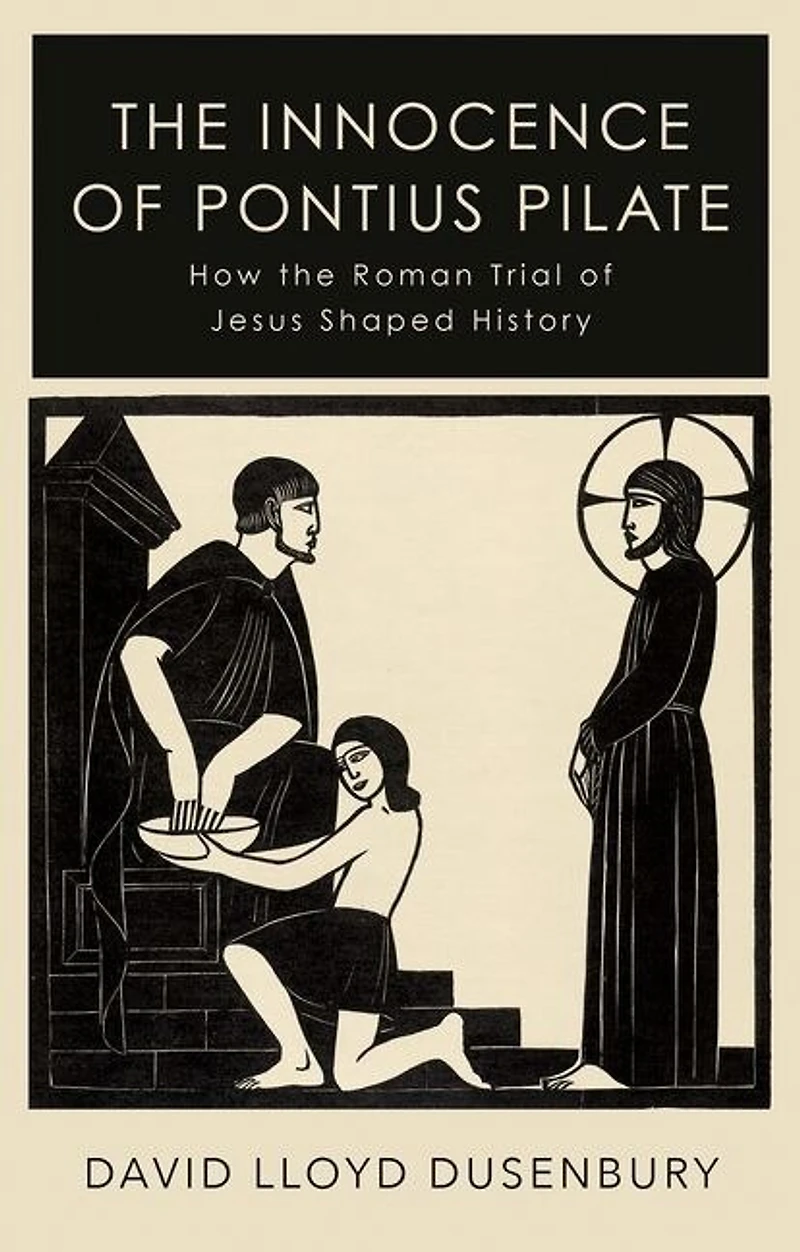
the Innocence of Pontius Pilate: How Roman Trial Jesus Shaped History in Ottawa, ON
Current price: $42.50

the Innocence of Pontius Pilate: How Roman Trial Jesus Shaped History in Ottawa, ON
Current price: $42.50
Loading Inventory...
Size: Hardcover
*Product information may vary - to confirm product availability, pricing, shipping and return information please contact Coles
The gospels and ancient historians agree: Jesus was sentenced to death by Pontius Pilate, the Roman imperial prefect in Jerusalem. To this day, Christians of all churches confess that Jesus died 'under Pontius Pilate'. But what exactly does that mean?
Within decades of Jesus' death, Christians began suggesting that it was the Judaean authorities who had crucified Jesus--a notion later echoed in the Qur'an. In the third century, one philosopher raised the notion that, although Pilate had condemned Jesus, he'd done so justly; this idea survives in one of the main strands of modern New Testament criticism. So what is the truth of the matter? And what is the history of that truth?
David Lloyd Dusenbury reveals Pilate's 'innocence' as not only a neglected theological question, but a recurring theme in the history of European political thought. He argues that Jesus' interrogation by Pilate, and Augustine of Hippo's North African sermon on that trial, led to the concept of secularity and the logic of tolerance emerging in early modern Europe. Without the Roman trial of Jesus, and the arguments over Pilate's innocence, the history of empire--from the first century to the twenty-first--would have been radically different.
The gospels and ancient historians agree: Jesus was sentenced to death by Pontius Pilate, the Roman imperial prefect in Jerusalem. To this day, Christians of all churches confess that Jesus died 'under Pontius Pilate'. But what exactly does that mean?
Within decades of Jesus' death, Christians began suggesting that it was the Judaean authorities who had crucified Jesus--a notion later echoed in the Qur'an. In the third century, one philosopher raised the notion that, although Pilate had condemned Jesus, he'd done so justly; this idea survives in one of the main strands of modern New Testament criticism. So what is the truth of the matter? And what is the history of that truth?
David Lloyd Dusenbury reveals Pilate's 'innocence' as not only a neglected theological question, but a recurring theme in the history of European political thought. He argues that Jesus' interrogation by Pilate, and Augustine of Hippo's North African sermon on that trial, led to the concept of secularity and the logic of tolerance emerging in early modern Europe. Without the Roman trial of Jesus, and the arguments over Pilate's innocence, the history of empire--from the first century to the twenty-first--would have been radically different.
You May Also Like











More About Coles at Bayshore Shopping Centre
Coles is renowned for its outstanding customer service and great selection of books. Along with the vast array of magazines, stationary, audio-books, children's literature, fiction, non-fiction and reference books, you can find accessories to make your reading experience more pleasurable. We can recommend the very best in reading today. We will help you search our titles for exactly what you need, and if we do not have it in stock, we will order it for you.
100 Bayshore Dr, Nepean, ON K2B 8C1, Canada
Find Coles at Bayshore Shopping Centre in Ottawa, ON
Visit Coles at Bayshore Shopping Centre in Ottawa, ON