

Give the Gift of Choice!
Too many options? Treat your friends and family to their favourite stores with a Bayshore Shopping Centre gift card, redeemable at participating retailers throughout the centre. Click below to purchase yours today!Purchase HereHome
the Interdependence of Convention on Rights Child: Understanding Relationship Right to Play with other
Coles
Loading Inventory...
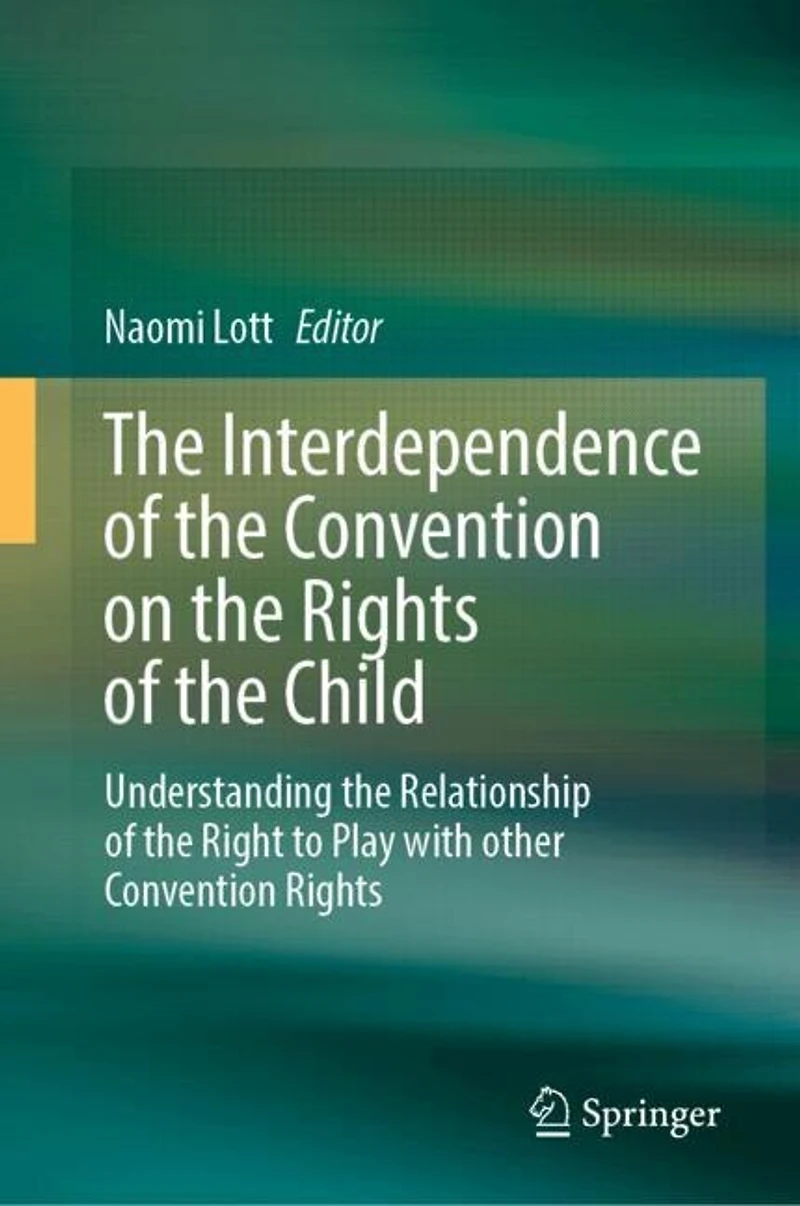
the Interdependence of Convention on Rights Child: Understanding Relationship Right to Play with other in Ottawa, ON
Current price: $204.50

the Interdependence of Convention on Rights Child: Understanding Relationship Right to Play with other in Ottawa, ON
Current price: $204.50
Loading Inventory...
Size: Hardcover
*Product information may vary - to confirm product availability, pricing, shipping and return information please contact Coles
The book critically engages with the right to play and other Convention rights to explore their interdependence and interconnectivity. The book brings together experts across various children&s rights topics and invites them to consider the intersections of their work with the child&s right to play. It furthers the understanding and implementation of the right to play as this novel area of research develops. The book demonstrates both the interdependence of the rights within the Convention, and the unique and critical role of the right to play in achieving the aims of the Convention and the rights therein. It also extends the theoretical, methodological and critical scope of the discipline by considering children&s rights in this interdependent manner. The contributions to this edited collection explore the role of the right to play in meeting obligations pertaining to the digital environment, identity rights, education, climate change and environmental health, refugees, girls& rights, social protection, healthcare and disability, and vice versa. By drawing together original and creative approaches to a number of pressing social questions and issues relating to human rights, this book has tangible application for developing both the content of the right to play and the potentials of this right for the wider child rights project. Furthermore, this book is pioneering in the field of children&s rights in two key ways. Not only does it serve to contribute to filling a significant gap in the literature on the right to play, but it also stands as a crucial example of interdisciplinary legal research. Such an approach is critical for the field of children&s rights due to the nature of childhood and the multidisciplinary relevance of children&s rights and children&s issues. This book thus serves as an example to push the field to be more contextual and interdisciplinary.
The book critically engages with the right to play and other Convention rights to explore their interdependence and interconnectivity. The book brings together experts across various children&s rights topics and invites them to consider the intersections of their work with the child&s right to play. It furthers the understanding and implementation of the right to play as this novel area of research develops. The book demonstrates both the interdependence of the rights within the Convention, and the unique and critical role of the right to play in achieving the aims of the Convention and the rights therein. It also extends the theoretical, methodological and critical scope of the discipline by considering children&s rights in this interdependent manner. The contributions to this edited collection explore the role of the right to play in meeting obligations pertaining to the digital environment, identity rights, education, climate change and environmental health, refugees, girls& rights, social protection, healthcare and disability, and vice versa. By drawing together original and creative approaches to a number of pressing social questions and issues relating to human rights, this book has tangible application for developing both the content of the right to play and the potentials of this right for the wider child rights project. Furthermore, this book is pioneering in the field of children&s rights in two key ways. Not only does it serve to contribute to filling a significant gap in the literature on the right to play, but it also stands as a crucial example of interdisciplinary legal research. Such an approach is critical for the field of children&s rights due to the nature of childhood and the multidisciplinary relevance of children&s rights and children&s issues. This book thus serves as an example to push the field to be more contextual and interdisciplinary.
You May Also Like







More About Coles at Bayshore Shopping Centre
Coles is renowned for its outstanding customer service and great selection of books. Along with the vast array of magazines, stationary, audio-books, children's literature, fiction, non-fiction and reference books, you can find accessories to make your reading experience more pleasurable. We can recommend the very best in reading today. We will help you search our titles for exactly what you need, and if we do not have it in stock, we will order it for you.
100 Bayshore Dr, Nepean, ON K2B 8C1, Canada
Find Coles at Bayshore Shopping Centre in Ottawa, ON
Visit Coles at Bayshore Shopping Centre in Ottawa, ON