

Give the Gift of Choice!
Too many options? Treat your friends and family to their favourite stores with a Bayshore Shopping Centre gift card, redeemable at participating retailers throughout the centre. Click below to purchase yours today!Purchase HereHome
The Invention of China in Early Modern England: Spelling the Dragon
Coles
Loading Inventory...
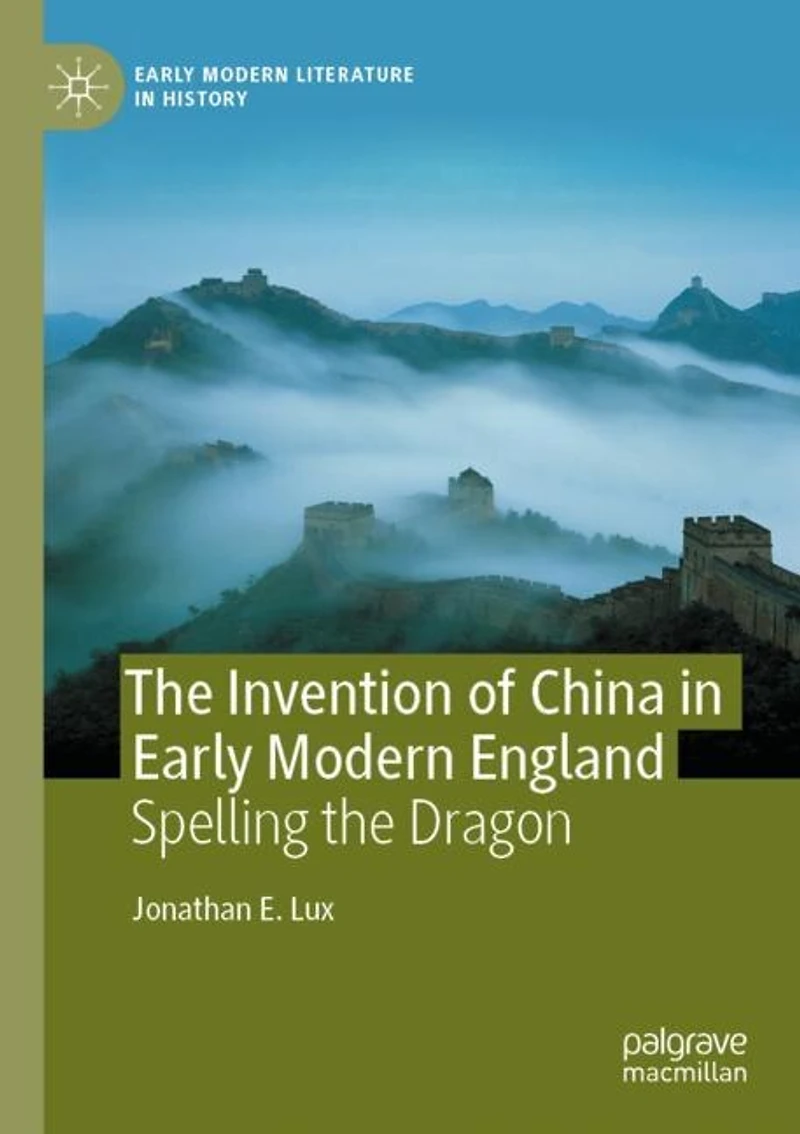
The Invention of China in Early Modern England: Spelling the Dragon in Ottawa, ON
Current price: $175.50

The Invention of China in Early Modern England: Spelling the Dragon in Ottawa, ON
Current price: $175.50
Loading Inventory...
Size: Paperback
*Product information may vary - to confirm product availability, pricing, shipping and return information please contact Coles
The Invention of China in Early Modern England describes how several different English communities became aware of China. It begins by describing how early modern intellectuals used the utopian ideal of China to license all kinds of progressive innovation before chronicling how England's growing commerce in southeast Asia radically changed China's representation in the English discourse community. For the new community of English merchants proposing to trade in Chinese goods, China became the seminal example in the growing discourse community of English Orientalism. It was an absolute or arbitrary authoritarian state, associated with crooked business dealings, and cloaked in a rhetoric of secrecy and exclusion-a dangerous exception to the traditions, values, and identities of the emergent English speaking states. Finally, the book points out some of the ways that contemporary English language sources continue to represent this early modern English thought tradition, labelling the complexities of modern China with analytical vocabulary perhaps better suited to the pressing political anxieties of the seventeenth century.
The Invention of China in Early Modern England describes how several different English communities became aware of China. It begins by describing how early modern intellectuals used the utopian ideal of China to license all kinds of progressive innovation before chronicling how England's growing commerce in southeast Asia radically changed China's representation in the English discourse community. For the new community of English merchants proposing to trade in Chinese goods, China became the seminal example in the growing discourse community of English Orientalism. It was an absolute or arbitrary authoritarian state, associated with crooked business dealings, and cloaked in a rhetoric of secrecy and exclusion-a dangerous exception to the traditions, values, and identities of the emergent English speaking states. Finally, the book points out some of the ways that contemporary English language sources continue to represent this early modern English thought tradition, labelling the complexities of modern China with analytical vocabulary perhaps better suited to the pressing political anxieties of the seventeenth century.
You May Also Like








More About Coles at Bayshore Shopping Centre
Coles is renowned for its outstanding customer service and great selection of books. Along with the vast array of magazines, stationary, audio-books, children's literature, fiction, non-fiction and reference books, you can find accessories to make your reading experience more pleasurable. We can recommend the very best in reading today. We will help you search our titles for exactly what you need, and if we do not have it in stock, we will order it for you.
100 Bayshore Dr, Nepean, ON K2B 8C1, Canada
Find Coles at Bayshore Shopping Centre in Ottawa, ON
Visit Coles at Bayshore Shopping Centre in Ottawa, ON