

Give the Gift of Choice!
Too many options? Treat your friends and family to their favourite stores with a Bayshore Shopping Centre gift card, redeemable at participating retailers throughout the centre. Click below to purchase yours today!Purchase HereHome
the Jumanos: Hunters and Traders of South Plains
Coles
Loading Inventory...
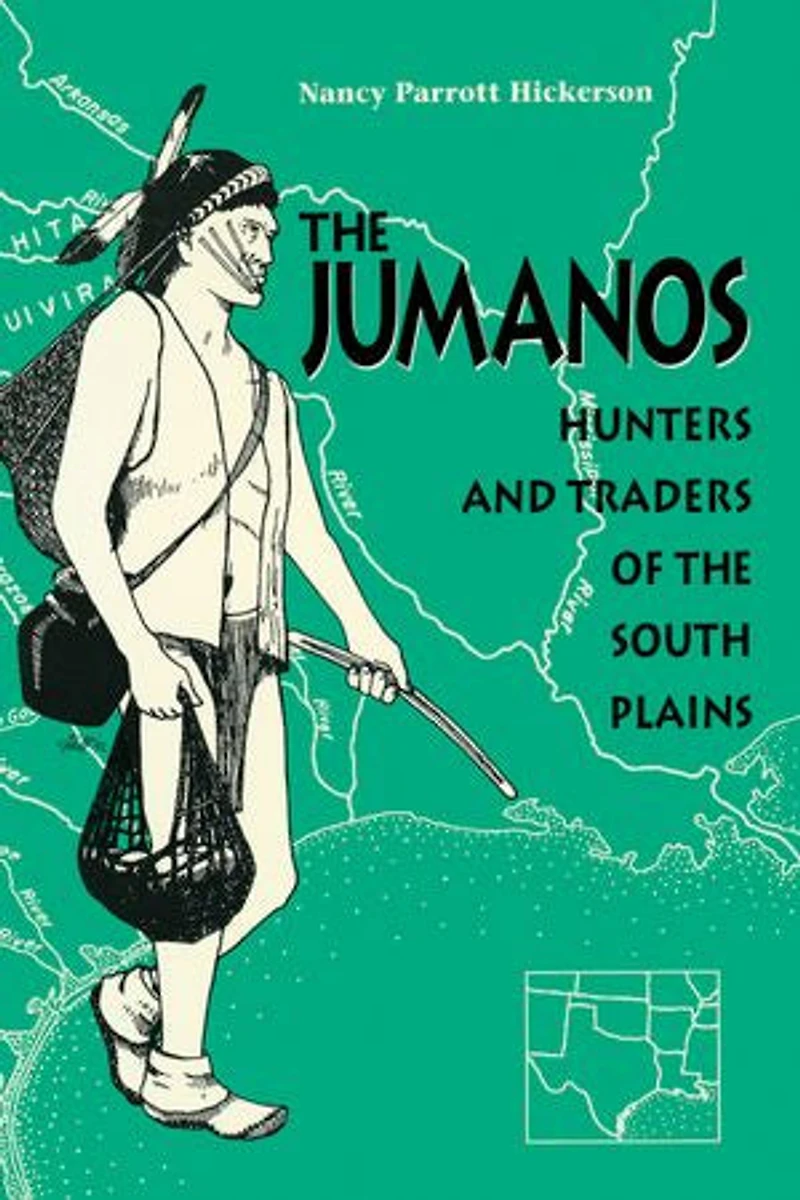
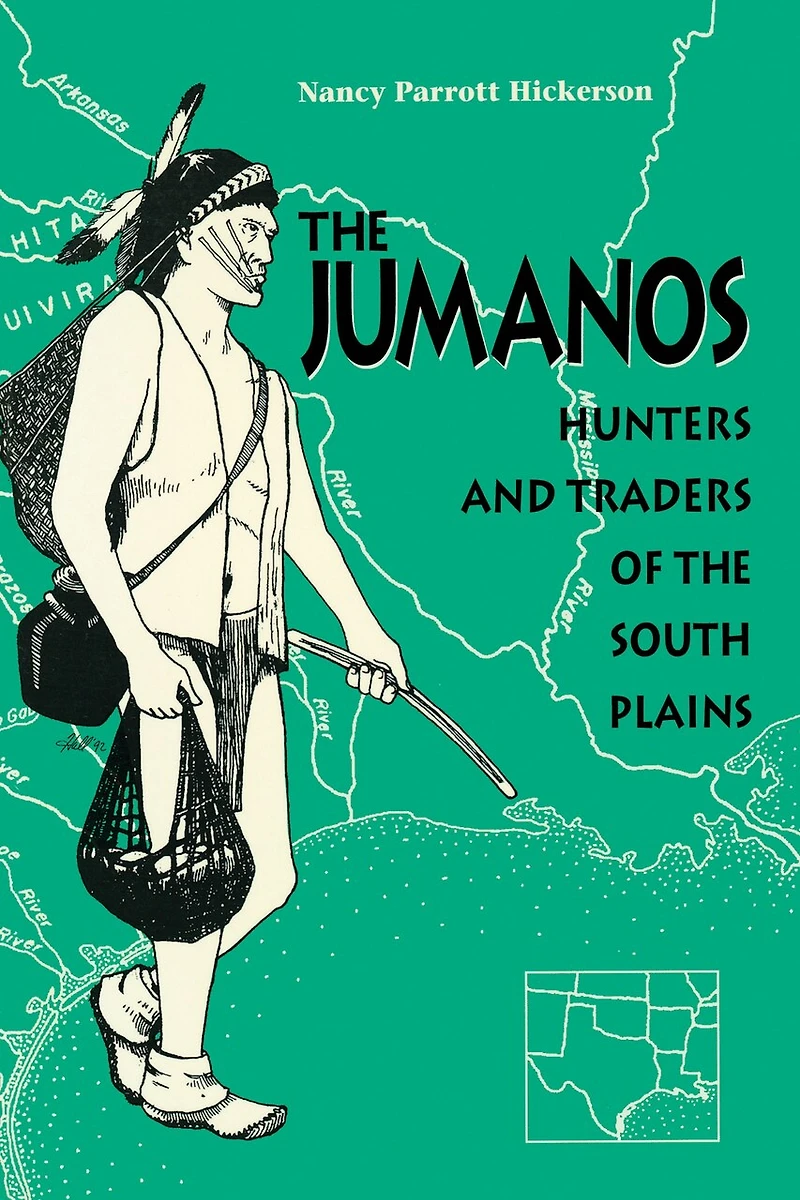
the Jumanos: Hunters and Traders of South Plains in Ottawa, ON
Current price: $29.59
Original price: $36.95

the Jumanos: Hunters and Traders of South Plains in Ottawa, ON
Current price: $29.59
Original price: $36.95
Loading Inventory...
Size: Kobo eBook
*Product information may vary - to confirm product availability, pricing, shipping and return information please contact Coles
In the late sixteenth century, Spanish explorers described encounters with North American people they called "Jumanos." Although widespread contact with Jumanos is evident in accounts of exploration and colonization in New Mexico, Texas, and adjacent regions, their scattered distribution and scant documentation have led to long-standing disagreements: was "Jumano" simply a generic name loosely applied to a number of tribes, or were they an authentic, vanished people? In the first full-length study of the Jumanos, anthropologist Nancy Hickerson proposes that they were indeed a distinctive tribe, their wide travel pattern linked over well-established itineraries. Drawing on extensive primary sources, Hickerson also explores their crucial role as traders in a network extending from the Rio Grande to the Caddoan tribes' confederacies of East Texas and Oklahoma. Hickerson further concludes that the Jumanos eventually became agents for the Spanish colonies, drafted as mercenary fighters and intelligence-gatherers. Her findings reinterpret the cultural history of the South Plains region, bridging numerous gaps in the area's comprehensive history and in the chronicle of these elusive people.
In the late sixteenth century, Spanish explorers described encounters with North American people they called "Jumanos." Although widespread contact with Jumanos is evident in accounts of exploration and colonization in New Mexico, Texas, and adjacent regions, their scattered distribution and scant documentation have led to long-standing disagreements: was "Jumano" simply a generic name loosely applied to a number of tribes, or were they an authentic, vanished people? In the first full-length study of the Jumanos, anthropologist Nancy Hickerson proposes that they were indeed a distinctive tribe, their wide travel pattern linked over well-established itineraries. Drawing on extensive primary sources, Hickerson also explores their crucial role as traders in a network extending from the Rio Grande to the Caddoan tribes' confederacies of East Texas and Oklahoma. Hickerson further concludes that the Jumanos eventually became agents for the Spanish colonies, drafted as mercenary fighters and intelligence-gatherers. Her findings reinterpret the cultural history of the South Plains region, bridging numerous gaps in the area's comprehensive history and in the chronicle of these elusive people.
You May Also Like









More About Coles at Bayshore Shopping Centre
Coles is renowned for its outstanding customer service and great selection of books. Along with the vast array of magazines, stationary, audio-books, children's literature, fiction, non-fiction and reference books, you can find accessories to make your reading experience more pleasurable. We can recommend the very best in reading today. We will help you search our titles for exactly what you need, and if we do not have it in stock, we will order it for you.
100 Bayshore Dr, Nepean, ON K2B 8C1, Canada
Find Coles at Bayshore Shopping Centre in Ottawa, ON
Visit Coles at Bayshore Shopping Centre in Ottawa, ON