

Give the Gift of Choice!
Too many options? Treat your friends and family to their favourite stores with a Bayshore Shopping Centre gift card, redeemable at participating retailers throughout the centre. Click below to purchase yours today!Purchase HereHome
The Kyoto School: An Introduction
Coles
Loading Inventory...
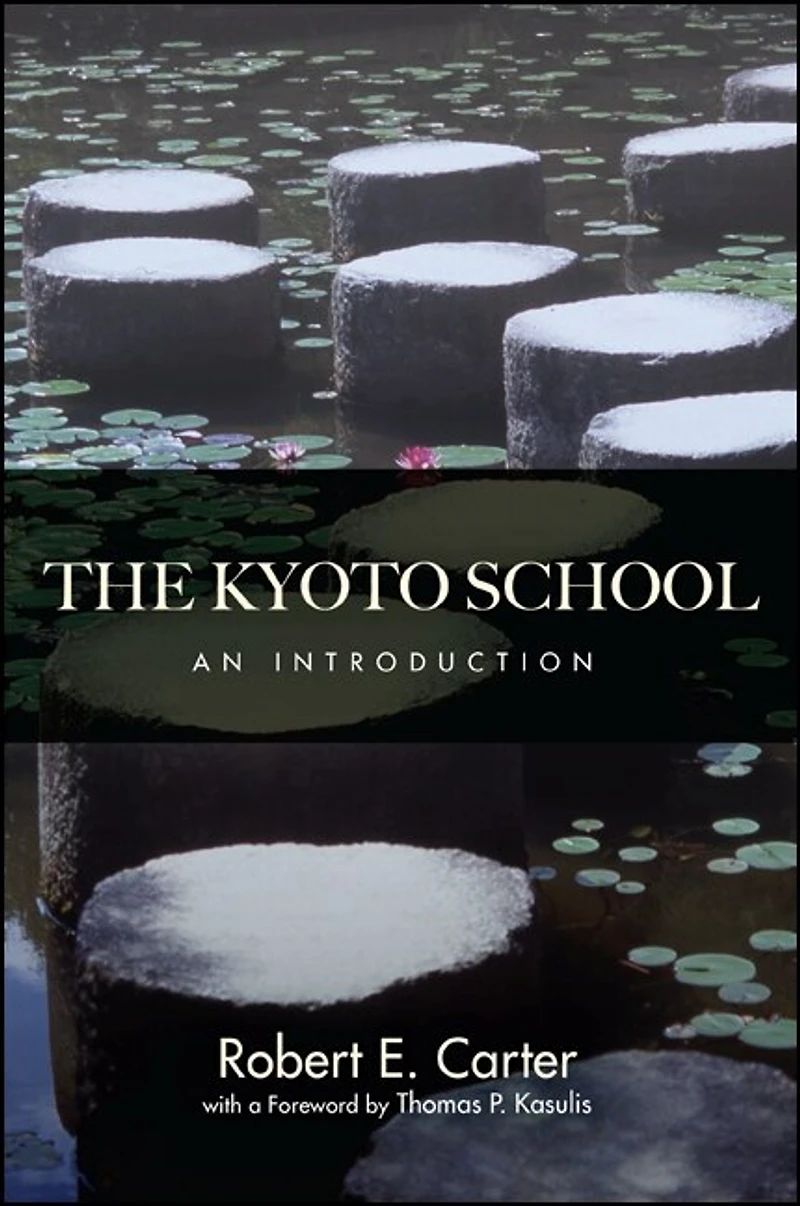
The Kyoto School: An Introduction in Ottawa, ON
Current price: $135.95

The Kyoto School: An Introduction in Ottawa, ON
Current price: $135.95
Loading Inventory...
Size: Hardcover
*Product information may vary - to confirm product availability, pricing, shipping and return information please contact Coles
An accessible discussion of the thought of key figures of the Kyoto School of Japanese philosophy.
This book provides a much-needed introduction to the Kyoto School of Japanese philosophy. Robert E. Carter focuses on four influential Japanese philosophers: the three most important members of the Kyoto School (Nishida Kitar?, Tanabe Hajime, and Nishitani Keiji), and a fourth (Watsuji Tetsur?), who was, at most, an associate member of the school. Each of these thinkers wrestled systematically with the Eastern idea of "nothingness," albeit from very different perspectives.
Many Western scholars, students, and serious general readers are intrigued by this school of thought, which reflects Japan's engagement with the West. A number of works by various thinkers associated with the Kyoto School are now available in English, but these works are often difficult to grasp for those not already well-versed in the philosophical and historical context. Carter's book provides an accessible yet substantive introduction to the school and offers an East-West dialogue that enriches our understanding of Japanese thought while also shedding light on our own assumptions, habits of thought, and prejudices.
An accessible discussion of the thought of key figures of the Kyoto School of Japanese philosophy.
This book provides a much-needed introduction to the Kyoto School of Japanese philosophy. Robert E. Carter focuses on four influential Japanese philosophers: the three most important members of the Kyoto School (Nishida Kitar?, Tanabe Hajime, and Nishitani Keiji), and a fourth (Watsuji Tetsur?), who was, at most, an associate member of the school. Each of these thinkers wrestled systematically with the Eastern idea of "nothingness," albeit from very different perspectives.
Many Western scholars, students, and serious general readers are intrigued by this school of thought, which reflects Japan's engagement with the West. A number of works by various thinkers associated with the Kyoto School are now available in English, but these works are often difficult to grasp for those not already well-versed in the philosophical and historical context. Carter's book provides an accessible yet substantive introduction to the school and offers an East-West dialogue that enriches our understanding of Japanese thought while also shedding light on our own assumptions, habits of thought, and prejudices.
You May Also Like










More About Coles at Bayshore Shopping Centre
Coles is renowned for its outstanding customer service and great selection of books. Along with the vast array of magazines, stationary, audio-books, children's literature, fiction, non-fiction and reference books, you can find accessories to make your reading experience more pleasurable. We can recommend the very best in reading today. We will help you search our titles for exactly what you need, and if we do not have it in stock, we will order it for you.
100 Bayshore Dr, Nepean, ON K2B 8C1, Canada
Find Coles at Bayshore Shopping Centre in Ottawa, ON
Visit Coles at Bayshore Shopping Centre in Ottawa, ON