

Give the Gift of Choice!
Too many options? Treat your friends and family to their favourite stores with a Bayshore Shopping Centre gift card, redeemable at participating retailers throughout the centre. Click below to purchase yours today!Purchase HereHome
The Lives and Opinions of Eminent Philosophers
Coles
Loading Inventory...
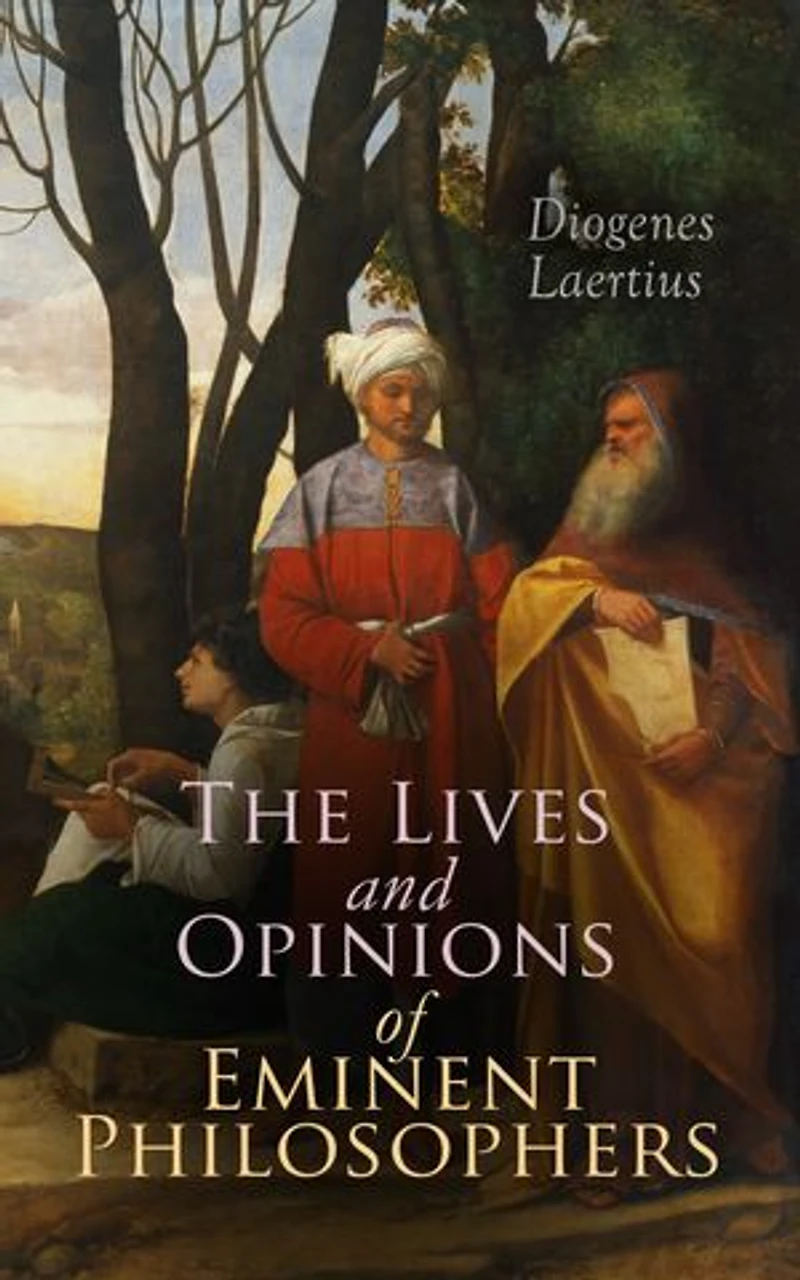
The Lives and Opinions of Eminent Philosophers in Ottawa, ON
Current price: $1.99

The Lives and Opinions of Eminent Philosophers in Ottawa, ON
Current price: $1.99
Loading Inventory...
Size: Kobo eBook
*Product information may vary - to confirm product availability, pricing, shipping and return information please contact Coles
Lives and Opinions of Eminent Philosophers is a biography of the Greek philosophers by Diogenes Laërtius, written in Greek, probably in the first half of the third century AD. The book professes to give an account of the lives and sayings of the Greek philosophers. Laërtius treats his subject in two divisions which he describes as the Ionian and the Italian schools. The biographies of the former begin with Anaximander, and end with Clitomachus, Theophrastus and Chrysippus; the latter begins with Pythagoras, and ends with Epicurus. The Socratic school, with its various branches, is classed with the Ionic; while the Eleatics and sceptics are treated under the Italic. He also includes his own poetic verse, albeit pedestrian, about the philosophers he discusses.
Lives and Opinions of Eminent Philosophers is a biography of the Greek philosophers by Diogenes Laërtius, written in Greek, probably in the first half of the third century AD. The book professes to give an account of the lives and sayings of the Greek philosophers. Laërtius treats his subject in two divisions which he describes as the Ionian and the Italian schools. The biographies of the former begin with Anaximander, and end with Clitomachus, Theophrastus and Chrysippus; the latter begins with Pythagoras, and ends with Epicurus. The Socratic school, with its various branches, is classed with the Ionic; while the Eleatics and sceptics are treated under the Italic. He also includes his own poetic verse, albeit pedestrian, about the philosophers he discusses.
You May Also Like











More About Coles at Bayshore Shopping Centre
Coles is renowned for its outstanding customer service and great selection of books. Along with the vast array of magazines, stationary, audio-books, children's literature, fiction, non-fiction and reference books, you can find accessories to make your reading experience more pleasurable. We can recommend the very best in reading today. We will help you search our titles for exactly what you need, and if we do not have it in stock, we will order it for you.
100 Bayshore Dr, Nepean, ON K2B 8C1, Canada
Find Coles at Bayshore Shopping Centre in Ottawa, ON
Visit Coles at Bayshore Shopping Centre in Ottawa, ON