

Give the Gift of Choice!
Too many options? Treat your friends and family to their favourite stores with a Bayshore Shopping Centre gift card, redeemable at participating retailers throughout the centre. Click below to purchase yours today!Purchase HereHome
the Long Game on Silk Road: US and EU Strategy for Central Asia Caucasus
Coles
Loading Inventory...
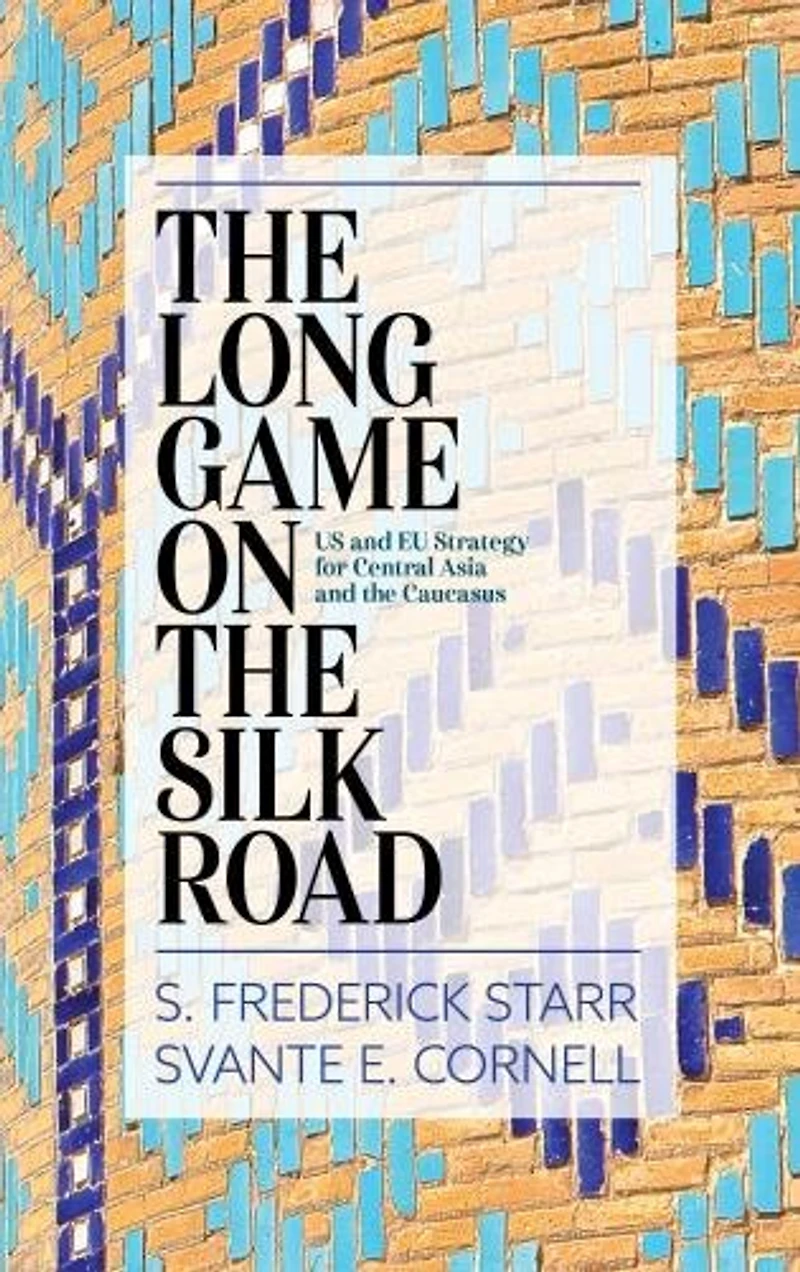
the Long Game on Silk Road: US and EU Strategy for Central Asia Caucasus in Ottawa, ON
Current price: $131.50

the Long Game on Silk Road: US and EU Strategy for Central Asia Caucasus in Ottawa, ON
Current price: $131.50
Loading Inventory...
Size: Hardcover
*Product information may vary - to confirm product availability, pricing, shipping and return information please contact Coles
This book argues that American and European policies toward Central Asia and the Caucasus suffer from both conceptual and structural impediments. It traces the framework of Western policies to the 1975 Helsinki Final Act, which resulted in the stovepiping of relations into political, economic, and democracy categories - and in often uncoordinated or contradictory policies. While the authors embrace the goal of promoting human rights and democracy, they argue that the antagonistic methods adopted to advance this goal have proven counter-productive. They propose that Western governments work with the regional states rather than on or against them; and that instead of focusing directly on political systems, policies should focus on developing the quality of governance and help build institutions that will be building blocks of rule of law and democracy in the long term. The authors also argue that Western leaders have largely failed to grasp the significance of this region, relegated it to a subordinate status and thus damaging western interests. The development of sovereign, economically strong, and effectively self-governing states in the Caucasus and Central Asia is an important goal in its own right; the book stresses the importance of a region where the development and preservation of secular statehood could become a model for the entire Muslim world.
This book argues that American and European policies toward Central Asia and the Caucasus suffer from both conceptual and structural impediments. It traces the framework of Western policies to the 1975 Helsinki Final Act, which resulted in the stovepiping of relations into political, economic, and democracy categories - and in often uncoordinated or contradictory policies. While the authors embrace the goal of promoting human rights and democracy, they argue that the antagonistic methods adopted to advance this goal have proven counter-productive. They propose that Western governments work with the regional states rather than on or against them; and that instead of focusing directly on political systems, policies should focus on developing the quality of governance and help build institutions that will be building blocks of rule of law and democracy in the long term. The authors also argue that Western leaders have largely failed to grasp the significance of this region, relegated it to a subordinate status and thus damaging western interests. The development of sovereign, economically strong, and effectively self-governing states in the Caucasus and Central Asia is an important goal in its own right; the book stresses the importance of a region where the development and preservation of secular statehood could become a model for the entire Muslim world.
You May Also Like
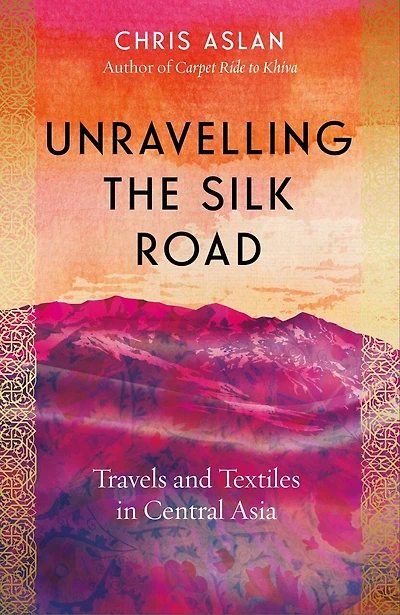
![All the Russias [microform]; Travels and Studies in Contemporary European Russia, Finland, Siberia, the Caucasus, and Central Asia; Norman, Henry,](https://cdn.mall.adeptmind.ai/https%253A%252F%252Fcdn.shopify.com%252Fs%252Ffiles%252F1%252F0655%252F8980%252F5233%252Ffiles%252F1_2fafc94f-861d-43de-a56c-f3a8e13b8662.jpg_medium.webp)







More About Coles at Bayshore Shopping Centre
Coles is renowned for its outstanding customer service and great selection of books. Along with the vast array of magazines, stationary, audio-books, children's literature, fiction, non-fiction and reference books, you can find accessories to make your reading experience more pleasurable. We can recommend the very best in reading today. We will help you search our titles for exactly what you need, and if we do not have it in stock, we will order it for you.
100 Bayshore Dr, Nepean, ON K2B 8C1, Canada
Find Coles at Bayshore Shopping Centre in Ottawa, ON
Visit Coles at Bayshore Shopping Centre in Ottawa, ON