

Give the Gift of Choice!
Too many options? Treat your friends and family to their favourite stores with a Bayshore Shopping Centre gift card, redeemable at participating retailers throughout the centre. Click below to purchase yours today!Purchase HereHome
The Magic of Brain Scans Understanding the Power of Imaging Techniques
Coles
Loading Inventory...
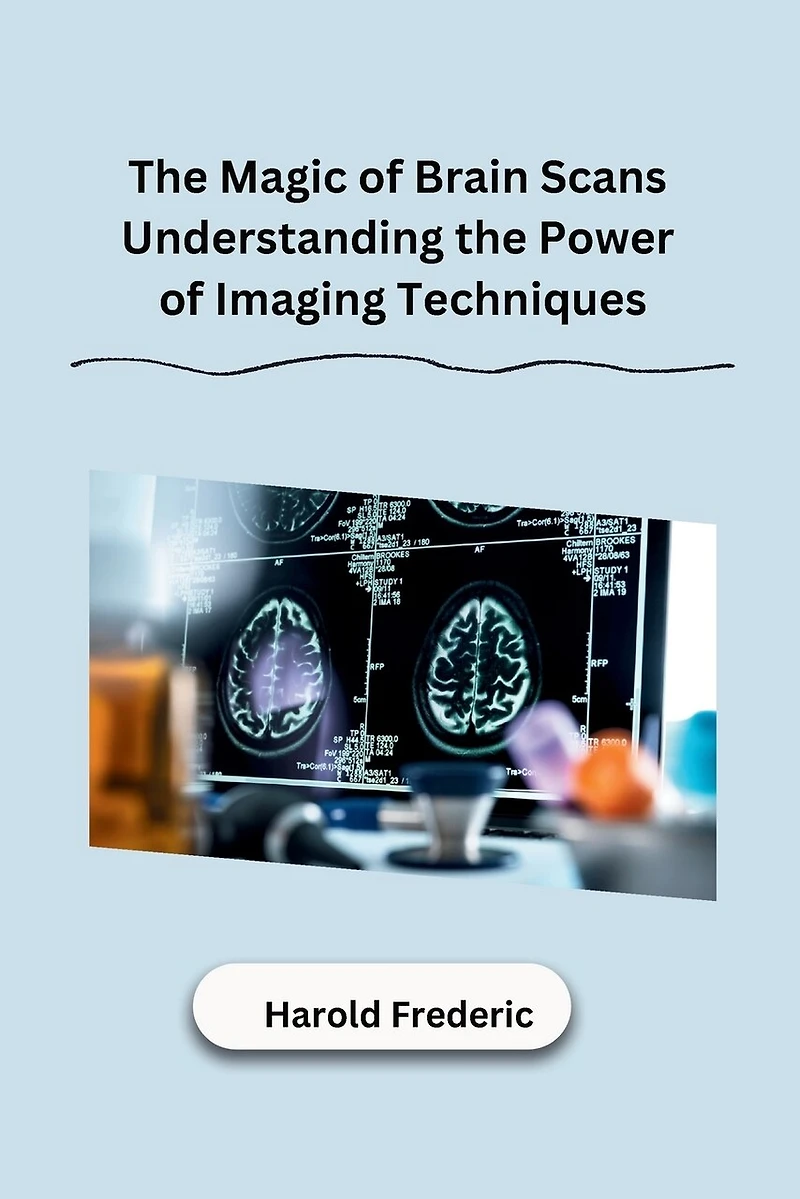
The Magic of Brain Scans Understanding the Power of Imaging Techniques in Ottawa, ON
Current price: $32.99

The Magic of Brain Scans Understanding the Power of Imaging Techniques in Ottawa, ON
Current price: $32.99
Loading Inventory...
Size: Paperback
*Product information may vary - to confirm product availability, pricing, shipping and return information please contact Coles
Overview of Brain ImagingBrain imaging is a powerful tool that has revolutionized our understanding of the human brain. This subchapter provides a comprehensive overview of brain imaging techniques, shedding light on how they work and the invaluable insights they offer.The human brain is a complex organ responsible for controlling our thoughts, emotions, and behaviors. Understanding its intricate workings has long been a challenge for scientists. However, advancements in brain imaging have opened up new avenues for unraveling the mysteries of the brain.There are several types of brain imaging techniques, each offering a unique perspective on the brain's structure and function. Magnetic Resonance Imaging (MRI) is one of the most commonly used techniques. It uses a powerful magnetic field and radio waves to create detailed images of the brain's anatomy. MRI provides high-resolution images that can help identify abnormalities, such as tumors or lesions, and aid in the diagnosis of various neurological conditions.Another widely used technique is Functional Magnetic Resonance Imaging (fMRI). Unlike MRI, fMRI focuses on brain activity rather than structure. It measures changes in blood flow and oxygenation to infer which regions of the brain are active during specific tasks or stimuli. This technique has been instrumental in mapping brain functions and understanding how different brain regions communicate and work together.Positron Emission Tomography (PET) is another important brain imaging technique. It involves injecting a small amount of a radioactive substance into the bloodstream, which is then detected by a scanner. PET scans provide information about brain metabolism and can be used to study various aspects of brain function, such as glucose consumption or neurotransmitter activity.In addition to these techniques, there are also others like Electroencephalography (EEG), which records electrical activity in the brain, and Magnetoencephalography (MEG), which measures magnetic fields generated by neural activity. These techniques provide valuable insights into the brain's electrical and magnetic signals, aiding in the diagnosis and treatment of conditions like epilepsy and sleep disorders. Brain imaging has revolutionized our understanding of the human brain, enabling scientists to study its structure and function in unprecedented detail. It has helped uncover new insights into neurological disorders, improve treatment strategies, and even enhance our understanding of cognitive processes such as perception, attention, and memory
Overview of Brain ImagingBrain imaging is a powerful tool that has revolutionized our understanding of the human brain. This subchapter provides a comprehensive overview of brain imaging techniques, shedding light on how they work and the invaluable insights they offer.The human brain is a complex organ responsible for controlling our thoughts, emotions, and behaviors. Understanding its intricate workings has long been a challenge for scientists. However, advancements in brain imaging have opened up new avenues for unraveling the mysteries of the brain.There are several types of brain imaging techniques, each offering a unique perspective on the brain's structure and function. Magnetic Resonance Imaging (MRI) is one of the most commonly used techniques. It uses a powerful magnetic field and radio waves to create detailed images of the brain's anatomy. MRI provides high-resolution images that can help identify abnormalities, such as tumors or lesions, and aid in the diagnosis of various neurological conditions.Another widely used technique is Functional Magnetic Resonance Imaging (fMRI). Unlike MRI, fMRI focuses on brain activity rather than structure. It measures changes in blood flow and oxygenation to infer which regions of the brain are active during specific tasks or stimuli. This technique has been instrumental in mapping brain functions and understanding how different brain regions communicate and work together.Positron Emission Tomography (PET) is another important brain imaging technique. It involves injecting a small amount of a radioactive substance into the bloodstream, which is then detected by a scanner. PET scans provide information about brain metabolism and can be used to study various aspects of brain function, such as glucose consumption or neurotransmitter activity.In addition to these techniques, there are also others like Electroencephalography (EEG), which records electrical activity in the brain, and Magnetoencephalography (MEG), which measures magnetic fields generated by neural activity. These techniques provide valuable insights into the brain's electrical and magnetic signals, aiding in the diagnosis and treatment of conditions like epilepsy and sleep disorders. Brain imaging has revolutionized our understanding of the human brain, enabling scientists to study its structure and function in unprecedented detail. It has helped uncover new insights into neurological disorders, improve treatment strategies, and even enhance our understanding of cognitive processes such as perception, attention, and memory
You May Also Like












More About Coles at Bayshore Shopping Centre
Coles is renowned for its outstanding customer service and great selection of books. Along with the vast array of magazines, stationary, audio-books, children's literature, fiction, non-fiction and reference books, you can find accessories to make your reading experience more pleasurable. We can recommend the very best in reading today. We will help you search our titles for exactly what you need, and if we do not have it in stock, we will order it for you.
100 Bayshore Dr, Nepean, ON K2B 8C1, Canada
Find Coles at Bayshore Shopping Centre in Ottawa, ON
Visit Coles at Bayshore Shopping Centre in Ottawa, ON