

Give the Gift of Choice!
Too many options? Treat your friends and family to their favourite stores with a Bayshore Shopping Centre gift card, redeemable at participating retailers throughout the centre. Click below to purchase yours today!Purchase HereHome
The Making of Brazilian Amazonian Societies: A Study Ethnographic and Spatial History
Coles
Loading Inventory...
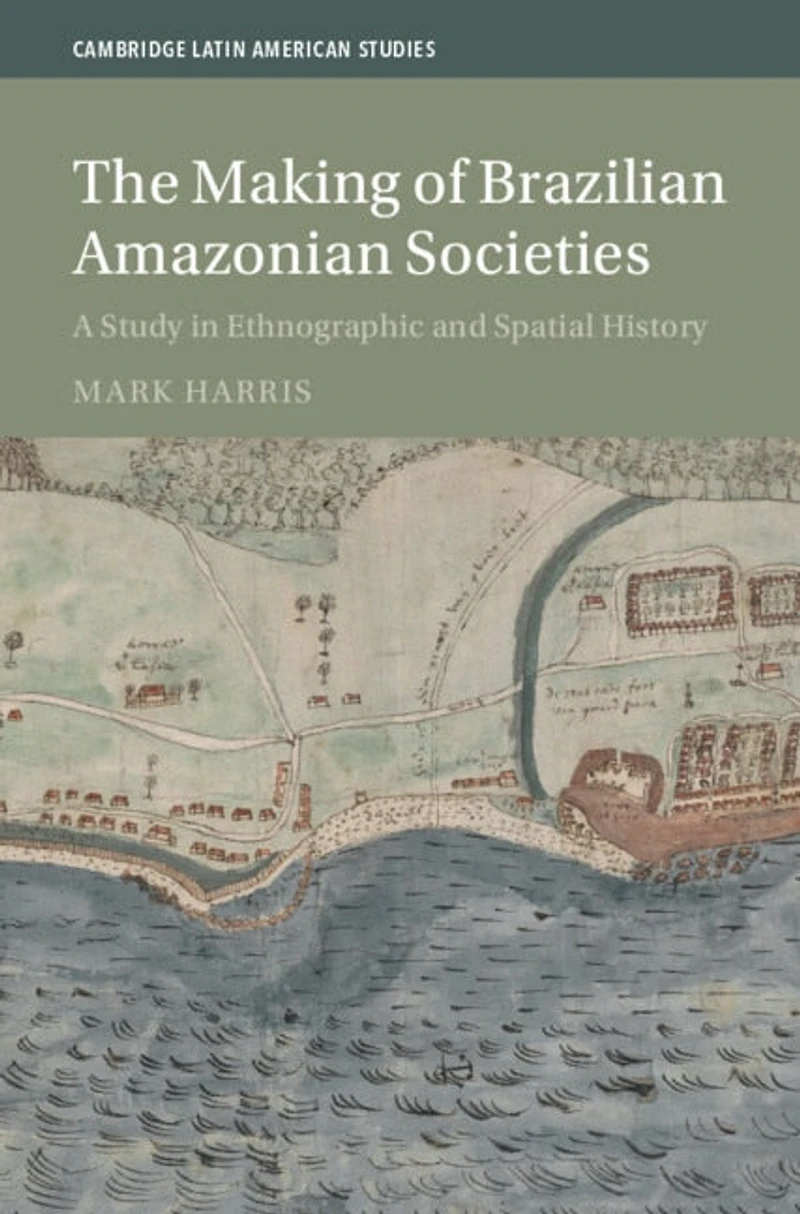
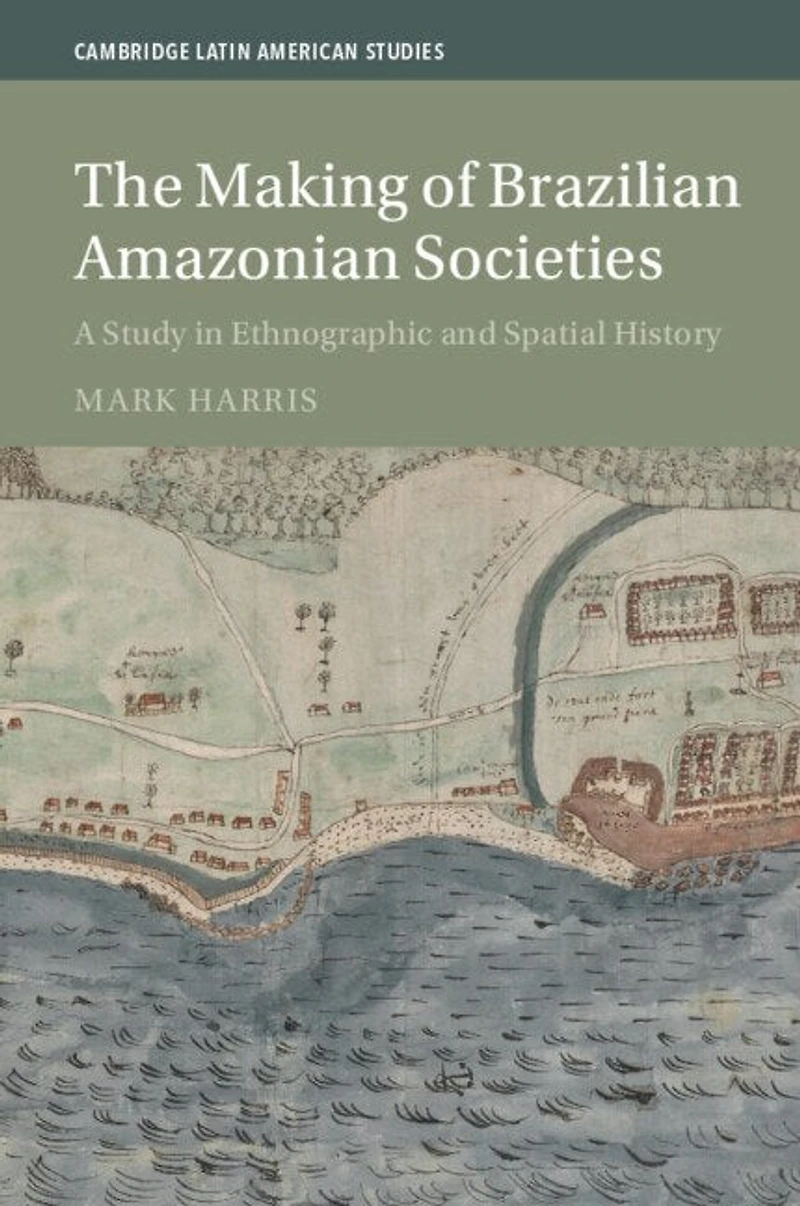
The Making of Brazilian Amazonian Societies: A Study Ethnographic and Spatial History in Ottawa, ON
Current price: $154.95

The Making of Brazilian Amazonian Societies: A Study Ethnographic and Spatial History in Ottawa, ON
Current price: $154.95
Loading Inventory...
Size: Hardcover
*Product information may vary - to confirm product availability, pricing, shipping and return information please contact Coles
Amazonia presents the contemporary scholar with myriad challenges. What does it consist of, and what are its limits? In this interdisciplinary book, Mark Harris examines the formation of Brazilian Amazonian societies in the seventeenth and eighteenth centuries, focusing predominantly on the Eastern Amazon, what is today the states of Pará and Amapá in Brazil. His aim is to demonstrate how the region emerged through the activities and movements of Indigenous societies with diverse languages, cultures, individuals of mixed heritage, and impoverished European and African people from various nations. Rarely are these approaches and people examined together, but this comprehensive history insightfully illustrates that the Brazilian Amazon consists of all these communities and their struggles and highlights the ways the Amazon has been defended through partnership and alliance across ethnic identities.
Amazonia presents the contemporary scholar with myriad challenges. What does it consist of, and what are its limits? In this interdisciplinary book, Mark Harris examines the formation of Brazilian Amazonian societies in the seventeenth and eighteenth centuries, focusing predominantly on the Eastern Amazon, what is today the states of Pará and Amapá in Brazil. His aim is to demonstrate how the region emerged through the activities and movements of Indigenous societies with diverse languages, cultures, individuals of mixed heritage, and impoverished European and African people from various nations. Rarely are these approaches and people examined together, but this comprehensive history insightfully illustrates that the Brazilian Amazon consists of all these communities and their struggles and highlights the ways the Amazon has been defended through partnership and alliance across ethnic identities.
You May Also Like








More About Coles at Bayshore Shopping Centre
Coles is renowned for its outstanding customer service and great selection of books. Along with the vast array of magazines, stationary, audio-books, children's literature, fiction, non-fiction and reference books, you can find accessories to make your reading experience more pleasurable. We can recommend the very best in reading today. We will help you search our titles for exactly what you need, and if we do not have it in stock, we will order it for you.
100 Bayshore Dr, Nepean, ON K2B 8C1, Canada
Find Coles at Bayshore Shopping Centre in Ottawa, ON
Visit Coles at Bayshore Shopping Centre in Ottawa, ON