

Give the Gift of Choice!
Too many options? Treat your friends and family to their favourite stores with a Bayshore Shopping Centre gift card, redeemable at participating retailers throughout the centre. Click below to purchase yours today!Purchase HereHome
The Merchant Ship in the British Atlantic, 1600–1800: Continuity and Innovation in a Key Technology
Coles
Loading Inventory...
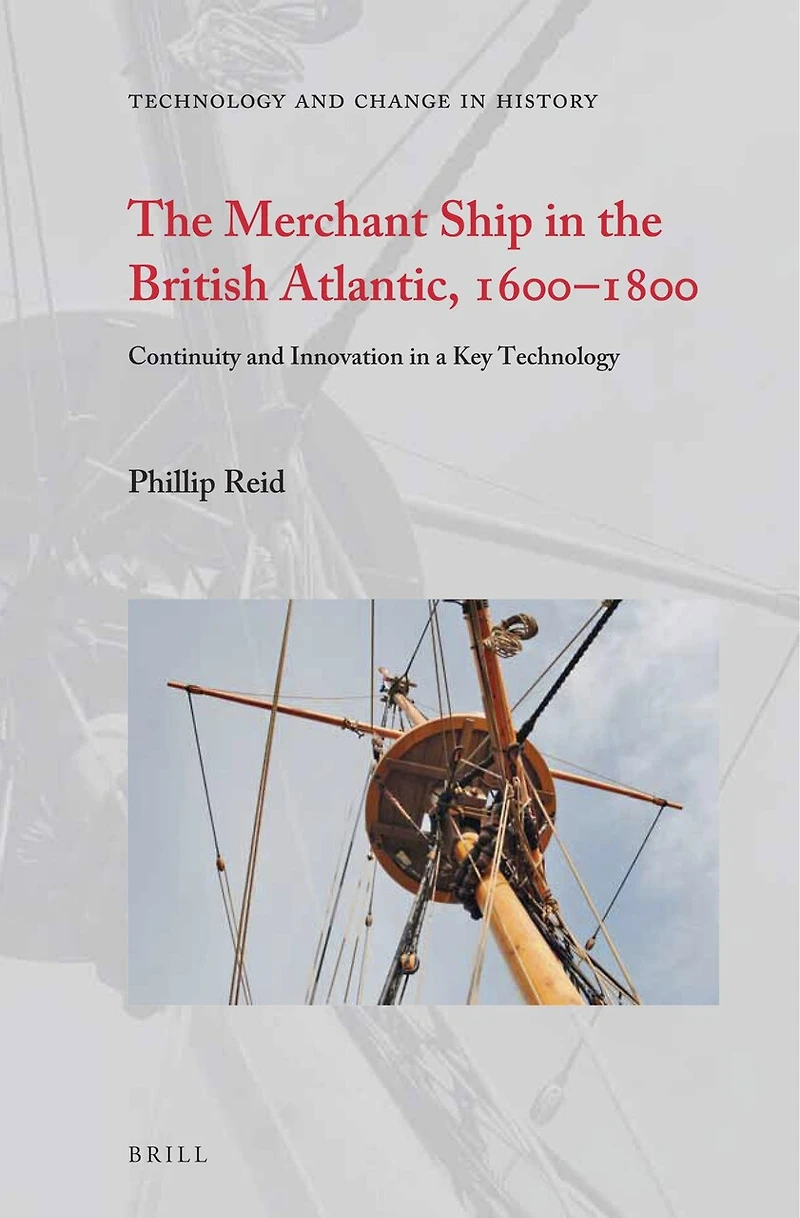
The Merchant Ship in the British Atlantic, 1600–1800: Continuity and Innovation in a Key Technology in Ottawa, ON
Current price: $227.99

The Merchant Ship in the British Atlantic, 1600–1800: Continuity and Innovation in a Key Technology in Ottawa, ON
Current price: $227.99
Loading Inventory...
Size: Hardcover
*Product information may vary - to confirm product availability, pricing, shipping and return information please contact Coles
In The Merchant Ship in the British Atlantic, 1600—1800 , Phillip Reid refutes the long-held assumption that merchant ship technology in the British Atlantic during the two centuries of its development was static for all intents and purposes, and that whatever incremental changes took place in it were inconsequential to the development of the British Empire and its offshoots.
Drawing on a unique combination of evidence from both traditional and unconventional sources, Phillip Reid shows how merchants, shipwrights, and mariners used both proven principles and adaptive innovations in hulls, rigs, and steering systems to manage high physical and financial risks.
Listen also to the podcast where the author is interviewed about the book for New Books Network and the podcast with Liz Covart for Ben Franklin’s World by clicking here .
In The Merchant Ship in the British Atlantic, 1600—1800 , Phillip Reid refutes the long-held assumption that merchant ship technology in the British Atlantic during the two centuries of its development was static for all intents and purposes, and that whatever incremental changes took place in it were inconsequential to the development of the British Empire and its offshoots.
Drawing on a unique combination of evidence from both traditional and unconventional sources, Phillip Reid shows how merchants, shipwrights, and mariners used both proven principles and adaptive innovations in hulls, rigs, and steering systems to manage high physical and financial risks.
Listen also to the podcast where the author is interviewed about the book for New Books Network and the podcast with Liz Covart for Ben Franklin’s World by clicking here .
You May Also Like
















More About Coles at Bayshore Shopping Centre
Coles is renowned for its outstanding customer service and great selection of books. Along with the vast array of magazines, stationary, audio-books, children's literature, fiction, non-fiction and reference books, you can find accessories to make your reading experience more pleasurable. We can recommend the very best in reading today. We will help you search our titles for exactly what you need, and if we do not have it in stock, we will order it for you.
100 Bayshore Dr, Nepean, ON K2B 8C1, Canada
Find Coles at Bayshore Shopping Centre in Ottawa, ON
Visit Coles at Bayshore Shopping Centre in Ottawa, ON