

Give the Gift of Choice!
Too many options? Treat your friends and family to their favourite stores with a Bayshore Shopping Centre gift card, redeemable at participating retailers throughout the centre. Click below to purchase yours today!Purchase HereHome
The Messiah Myth: The Near Eastern Roots of Jesus and David
Coles
Loading Inventory...
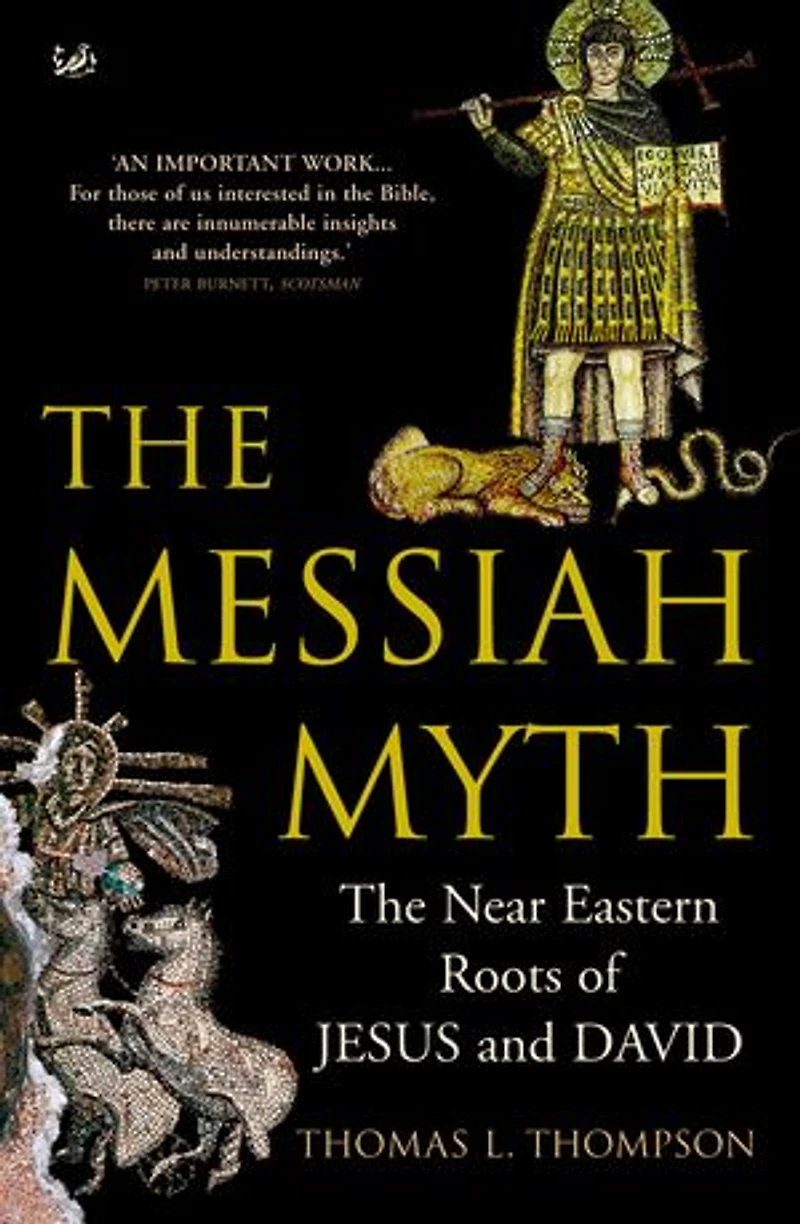
The Messiah Myth: The Near Eastern Roots of Jesus and David in Ottawa, ON
Current price: $12.99

The Messiah Myth: The Near Eastern Roots of Jesus and David in Ottawa, ON
Current price: $12.99
Loading Inventory...
Size: Kobo eBook
*Product information may vary - to confirm product availability, pricing, shipping and return information please contact Coles
Since the eighteenth century, scholars and historians studying the texts of the Bible have attempted to distil historical facts and biography from the mythology and miracles described there. That trend continues into the present day, as scholars dissect the gospels and other early Christian writings to seperate the 'Jesus of history' from the 'Christ of faith'. But in The Messiah Myth Thomas L. Thompson argues that the quest for the historical Jesus is beside the point, since the Jesus of the gospels never existed.
Like King David before him, the Jesus of the Bible is an amalgamation of themes from Near Eastern mythology and traditions of kingship and divinity. The theme of a messiah - a divinely appointed king who restores the world to perfection - is typical of Egyptian and Babylonian royal ideology dating back to the Bronze Age. In Thompson's view, the contemporary audience for whom the Old and New Testament were written would naturally have interpreted David and Jesus not as historical figures , but as metaphors embodying long-established messianic traditions.
Challenging widely held assumptions about the sources of the Bible and the quest for the historical Jesus, The Messiah Myth is sure to spark controversy and heated debate among believers and sceptics alike.
Since the eighteenth century, scholars and historians studying the texts of the Bible have attempted to distil historical facts and biography from the mythology and miracles described there. That trend continues into the present day, as scholars dissect the gospels and other early Christian writings to seperate the 'Jesus of history' from the 'Christ of faith'. But in The Messiah Myth Thomas L. Thompson argues that the quest for the historical Jesus is beside the point, since the Jesus of the gospels never existed.
Like King David before him, the Jesus of the Bible is an amalgamation of themes from Near Eastern mythology and traditions of kingship and divinity. The theme of a messiah - a divinely appointed king who restores the world to perfection - is typical of Egyptian and Babylonian royal ideology dating back to the Bronze Age. In Thompson's view, the contemporary audience for whom the Old and New Testament were written would naturally have interpreted David and Jesus not as historical figures , but as metaphors embodying long-established messianic traditions.
Challenging widely held assumptions about the sources of the Bible and the quest for the historical Jesus, The Messiah Myth is sure to spark controversy and heated debate among believers and sceptics alike.
You May Also Like








More About Coles at Bayshore Shopping Centre
Coles is renowned for its outstanding customer service and great selection of books. Along with the vast array of magazines, stationary, audio-books, children's literature, fiction, non-fiction and reference books, you can find accessories to make your reading experience more pleasurable. We can recommend the very best in reading today. We will help you search our titles for exactly what you need, and if we do not have it in stock, we will order it for you.
100 Bayshore Dr, Nepean, ON K2B 8C1, Canada
Find Coles at Bayshore Shopping Centre in Ottawa, ON
Visit Coles at Bayshore Shopping Centre in Ottawa, ON