

Give the Gift of Choice!
Too many options? Treat your friends and family to their favourite stores with a Bayshore Shopping Centre gift card, redeemable at participating retailers throughout the centre. Click below to purchase yours today!Purchase HereHome
The Middle East: The Politics Of The Sacred And Secular
Coles
Loading Inventory...
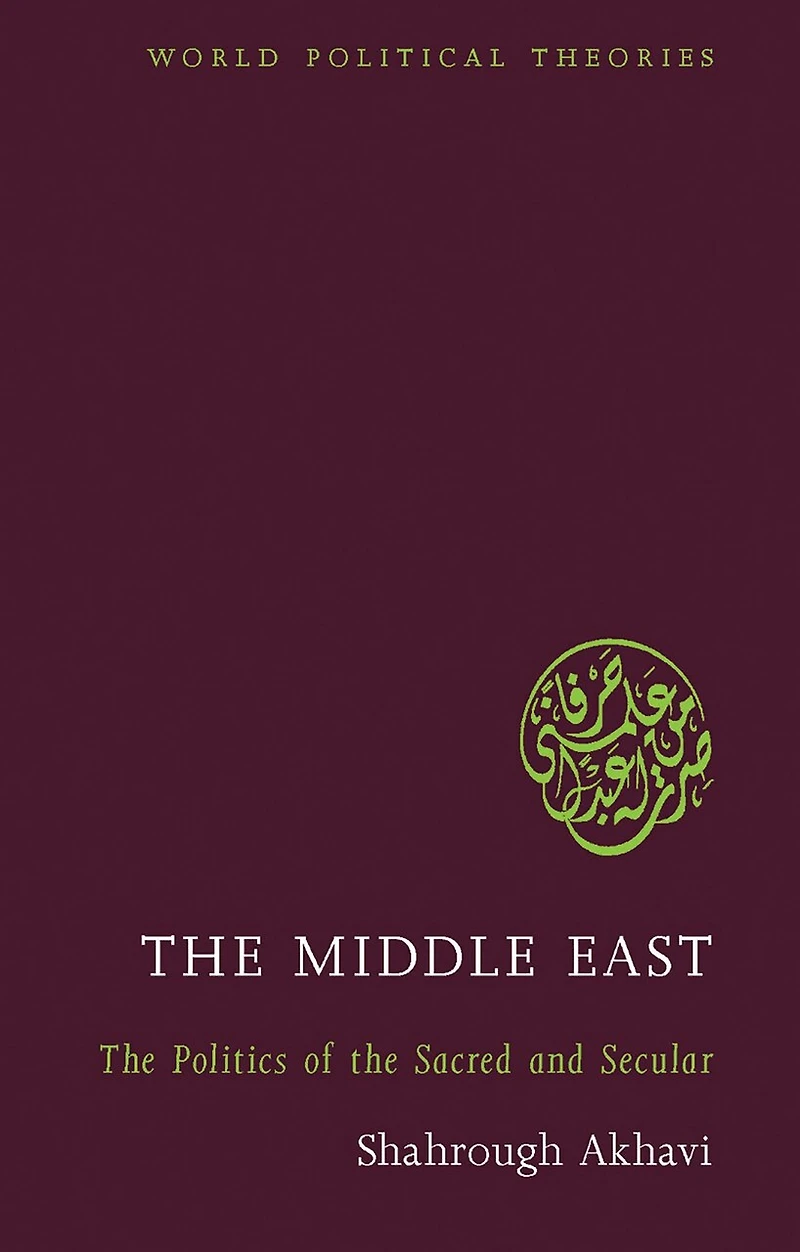
The Middle East: The Politics Of The Sacred And Secular in Ottawa, ON
Current price: $175.50

The Middle East: The Politics Of The Sacred And Secular in Ottawa, ON
Current price: $175.50
Loading Inventory...
Size: Hardcover
*Product information may vary - to confirm product availability, pricing, shipping and return information please contact Coles
Amidst recent hype about events in the Middle East, there have been few attempts to get below the surface and develop a fuller understanding of what politics means there. The Middle East: The Politics of the Sacred and Secular redresses this balance and provides essential historical and theoretical context. In this book, Shahrough Akhavi shows that the way people think about politics in the Middle East has developed in response to historical experience. Islam has obviously played a pivotal role and the book does much to disentangle myth and reality about Islamic responses to politics. Refreshingly, however, the book focuses on the universal concepts of the individual, civil society, the state, justice, authority and obligation and how these have been interpreted by Middle Eastern thinkers in the twentieth and twenty-first centuries. Akhavi builds a dynamic picture of a politically exciting and engaged region. The fresh perspective this book brings to global political theory, and the background it gives students of politics in the Middle East make it an important addition to the World Political Theories series.
Amidst recent hype about events in the Middle East, there have been few attempts to get below the surface and develop a fuller understanding of what politics means there. The Middle East: The Politics of the Sacred and Secular redresses this balance and provides essential historical and theoretical context. In this book, Shahrough Akhavi shows that the way people think about politics in the Middle East has developed in response to historical experience. Islam has obviously played a pivotal role and the book does much to disentangle myth and reality about Islamic responses to politics. Refreshingly, however, the book focuses on the universal concepts of the individual, civil society, the state, justice, authority and obligation and how these have been interpreted by Middle Eastern thinkers in the twentieth and twenty-first centuries. Akhavi builds a dynamic picture of a politically exciting and engaged region. The fresh perspective this book brings to global political theory, and the background it gives students of politics in the Middle East make it an important addition to the World Political Theories series.
You May Also Like








More About Coles at Bayshore Shopping Centre
Coles is renowned for its outstanding customer service and great selection of books. Along with the vast array of magazines, stationary, audio-books, children's literature, fiction, non-fiction and reference books, you can find accessories to make your reading experience more pleasurable. We can recommend the very best in reading today. We will help you search our titles for exactly what you need, and if we do not have it in stock, we will order it for you.
100 Bayshore Dr, Nepean, ON K2B 8C1, Canada
Find Coles at Bayshore Shopping Centre in Ottawa, ON
Visit Coles at Bayshore Shopping Centre in Ottawa, ON