

Give the Gift of Choice!
Too many options? Treat your friends and family to their favourite stores with a Bayshore Shopping Centre gift card, redeemable at participating retailers throughout the centre. Click below to purchase yours today!Purchase HereHome
the Midwestern Press Crucible of American Civil War
Coles
Loading Inventory...
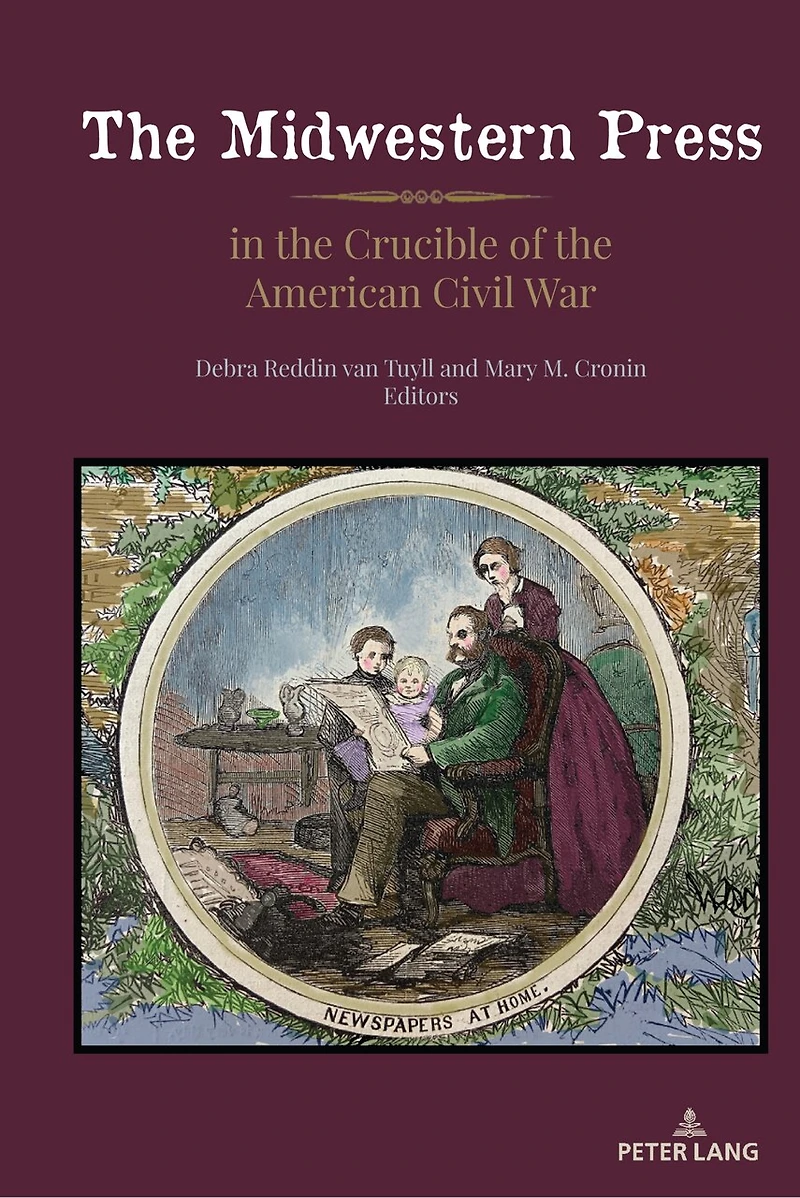

the Midwestern Press Crucible of American Civil War in Ottawa, ON
Current price: $123.45

the Midwestern Press Crucible of American Civil War in Ottawa, ON
Current price: $123.45
Loading Inventory...
Size: Hardcover
*Product information may vary - to confirm product availability, pricing, shipping and return information please contact Coles
The Midwestern press is probably the best example of the "typical" American press of the Civil War era. Its denizens were not the huge metropolitan dailies of New York and Philadelphia, nor were they the struggling weeklies of the western territories. They did not feel the hard hand of war as the Southern press did in its struggles to obtain enough paper and ink to continue printing. Instead, Midwestern publishers and editors mostly continued on, business as usual, with some disruptions as staff members joined up to fight the war for the Union, or were drafted.
Democratic newspapers experienced the most war-related trauma as neither political nor military leaders understood the concept of the loyal opposition and sought to shut down non-Republican newspapers or those that supported peace efforts.
Debra Reddin van Tuyll and Mary M. Cronin explore the history of the Midwestern press as it examines the political, social, and economic roles of the press. This work will be useful as a supplemental text in undergraduate or graduate journalism history classes and can be used in history classes that deal with the Civil War or the nineteenth century.
The Midwestern press is probably the best example of the "typical" American press of the Civil War era. Its denizens were not the huge metropolitan dailies of New York and Philadelphia, nor were they the struggling weeklies of the western territories. They did not feel the hard hand of war as the Southern press did in its struggles to obtain enough paper and ink to continue printing. Instead, Midwestern publishers and editors mostly continued on, business as usual, with some disruptions as staff members joined up to fight the war for the Union, or were drafted.
Democratic newspapers experienced the most war-related trauma as neither political nor military leaders understood the concept of the loyal opposition and sought to shut down non-Republican newspapers or those that supported peace efforts.
Debra Reddin van Tuyll and Mary M. Cronin explore the history of the Midwestern press as it examines the political, social, and economic roles of the press. This work will be useful as a supplemental text in undergraduate or graduate journalism history classes and can be used in history classes that deal with the Civil War or the nineteenth century.
You May Also Like















More About Coles at Bayshore Shopping Centre
Coles is renowned for its outstanding customer service and great selection of books. Along with the vast array of magazines, stationary, audio-books, children's literature, fiction, non-fiction and reference books, you can find accessories to make your reading experience more pleasurable. We can recommend the very best in reading today. We will help you search our titles for exactly what you need, and if we do not have it in stock, we will order it for you.
100 Bayshore Dr, Nepean, ON K2B 8C1, Canada
Find Coles at Bayshore Shopping Centre in Ottawa, ON
Visit Coles at Bayshore Shopping Centre in Ottawa, ON