

Give the Gift of Choice!
Too many options? Treat your friends and family to their favourite stores with a Bayshore Shopping Centre gift card, redeemable at participating retailers throughout the centre. Click below to purchase yours today!Purchase HereHome
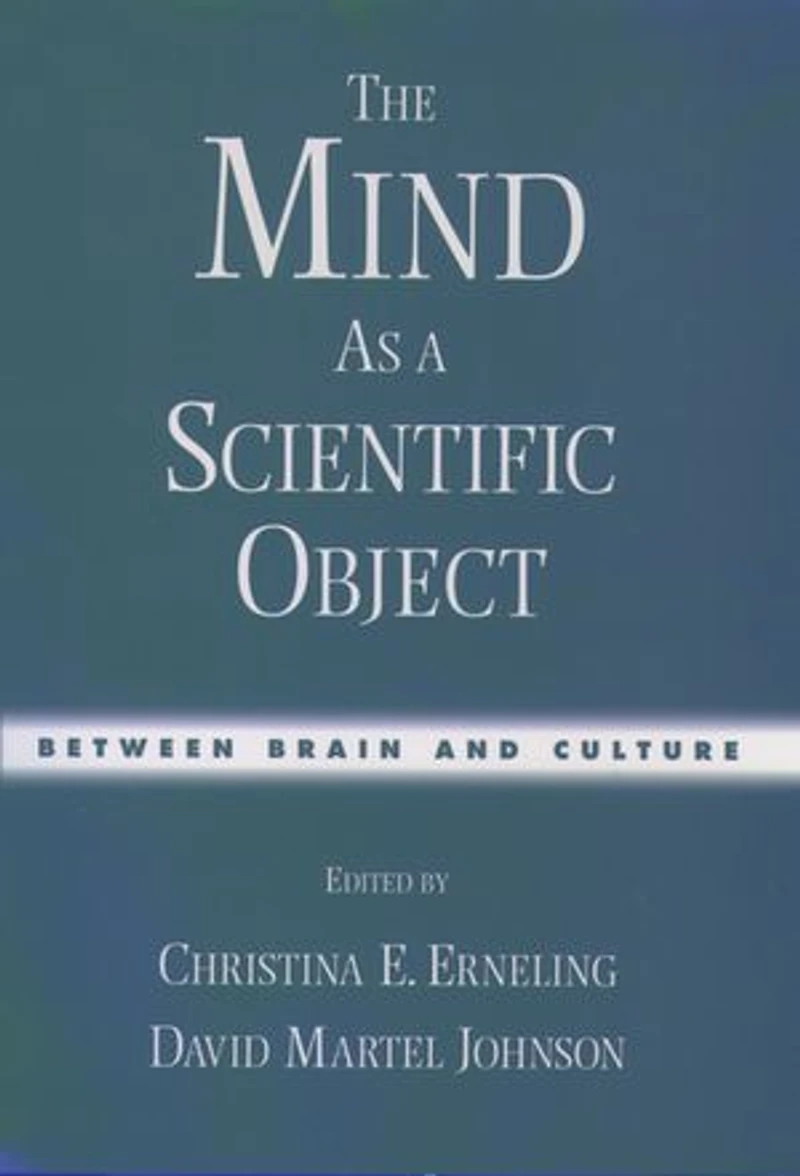
The Mind As a Scientific Object: Between Brain and Culture
Coles
Loading Inventory...
The Mind As a Scientific Object: Between Brain and Culture in Ottawa, ON
Current price: $138.00

The Mind As a Scientific Object: Between Brain and Culture in Ottawa, ON
Current price: $138.00
Loading Inventory...
Size: Hardcover
*Product information may vary - to confirm product availability, pricing, shipping and return information please contact Coles
What holds together the various fields that are supposed to consititute the general intellectual discipline that people now call cognitive science? In this book, Erneling and Johnson identify two problems with defining this discipline. First, some theorists identify the common subject matter
as the mind, but scientists and philosophers have not been able to agree on any single, satisfactory answer to the question of what the mind is. Second, those who speculate about the general characteristics that belong to cognitive science tend to assume that all the particular fields falling under
the rubric--psychology, linguistics, biology, and son on--are of roughly equal value in their ability to shed light on the nature of mind. This book argues that all the cognitive science disciplines are not equally able to provide answers to ontological questions about the mind, but rather that
only neurophysiology and cultural psychology are suited to answer these questions. However, since the cultural account of mind has long been ignored in favor of the neurophysiological account, Erneling and Johnson bring together contributions that focus especially on different versions of the
cultural account of the mind.
What holds together the various fields that are supposed to consititute the general intellectual discipline that people now call cognitive science? In this book, Erneling and Johnson identify two problems with defining this discipline. First, some theorists identify the common subject matter
as the mind, but scientists and philosophers have not been able to agree on any single, satisfactory answer to the question of what the mind is. Second, those who speculate about the general characteristics that belong to cognitive science tend to assume that all the particular fields falling under
the rubric--psychology, linguistics, biology, and son on--are of roughly equal value in their ability to shed light on the nature of mind. This book argues that all the cognitive science disciplines are not equally able to provide answers to ontological questions about the mind, but rather that
only neurophysiology and cultural psychology are suited to answer these questions. However, since the cultural account of mind has long been ignored in favor of the neurophysiological account, Erneling and Johnson bring together contributions that focus especially on different versions of the
cultural account of the mind.
You May Also Like















More About Coles at Bayshore Shopping Centre
Coles is renowned for its outstanding customer service and great selection of books. Along with the vast array of magazines, stationary, audio-books, children's literature, fiction, non-fiction and reference books, you can find accessories to make your reading experience more pleasurable. We can recommend the very best in reading today. We will help you search our titles for exactly what you need, and if we do not have it in stock, we will order it for you.
100 Bayshore Dr, Nepean, ON K2B 8C1, Canada
Find Coles at Bayshore Shopping Centre in Ottawa, ON
Visit Coles at Bayshore Shopping Centre in Ottawa, ON