

Give the Gift of Choice!
Too many options? Treat your friends and family to their favourite stores with a Bayshore Shopping Centre gift card, redeemable at participating retailers throughout the centre. Click below to purchase yours today!Purchase HereHome
The Ming Dynasty: Its Origins and Evolving Institutions
Coles
Loading Inventory...
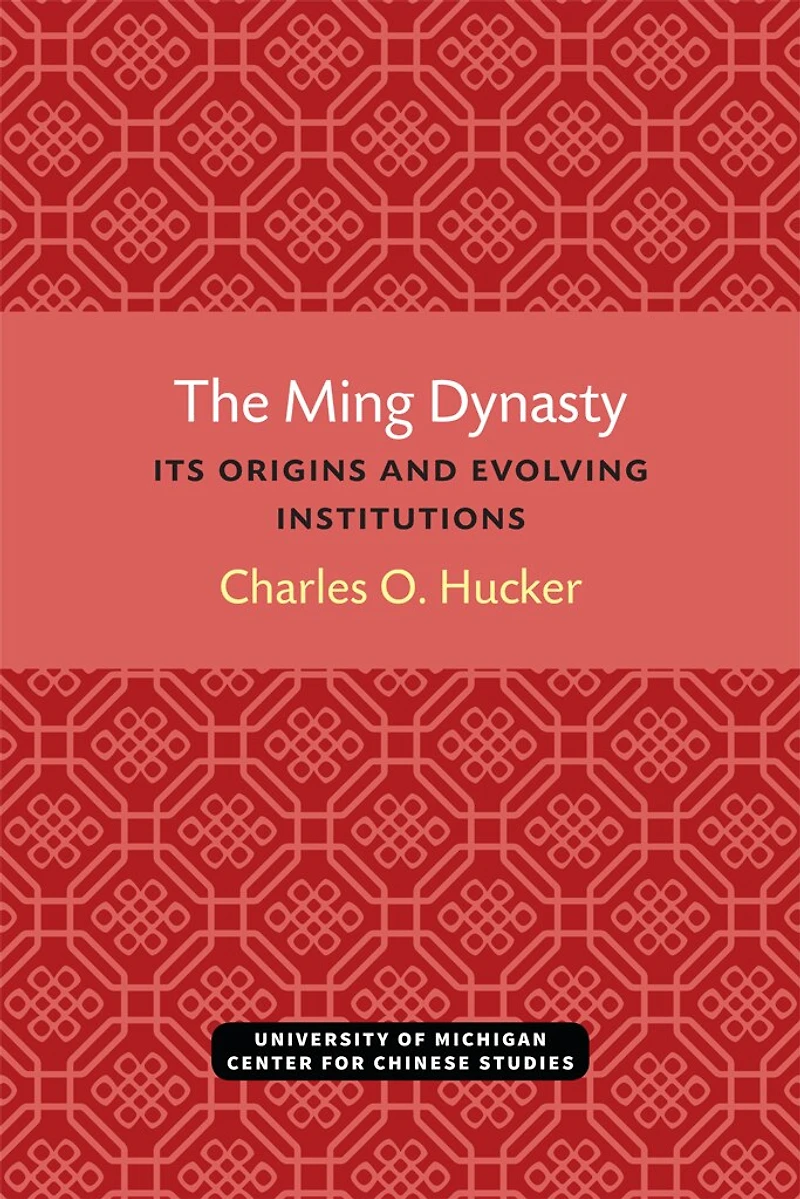
The Ming Dynasty: Its Origins and Evolving Institutions in Ottawa, ON
Current price: $15.68

The Ming Dynasty: Its Origins and Evolving Institutions in Ottawa, ON
Current price: $15.68
Loading Inventory...
Size: Paperback
*Product information may vary - to confirm product availability, pricing, shipping and return information please contact Coles
In the latter half of the fourteenth century, at one end of the Eurasian continent, the stage was not yet set for the emergence of modern nation-states. At the other end, the Chinese drove out their Mongol overlords, inaugurated a new native dynasty called Ming (1368–1644), and reasserted the mastery of their national destiny. It was a dramatic era of change, the full significance of which can only be perceived retrospectively. With the establishment of the Ming dynasty, a major historical tension rose into prominence between more absolutist and less absolutist modes of rulership. This produced a distinctive style of rule that modern students have come to call Ming despotism. It proved a capriciously absolutist pattern for Chinese government into our own time. [1, 2 ,3]
In the latter half of the fourteenth century, at one end of the Eurasian continent, the stage was not yet set for the emergence of modern nation-states. At the other end, the Chinese drove out their Mongol overlords, inaugurated a new native dynasty called Ming (1368–1644), and reasserted the mastery of their national destiny. It was a dramatic era of change, the full significance of which can only be perceived retrospectively. With the establishment of the Ming dynasty, a major historical tension rose into prominence between more absolutist and less absolutist modes of rulership. This produced a distinctive style of rule that modern students have come to call Ming despotism. It proved a capriciously absolutist pattern for Chinese government into our own time. [1, 2 ,3]
You May Also Like










More About Coles at Bayshore Shopping Centre
Coles is renowned for its outstanding customer service and great selection of books. Along with the vast array of magazines, stationary, audio-books, children's literature, fiction, non-fiction and reference books, you can find accessories to make your reading experience more pleasurable. We can recommend the very best in reading today. We will help you search our titles for exactly what you need, and if we do not have it in stock, we will order it for you.
100 Bayshore Dr, Nepean, ON K2B 8C1, Canada
Find Coles at Bayshore Shopping Centre in Ottawa, ON
Visit Coles at Bayshore Shopping Centre in Ottawa, ON