

Give the Gift of Choice!
Too many options? Treat your friends and family to their favourite stores with a Bayshore Shopping Centre gift card, redeemable at participating retailers throughout the centre. Click below to purchase yours today!Purchase HereHome
The Moral Challenge of Alzheimer Disease: Ethical Issues from Diagnosis to Dying
Coles
Loading Inventory...
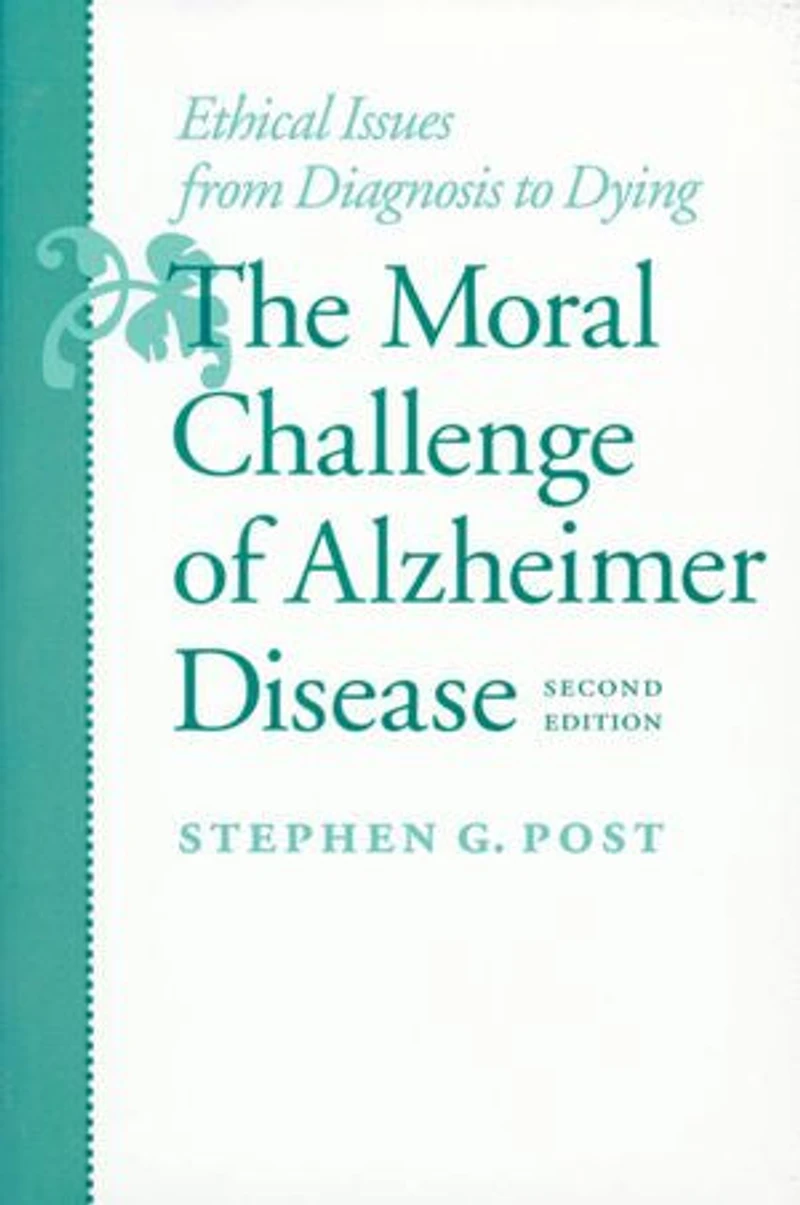
The Moral Challenge of Alzheimer Disease: Ethical Issues from Diagnosis to Dying in Ottawa, ON
Current price: $35.79
Original price: $44.72

The Moral Challenge of Alzheimer Disease: Ethical Issues from Diagnosis to Dying in Ottawa, ON
Current price: $35.79
Original price: $44.72
Loading Inventory...
Size: Kobo eBook
*Product information may vary - to confirm product availability, pricing, shipping and return information please contact Coles
Society today, writes Stephen Post, is "hypercognitive": it places inordinate emphasis on people's powers of rational thinking and memory. Thus, Alzheimer disease and other dementias, which over an extended period incrementally rob patients of exactly those functions, raise many dilemmas. How are we to view—and value—persons deprived of what some consider the most important human capacities? In the second edition of The Moral Challenge of Alzheimer Disease , Post updates his highly praised account of the major ethical issues relating to dementia care. With chapters organized to follow the progression from mild to severe and then terminal stages of dementia, Post discusses topics including the experience of dementia, family caregiving, genetic testing for Alzheimer disease, quality of life, and assisted suicide and euthanasia. New to this edition are sections dealing with end-of-life issues (especially artificial nutrition and hydration), the emerging cognitive-enhancing drugs, distributive justice, spirituality, and hospice, as well as a critique of rationalistic definitions of personhood . The last chapter is a new summary of practical solutions useful to family members and professionals.
Society today, writes Stephen Post, is "hypercognitive": it places inordinate emphasis on people's powers of rational thinking and memory. Thus, Alzheimer disease and other dementias, which over an extended period incrementally rob patients of exactly those functions, raise many dilemmas. How are we to view—and value—persons deprived of what some consider the most important human capacities? In the second edition of The Moral Challenge of Alzheimer Disease , Post updates his highly praised account of the major ethical issues relating to dementia care. With chapters organized to follow the progression from mild to severe and then terminal stages of dementia, Post discusses topics including the experience of dementia, family caregiving, genetic testing for Alzheimer disease, quality of life, and assisted suicide and euthanasia. New to this edition are sections dealing with end-of-life issues (especially artificial nutrition and hydration), the emerging cognitive-enhancing drugs, distributive justice, spirituality, and hospice, as well as a critique of rationalistic definitions of personhood . The last chapter is a new summary of practical solutions useful to family members and professionals.
You May Also Like











More About Coles at Bayshore Shopping Centre
Coles is renowned for its outstanding customer service and great selection of books. Along with the vast array of magazines, stationary, audio-books, children's literature, fiction, non-fiction and reference books, you can find accessories to make your reading experience more pleasurable. We can recommend the very best in reading today. We will help you search our titles for exactly what you need, and if we do not have it in stock, we will order it for you.
100 Bayshore Dr, Nepean, ON K2B 8C1, Canada
Find Coles at Bayshore Shopping Centre in Ottawa, ON
Visit Coles at Bayshore Shopping Centre in Ottawa, ON