

Give the Gift of Choice!
Too many options? Treat your friends and family to their favourite stores with a Bayshore Shopping Centre gift card, redeemable at participating retailers throughout the centre. Click below to purchase yours today!Purchase HereHome
The “Mysteries” of Qumran: Mystery, secrecy, and esotericism in the Dead Sea scrolls
Coles
Loading Inventory...
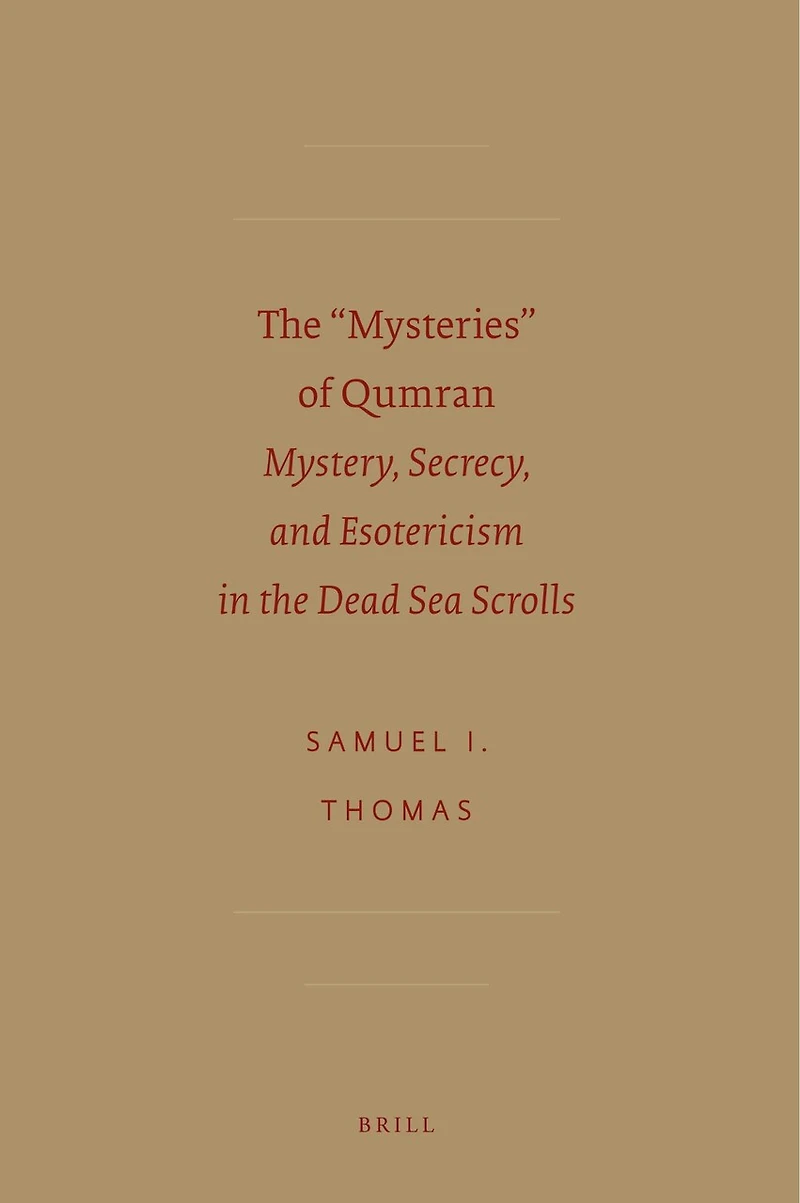
The “Mysteries” of Qumran: Mystery, secrecy, and esotericism in the Dead Sea scrolls in Ottawa, ON
Current price: $235.50

The “Mysteries” of Qumran: Mystery, secrecy, and esotericism in the Dead Sea scrolls in Ottawa, ON
Current price: $235.50
Loading Inventory...
Size: Hardcover
*Product information may vary - to confirm product availability, pricing, shipping and return information please contact Coles
This volume provides a new interpretation of the functions of “mystery” language and secrecy in the Qumran scrolls. The texts preserved and composed at Qumran by the apocalyptic group known as the Yaḥad display an interest in revelation, interpretation, and ritual practice, and attest to the active cultivation of esoteric arts such as astrology and astronomy, physiognomy, and therapeutic “magic.” Much like its Babylonian priestly-scribal counterparts, the Yaḥad fostered and guarded its “mysteries”—its store of special knowledge available only to the elect—and used “mystery” terminology (especially raz) to claim authority and to erect social boundaries around themselves as the “men of the vision” and the “house of holiness.” The “Mysteries” of Qumran offers an in-depth semantic analysis of relevant terminology and integrates social-scientific and intellectual-history approaches in focusing on an important motif in the Dead Sea Scrolls.
This volume provides a new interpretation of the functions of “mystery” language and secrecy in the Qumran scrolls. The texts preserved and composed at Qumran by the apocalyptic group known as the Yaḥad display an interest in revelation, interpretation, and ritual practice, and attest to the active cultivation of esoteric arts such as astrology and astronomy, physiognomy, and therapeutic “magic.” Much like its Babylonian priestly-scribal counterparts, the Yaḥad fostered and guarded its “mysteries”—its store of special knowledge available only to the elect—and used “mystery” terminology (especially raz) to claim authority and to erect social boundaries around themselves as the “men of the vision” and the “house of holiness.” The “Mysteries” of Qumran offers an in-depth semantic analysis of relevant terminology and integrates social-scientific and intellectual-history approaches in focusing on an important motif in the Dead Sea Scrolls.
You May Also Like







More About Coles at Bayshore Shopping Centre
Coles is renowned for its outstanding customer service and great selection of books. Along with the vast array of magazines, stationary, audio-books, children's literature, fiction, non-fiction and reference books, you can find accessories to make your reading experience more pleasurable. We can recommend the very best in reading today. We will help you search our titles for exactly what you need, and if we do not have it in stock, we will order it for you.
100 Bayshore Dr, Nepean, ON K2B 8C1, Canada
Find Coles at Bayshore Shopping Centre in Ottawa, ON
Visit Coles at Bayshore Shopping Centre in Ottawa, ON