

Give the Gift of Choice!
Too many options? Treat your friends and family to their favourite stores with a Bayshore Shopping Centre gift card, redeemable at participating retailers throughout the centre. Click below to purchase yours today!Purchase HereHome
The Nature of Soviet Power: An Arctic Environmental History
Coles
Loading Inventory...
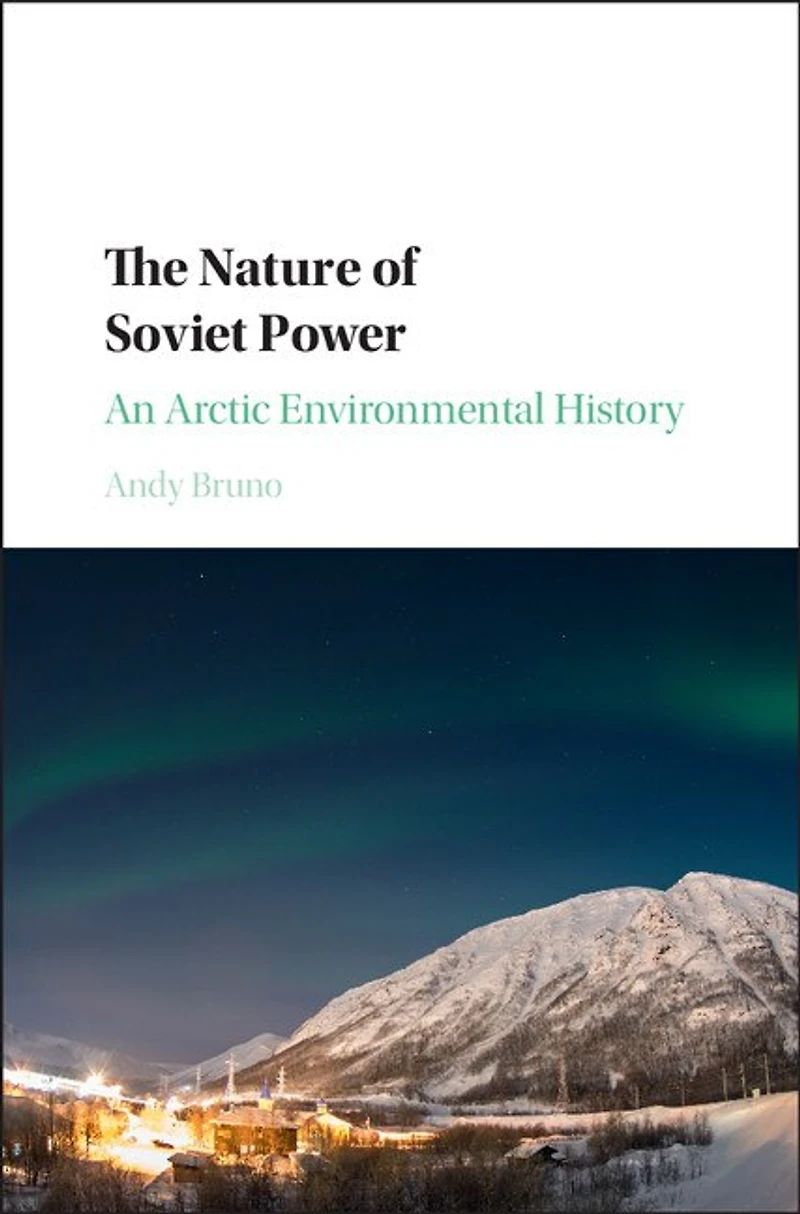
The Nature of Soviet Power: An Arctic Environmental History in Ottawa, ON
Current price: $152.95

The Nature of Soviet Power: An Arctic Environmental History in Ottawa, ON
Current price: $152.95
Loading Inventory...
Size: Hardcover
*Product information may vary - to confirm product availability, pricing, shipping and return information please contact Coles
During the twentieth century, the Soviet Union turned the Kola Peninsula in the northwest corner of the country into one of the most populated, industrialized, militarized, and polluted parts of the Arctic. This transformation suggests, above all, that environmental relations fundamentally shaped the Soviet experience. Interactions with the natural world both enabled industrial livelihoods and curtailed socialist promises. Nature itself was a participant in the communist project. Taking a long-term comparative perspective, The Nature of Soviet Power sees Soviet environmental history as part of the global pursuit for unending economic growth among modern states. This in-depth exploration of railroad construction, the mining and processing of phosphorus-rich apatite, reindeer herding, nickel and copper smelting, and energy production in the region examines Soviet cultural perceptions of nature, plans for development, lived experiences, and modifications to the physical world. While Soviet power remade nature, nature also remade Soviet power.
During the twentieth century, the Soviet Union turned the Kola Peninsula in the northwest corner of the country into one of the most populated, industrialized, militarized, and polluted parts of the Arctic. This transformation suggests, above all, that environmental relations fundamentally shaped the Soviet experience. Interactions with the natural world both enabled industrial livelihoods and curtailed socialist promises. Nature itself was a participant in the communist project. Taking a long-term comparative perspective, The Nature of Soviet Power sees Soviet environmental history as part of the global pursuit for unending economic growth among modern states. This in-depth exploration of railroad construction, the mining and processing of phosphorus-rich apatite, reindeer herding, nickel and copper smelting, and energy production in the region examines Soviet cultural perceptions of nature, plans for development, lived experiences, and modifications to the physical world. While Soviet power remade nature, nature also remade Soviet power.
You May Also Like








More About Coles at Bayshore Shopping Centre
Coles is renowned for its outstanding customer service and great selection of books. Along with the vast array of magazines, stationary, audio-books, children's literature, fiction, non-fiction and reference books, you can find accessories to make your reading experience more pleasurable. We can recommend the very best in reading today. We will help you search our titles for exactly what you need, and if we do not have it in stock, we will order it for you.
100 Bayshore Dr, Nepean, ON K2B 8C1, Canada
Find Coles at Bayshore Shopping Centre in Ottawa, ON
Visit Coles at Bayshore Shopping Centre in Ottawa, ON