

Give the Gift of Choice!
Too many options? Treat your friends and family to their favourite stores with a Bayshore Shopping Centre gift card, redeemable at participating retailers throughout the centre. Click below to purchase yours today!Purchase HereHome
The Neuroscience of Suicidal Behavior
Coles
Loading Inventory...
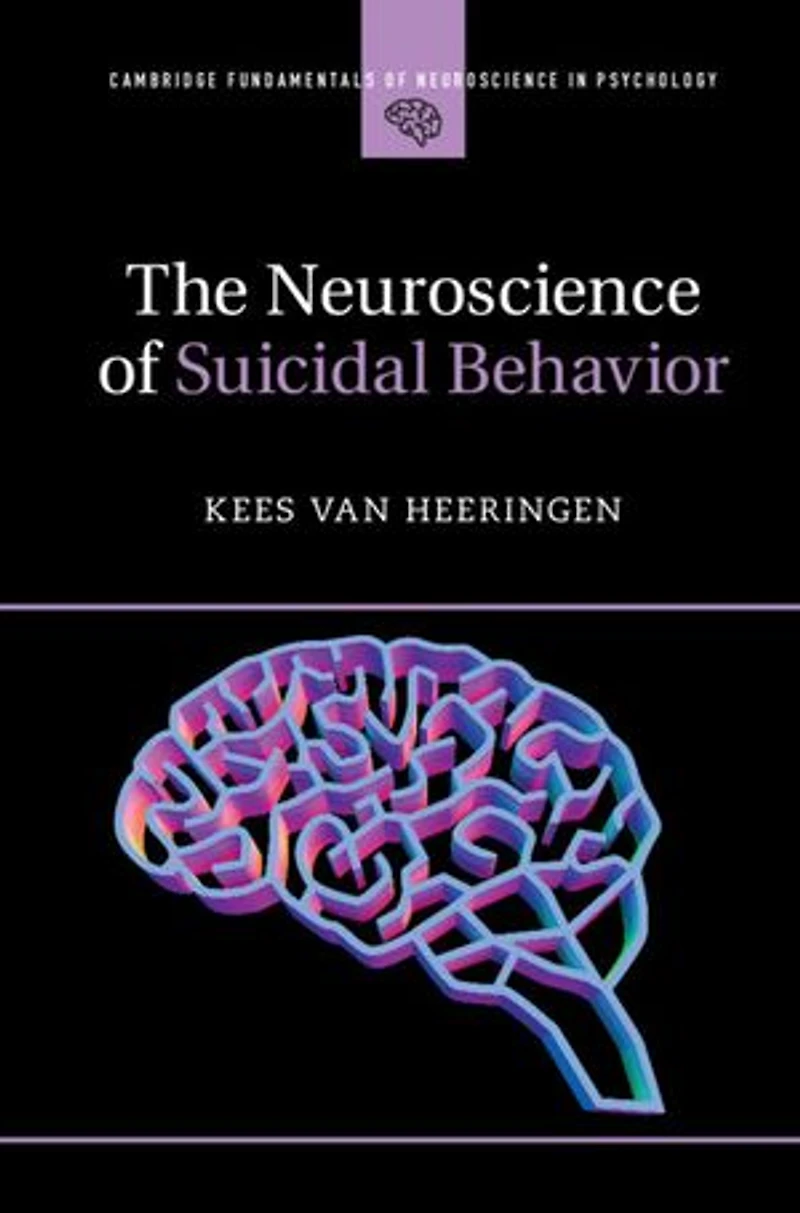
The Neuroscience of Suicidal Behavior in Ottawa, ON
Current price: $41.59
Original price: $51.95

The Neuroscience of Suicidal Behavior in Ottawa, ON
Current price: $41.59
Original price: $51.95
Loading Inventory...
Size: Kobo eBook
*Product information may vary - to confirm product availability, pricing, shipping and return information please contact Coles
Nearly one million people take their own lives each year world-wide - however, contrary to popular belief, suicide can be prevented. While suicide is commonly thought to be an understandable reaction to severe stress, it is actually an abnormal reaction to regular situations. Something more than unbearable stress is needed to explain suicide, and neuroscience shows what this is, how it is caused and how it can be treated. Professor Kees van Heeringen describes findings from neuroscientific research on suicide, using various approaches from population genetics to brain imaging. Compelling evidence is reviewed that shows how and why genetic characteristics or early traumatic experiences may lead to a specific predisposition that makes people vulnerable to triggering life events. Neuroscientific studies are yielding results that provide insight into how the risk of suicide may develop; ultimately demonstrating how suicide can be prevented.
Nearly one million people take their own lives each year world-wide - however, contrary to popular belief, suicide can be prevented. While suicide is commonly thought to be an understandable reaction to severe stress, it is actually an abnormal reaction to regular situations. Something more than unbearable stress is needed to explain suicide, and neuroscience shows what this is, how it is caused and how it can be treated. Professor Kees van Heeringen describes findings from neuroscientific research on suicide, using various approaches from population genetics to brain imaging. Compelling evidence is reviewed that shows how and why genetic characteristics or early traumatic experiences may lead to a specific predisposition that makes people vulnerable to triggering life events. Neuroscientific studies are yielding results that provide insight into how the risk of suicide may develop; ultimately demonstrating how suicide can be prevented.
You May Also Like












More About Coles at Bayshore Shopping Centre
Coles is renowned for its outstanding customer service and great selection of books. Along with the vast array of magazines, stationary, audio-books, children's literature, fiction, non-fiction and reference books, you can find accessories to make your reading experience more pleasurable. We can recommend the very best in reading today. We will help you search our titles for exactly what you need, and if we do not have it in stock, we will order it for you.
100 Bayshore Dr, Nepean, ON K2B 8C1, Canada
Find Coles at Bayshore Shopping Centre in Ottawa, ON
Visit Coles at Bayshore Shopping Centre in Ottawa, ON