

Give the Gift of Choice!
Too many options? Treat your friends and family to their favourite stores with a Bayshore Shopping Centre gift card, redeemable at participating retailers throughout the centre. Click below to purchase yours today!Purchase HereHome
the New Eco-Architecture: Alternatives from Modern Movement
Coles
Loading Inventory...

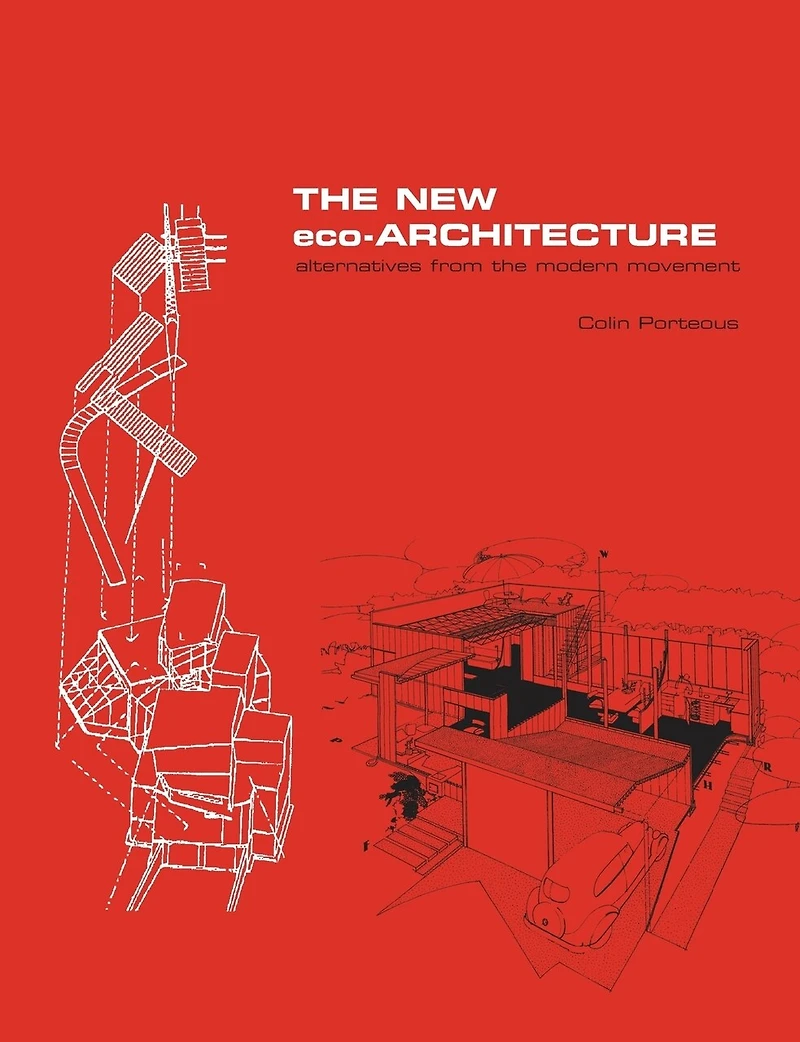
the New Eco-Architecture: Alternatives from Modern Movement in Ottawa, ON
Current price: $142.49

the New Eco-Architecture: Alternatives from Modern Movement in Ottawa, ON
Current price: $142.49
Loading Inventory...
Size: Kobo eBook
*Product information may vary - to confirm product availability, pricing, shipping and return information please contact Coles
The New Eco-Architecture builds a historical bridge between architectural science and design. It seeks to address neglected aspects of the Modern Movement as a prelude to supporting a diversity of architectural insight and experimentation aimed at twenty-first century environmental needs and priorities. The attitudes and influences of renowned figures are re-examined in relation to current issues of architectural sustainability.
By setting today's green architectural quest within a twentieth century context, and evaluating the main protagonists with regard to a modern eco-sensitive lineage, the book will be of primary interest to architectural students, academics and practitioners. However, it should also intrigue historians, theoreticians and critics, who tend to gloss over such issues, as well as other disciplines engaged with the built environment.
The New Eco-Architecture builds a historical bridge between architectural science and design. It seeks to address neglected aspects of the Modern Movement as a prelude to supporting a diversity of architectural insight and experimentation aimed at twenty-first century environmental needs and priorities. The attitudes and influences of renowned figures are re-examined in relation to current issues of architectural sustainability.
By setting today's green architectural quest within a twentieth century context, and evaluating the main protagonists with regard to a modern eco-sensitive lineage, the book will be of primary interest to architectural students, academics and practitioners. However, it should also intrigue historians, theoreticians and critics, who tend to gloss over such issues, as well as other disciplines engaged with the built environment.
You May Also Like













More About Coles at Bayshore Shopping Centre
Coles is renowned for its outstanding customer service and great selection of books. Along with the vast array of magazines, stationary, audio-books, children's literature, fiction, non-fiction and reference books, you can find accessories to make your reading experience more pleasurable. We can recommend the very best in reading today. We will help you search our titles for exactly what you need, and if we do not have it in stock, we will order it for you.
100 Bayshore Dr, Nepean, ON K2B 8C1, Canada
Find Coles at Bayshore Shopping Centre in Ottawa, ON
Visit Coles at Bayshore Shopping Centre in Ottawa, ON