

Give the Gift of Choice!
Too many options? Treat your friends and family to their favourite stores with a Bayshore Shopping Centre gift card, redeemable at participating retailers throughout the centre. Click below to purchase yours today!Purchase HereHome
The New Graded Word-Book for Australian Schools
Coles
Loading Inventory...
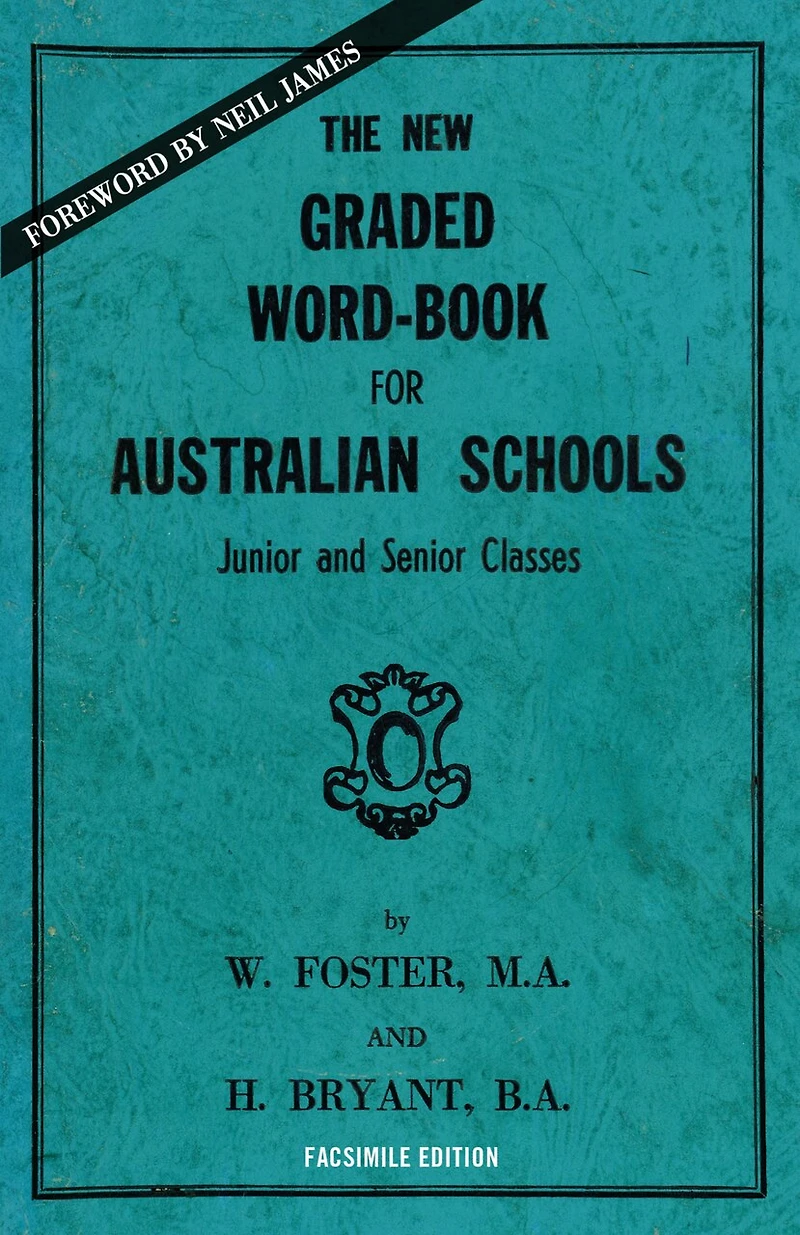
The New Graded Word-Book for Australian Schools in Ottawa, ON
Current price: $24.95

The New Graded Word-Book for Australian Schools in Ottawa, ON
Current price: $24.95
Loading Inventory...
Size: Paperback
*Product information may vary - to confirm product availability, pricing, shipping and return information please contact Coles
DO YOU KNOW
WHY ‘The dog followed Harry and I’ IS WRONG?
HOW TO AVOID THE CONSTRUCTION ‘The reason why … was because’?
WHEN TO USE ‘fewer’ AND WHEN TO USE ‘less’?
All this — and more — was taught in Australian schools many decades ago. Exercises to spell accurately, pronounce words well, and construct grammatically sound sentences were administered to students as young as eleven and twelve.
Through books such as The New Graded Word-Book for Australian Schools , students expanded their vocabulary and learned the conventions of English grammar. The Word-Book covers a range of topics from prepositions to participles, as well as reproducing spelling lists from state departments of education, and extracts of examination papers from UK universities and civil-service tests.
Now, in an era when hardly anybody knows how to use ‘comprise’ correctly, or the difference between ‘uninterested’ and ‘disinterested’, the language foundations we’ve left behind look more than quaint. They might even be useful.
DO YOU KNOW
WHY ‘The dog followed Harry and I’ IS WRONG?
HOW TO AVOID THE CONSTRUCTION ‘The reason why … was because’?
WHEN TO USE ‘fewer’ AND WHEN TO USE ‘less’?
All this — and more — was taught in Australian schools many decades ago. Exercises to spell accurately, pronounce words well, and construct grammatically sound sentences were administered to students as young as eleven and twelve.
Through books such as The New Graded Word-Book for Australian Schools , students expanded their vocabulary and learned the conventions of English grammar. The Word-Book covers a range of topics from prepositions to participles, as well as reproducing spelling lists from state departments of education, and extracts of examination papers from UK universities and civil-service tests.
Now, in an era when hardly anybody knows how to use ‘comprise’ correctly, or the difference between ‘uninterested’ and ‘disinterested’, the language foundations we’ve left behind look more than quaint. They might even be useful.
You May Also Like







More About Coles at Bayshore Shopping Centre
Coles is renowned for its outstanding customer service and great selection of books. Along with the vast array of magazines, stationary, audio-books, children's literature, fiction, non-fiction and reference books, you can find accessories to make your reading experience more pleasurable. We can recommend the very best in reading today. We will help you search our titles for exactly what you need, and if we do not have it in stock, we will order it for you.
100 Bayshore Dr, Nepean, ON K2B 8C1, Canada
Find Coles at Bayshore Shopping Centre in Ottawa, ON
Visit Coles at Bayshore Shopping Centre in Ottawa, ON