

Give the Gift of Choice!
Too many options? Treat your friends and family to their favourite stores with a Bayshore Shopping Centre gift card, redeemable at participating retailers throughout the centre. Click below to purchase yours today!Purchase HereHome
The New Keto Diet for Epilepsy: Complete Guide on Using Ketogenic Diet To Manage Epilepsy: Includes meal Plan, Delicious Recipes and Cookbook
Coles
Loading Inventory...
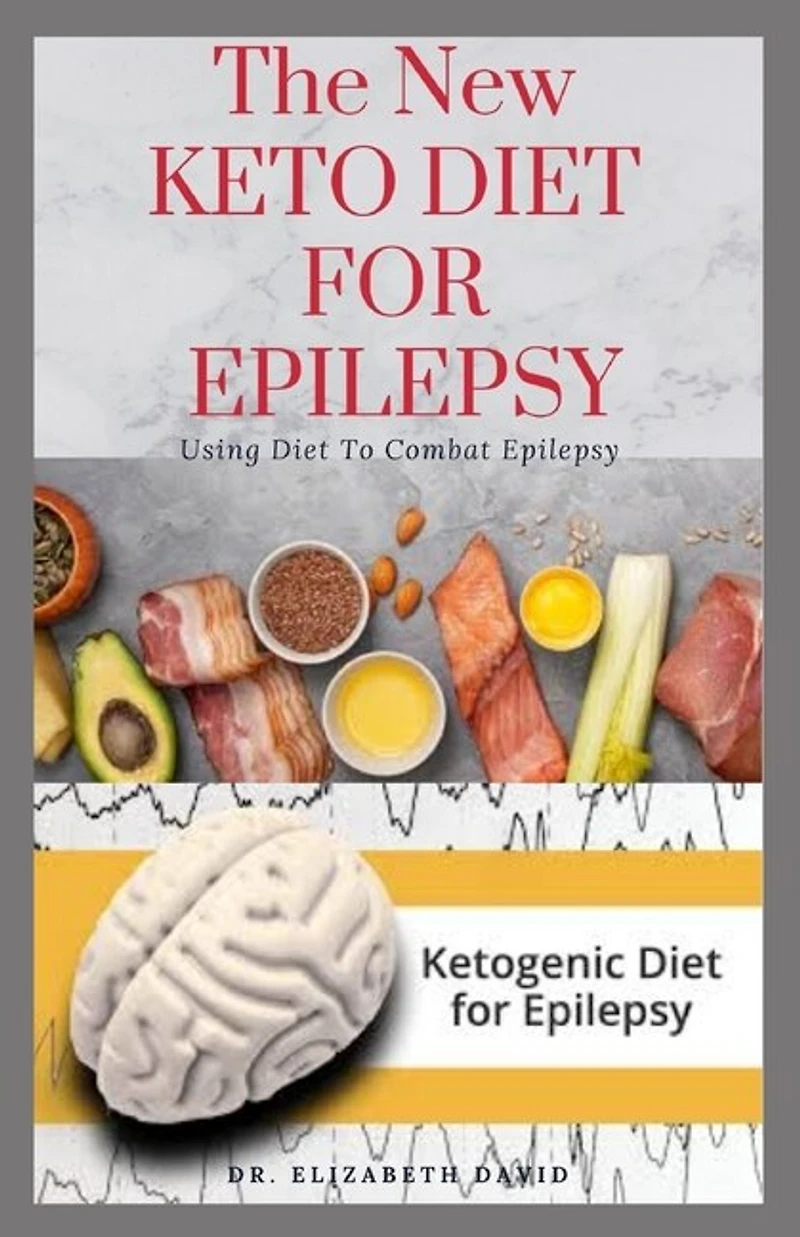
The New Keto Diet for Epilepsy: Complete Guide on Using Ketogenic Diet To Manage Epilepsy: Includes meal Plan, Delicious Recipes and Cookbook in Ottawa, ON
Current price: $15.95

The New Keto Diet for Epilepsy: Complete Guide on Using Ketogenic Diet To Manage Epilepsy: Includes meal Plan, Delicious Recipes and Cookbook in Ottawa, ON
Current price: $15.95
Loading Inventory...
Size: Paperback
*Product information may vary - to confirm product availability, pricing, shipping and return information please contact Coles
The ketogenic diet for epilepsy (KDE) is a special diet that has helped many children and some adults achieve better (or even full) control of their seizures. It's a first-line treatment for a few specific epilepsy syndromes, such as epilepsy due to mutations in GLUT-1 or pyruvate dehydrogenase deficiency.The ketogenic diet for epilepsy was developed in the 1920s by a Michigan doctor named Hugh Conklin. However, once effective medications were developed, the diet was used less and less frequently.It has regained recognition and has become a standard backup plan for children whose epilepsy symptoms are difficult to control with medication.1? With more than 470,000 children living with seizure disorders in the United States (according to Centers for Disease Control and Prevention statistics), it's an important addition to the arsenal of treatments for epilepsy.The Ketogenic Diet and EpilepsyThe ketogenic diet for epilepsy is a very high-fat diet with just enough protein for body maintenance and growth, and very low amounts of carbohydrate. When fats are broken down for energy, the body goes into what's called a ketogenic state, in which the body generates molecules called ketones. The goal of the KDE is for the brain to use ketones for energy rather than glucose (sugar) as much as possible.Ketones are (largely) water-soluble, so they are easily transported to the brain. The brain cannot use fatty acids for energy, but it can use ketones for a large portion of its energy requirements.The KDE is usually begun in a hospital setting and often begins with a one- to two-day fasting period, though there may be a trend away from both of these requirements. After determining the proper amount of protein (depending on age, etc.), the diet is structured as a ratio of fat grams to protein grams, plus carb grams. It usually begins with a 4 to 1 ratio and can be fine-tuned from there. The diet is often calorie and fluid-limited.
The ketogenic diet for epilepsy (KDE) is a special diet that has helped many children and some adults achieve better (or even full) control of their seizures. It's a first-line treatment for a few specific epilepsy syndromes, such as epilepsy due to mutations in GLUT-1 or pyruvate dehydrogenase deficiency.The ketogenic diet for epilepsy was developed in the 1920s by a Michigan doctor named Hugh Conklin. However, once effective medications were developed, the diet was used less and less frequently.It has regained recognition and has become a standard backup plan for children whose epilepsy symptoms are difficult to control with medication.1? With more than 470,000 children living with seizure disorders in the United States (according to Centers for Disease Control and Prevention statistics), it's an important addition to the arsenal of treatments for epilepsy.The Ketogenic Diet and EpilepsyThe ketogenic diet for epilepsy is a very high-fat diet with just enough protein for body maintenance and growth, and very low amounts of carbohydrate. When fats are broken down for energy, the body goes into what's called a ketogenic state, in which the body generates molecules called ketones. The goal of the KDE is for the brain to use ketones for energy rather than glucose (sugar) as much as possible.Ketones are (largely) water-soluble, so they are easily transported to the brain. The brain cannot use fatty acids for energy, but it can use ketones for a large portion of its energy requirements.The KDE is usually begun in a hospital setting and often begins with a one- to two-day fasting period, though there may be a trend away from both of these requirements. After determining the proper amount of protein (depending on age, etc.), the diet is structured as a ratio of fat grams to protein grams, plus carb grams. It usually begins with a 4 to 1 ratio and can be fine-tuned from there. The diet is often calorie and fluid-limited.
You May Also Like


















More About Coles at Bayshore Shopping Centre
Coles is renowned for its outstanding customer service and great selection of books. Along with the vast array of magazines, stationary, audio-books, children's literature, fiction, non-fiction and reference books, you can find accessories to make your reading experience more pleasurable. We can recommend the very best in reading today. We will help you search our titles for exactly what you need, and if we do not have it in stock, we will order it for you.
100 Bayshore Dr, Nepean, ON K2B 8C1, Canada
Find Coles at Bayshore Shopping Centre in Ottawa, ON
Visit Coles at Bayshore Shopping Centre in Ottawa, ON