

Give the Gift of Choice!
Too many options? Treat your friends and family to their favourite stores with a Bayshore Shopping Centre gift card, redeemable at participating retailers throughout the centre. Click below to purchase yours today!Purchase HereHome
The Nixon Administration and Cuba: Continuity Rupture
Coles
Loading Inventory...
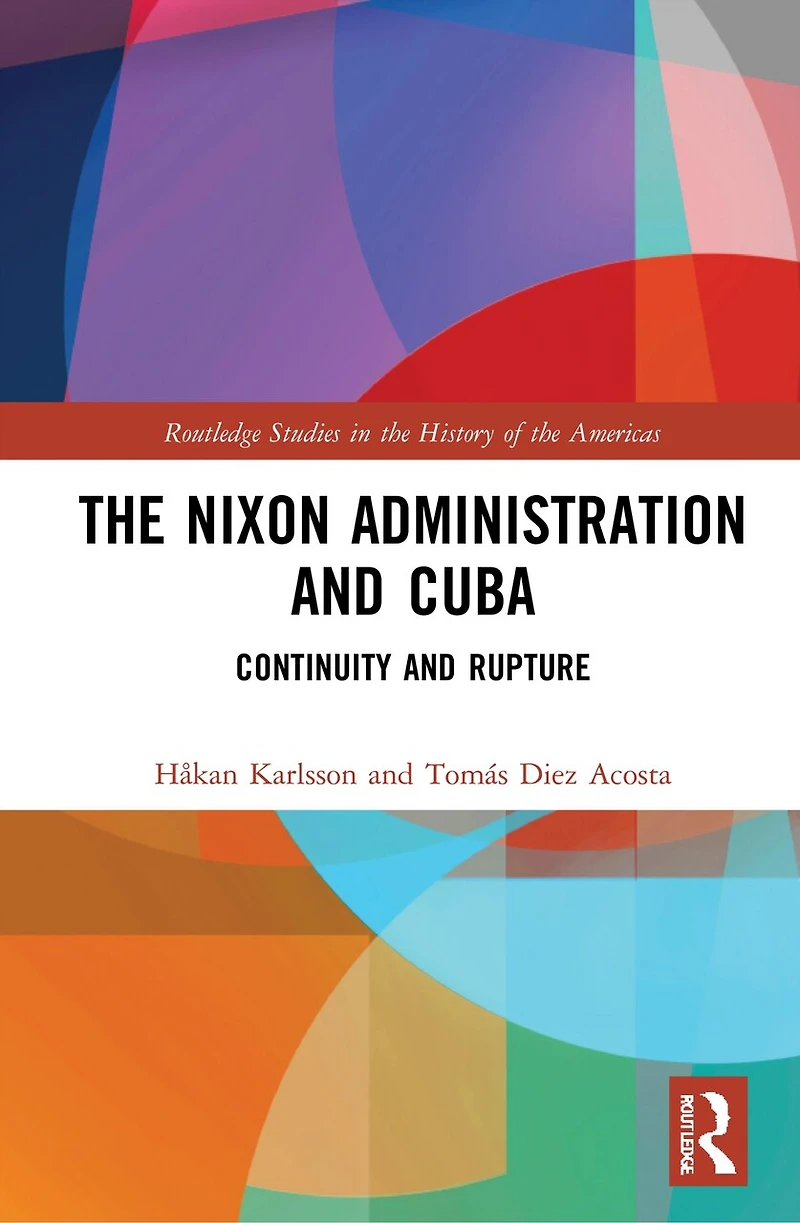
The Nixon Administration and Cuba: Continuity Rupture in Ottawa, ON
Current price: $296.50

The Nixon Administration and Cuba: Continuity Rupture in Ottawa, ON
Current price: $296.50
Loading Inventory...
Size: Hardcover
*Product information may vary - to confirm product availability, pricing, shipping and return information please contact Coles
This book presents a detailed analysis of the U.S. policy that was adopted toward Cuba by the Richard M. Nixon administration between January 20, 1969, and August 8, 1974. Based on governmental, as well as other, sources from both the U.S. and Cuba, this book examines the rupture where the policy of "passive containment" was complemented with a policy of "dirty war." President Nixon attempted to reestablish a confrontational and violent path of action, and once again, Cuba was exposed to a "dirty war" consisting of different forms of aggressive terrorist activities. Since the conditions for this violent route had changed dramatically both in the U.S. and in Cuba, a policy characterized by a continuity of the economic and psychological warfare came to be the central one for the Nixon administration. This book is unique since it is written from a Cuban perspective, and it therefore complements and enriches the knowledge of the U.S.-Cuban relationship during the end of the 1960s and the beginning of the 1970s, and the policy adopted by the Nixon administration. It is of relevance to everyone interested in the issue, and especially for students and researchers within the disciplines of history and political science.
This book presents a detailed analysis of the U.S. policy that was adopted toward Cuba by the Richard M. Nixon administration between January 20, 1969, and August 8, 1974. Based on governmental, as well as other, sources from both the U.S. and Cuba, this book examines the rupture where the policy of "passive containment" was complemented with a policy of "dirty war." President Nixon attempted to reestablish a confrontational and violent path of action, and once again, Cuba was exposed to a "dirty war" consisting of different forms of aggressive terrorist activities. Since the conditions for this violent route had changed dramatically both in the U.S. and in Cuba, a policy characterized by a continuity of the economic and psychological warfare came to be the central one for the Nixon administration. This book is unique since it is written from a Cuban perspective, and it therefore complements and enriches the knowledge of the U.S.-Cuban relationship during the end of the 1960s and the beginning of the 1970s, and the policy adopted by the Nixon administration. It is of relevance to everyone interested in the issue, and especially for students and researchers within the disciplines of history and political science.
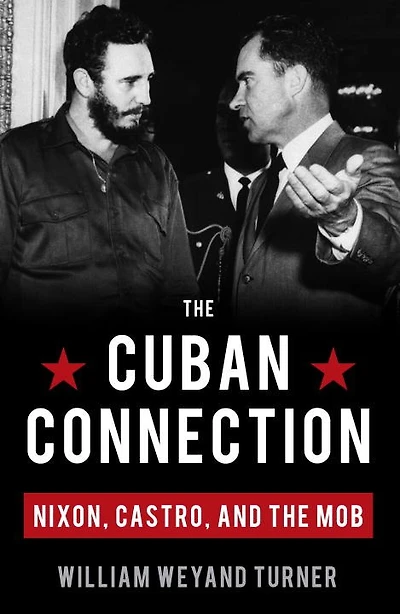
You May Also Like










More About Coles at Bayshore Shopping Centre
Coles is renowned for its outstanding customer service and great selection of books. Along with the vast array of magazines, stationary, audio-books, children's literature, fiction, non-fiction and reference books, you can find accessories to make your reading experience more pleasurable. We can recommend the very best in reading today. We will help you search our titles for exactly what you need, and if we do not have it in stock, we will order it for you.
100 Bayshore Dr, Nepean, ON K2B 8C1, Canada
Find Coles at Bayshore Shopping Centre in Ottawa, ON
Visit Coles at Bayshore Shopping Centre in Ottawa, ON