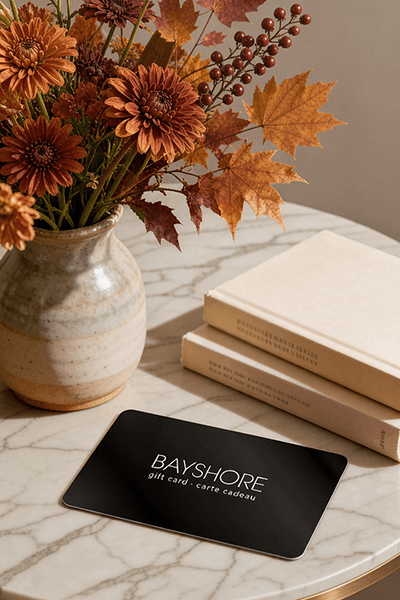
Too many options? Treat your friends and family to their favourite stores with a Bayshore Shopping Centre gift card, redeemable at participating retailers throughout the centre. Click below to purchase yours today!Purchase Here
Coles The Orce Man: Controversy, Media and Politics in Human Origins Research at Bayshore Shopping Centre in Ottawa, ON
*Product information may vary - to confirm product availability, pricing, shipping and return information please contact Coles
In The Orce Man: Controversy, Media and Politics in Human Origins Research , Miquel Carandell presents a thrilling story of a controversy on an Spanish “First European” that involved scientists, politicians and newspapers. In the early 1980s, with Spanish democracy in its beginnings, the Orce bone was transformed from a famous human ancestor to an apparently ridiculous donkey remain. With a chronological narrative, this book is not centered on whether the bone was human or not, but on the circumstances that made a certain claim credible or not, from both the scientific community and the general public. Carandell’s analysis draws on the thin line that separates success from failure and the role of media and politics in the controversy.
In The Orce Man: Controversy, Media and Politics in Human Origins Research , Miquel Carandell presents a thrilling story of a controversy on an Spanish “First European” that involved scientists, politicians and newspapers. In the early 1980s, with Spanish democracy in its beginnings, the Orce bone was transformed from a famous human ancestor to an apparently ridiculous donkey remain. With a chronological narrative, this book is not centered on whether the bone was human or not, but on the circumstances that made a certain claim credible or not, from both the scientific community and the general public. Carandell’s analysis draws on the thin line that separates success from failure and the role of media and politics in the controversy.
Coles is renowned for its outstanding customer service and great selection of books. Along with the vast array of magazines, stationary, audio-books, children's literature, fiction, non-fiction and reference books, you can find accessories to make your reading experience more pleasurable. We can recommend the very best in reading today. We will help you search our titles for exactly what you need, and if we do not have it in stock, we will order it for you.