

Give the Gift of Choice!
Too many options? Treat your friends and family to their favourite stores with a Bayshore Shopping Centre gift card, redeemable at participating retailers throughout the centre. Click below to purchase yours today!Purchase HereHome
The Other Side of The Blanket - A New Science of Attachment, Boundaries and Patterns
Coles
Loading Inventory...
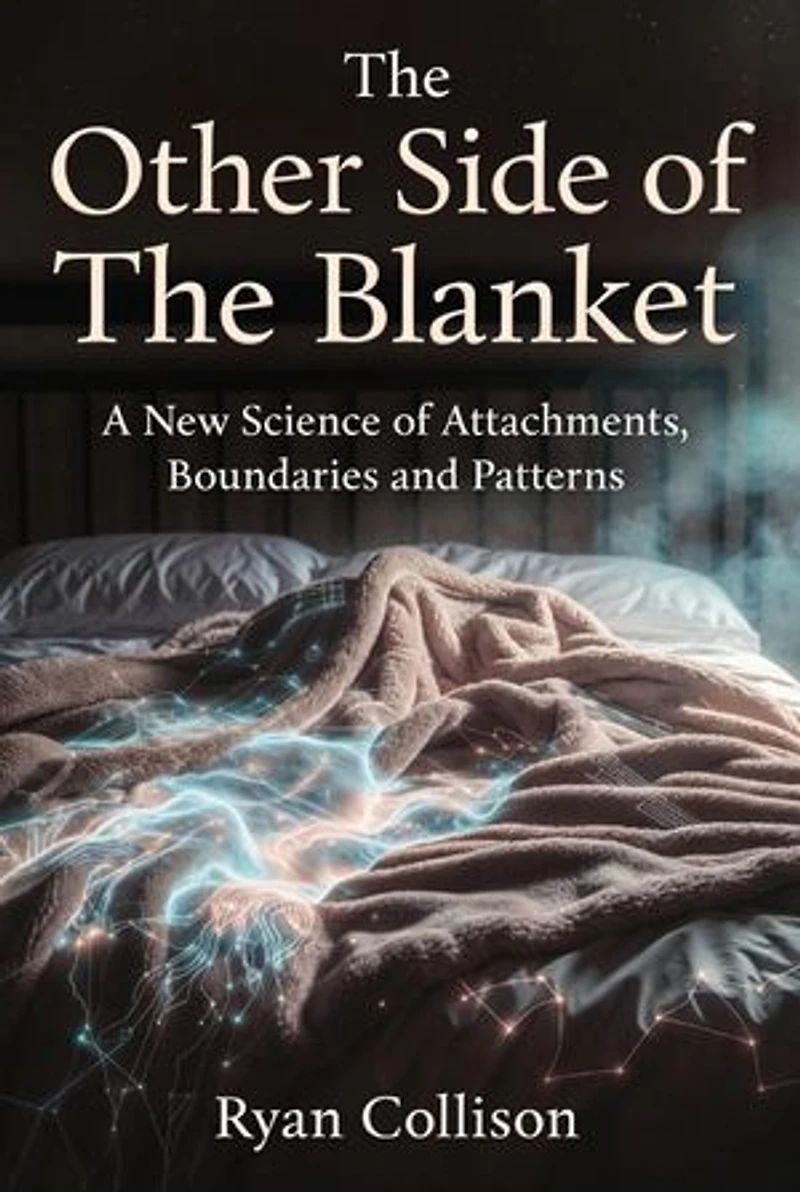
The Other Side of The Blanket - A New Science of Attachment, Boundaries and Patterns in Ottawa, ON
Current price: $6.99

The Other Side of The Blanket - A New Science of Attachment, Boundaries and Patterns in Ottawa, ON
Current price: $6.99
Loading Inventory...
Size: Kobo eBook
*Product information may vary - to confirm product availability, pricing, shipping and return information please contact Coles
Your love life is a prediction engine. Every fight that came out of nowhere, every partner who felt like home for the wrong reasons, every pattern you swore you'd broken and then ran again; that's not a character flaw. That's a nervous system doing exactly what it was trained to do.
This book wires together three frameworks that have never been synthesized for a general audience: Karl Friston's active inference (the math of how your brain predicts everything), Stephen Porges' polyvagal theory (the neuroscience of why your body keeps score), and Donald Winnicott's object relations (the clinical tradition that understood what "good enough" actually means). The result is a unified model of why you love the way you love, why you suffer the way you suffer, and what it actually takes to change the pattern.
Not a diagnosis. Not a thirty-day plan. A lens that, once you see through it, you can't unsee.
Your love life is a prediction engine. Every fight that came out of nowhere, every partner who felt like home for the wrong reasons, every pattern you swore you'd broken and then ran again; that's not a character flaw. That's a nervous system doing exactly what it was trained to do.
This book wires together three frameworks that have never been synthesized for a general audience: Karl Friston's active inference (the math of how your brain predicts everything), Stephen Porges' polyvagal theory (the neuroscience of why your body keeps score), and Donald Winnicott's object relations (the clinical tradition that understood what "good enough" actually means). The result is a unified model of why you love the way you love, why you suffer the way you suffer, and what it actually takes to change the pattern.
Not a diagnosis. Not a thirty-day plan. A lens that, once you see through it, you can't unsee.
You May Also Like














More About Coles at Bayshore Shopping Centre
Coles is renowned for its outstanding customer service and great selection of books. Along with the vast array of magazines, stationary, audio-books, children's literature, fiction, non-fiction and reference books, you can find accessories to make your reading experience more pleasurable. We can recommend the very best in reading today. We will help you search our titles for exactly what you need, and if we do not have it in stock, we will order it for you.
100 Bayshore Dr, Nepean, ON K2B 8C1, Canada
Find Coles at Bayshore Shopping Centre in Ottawa, ON
Visit Coles at Bayshore Shopping Centre in Ottawa, ON