

Give the Gift of Choice!
Too many options? Treat your friends and family to their favourite stores with a Bayshore Shopping Centre gift card, redeemable at participating retailers throughout the centre. Click below to purchase yours today!Purchase HereHome
the Ownership of Firm, Corporate Finance, and Derivatives: Some Critical Thinking
Coles
Loading Inventory...
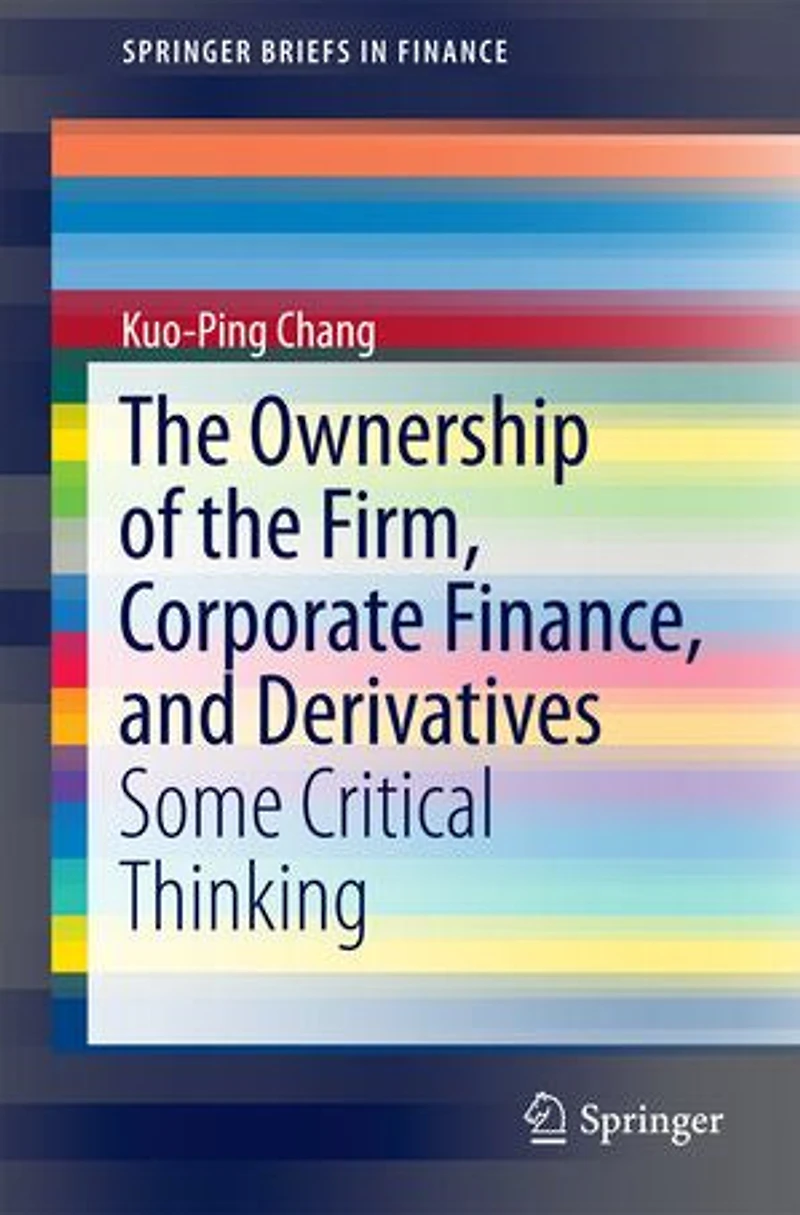
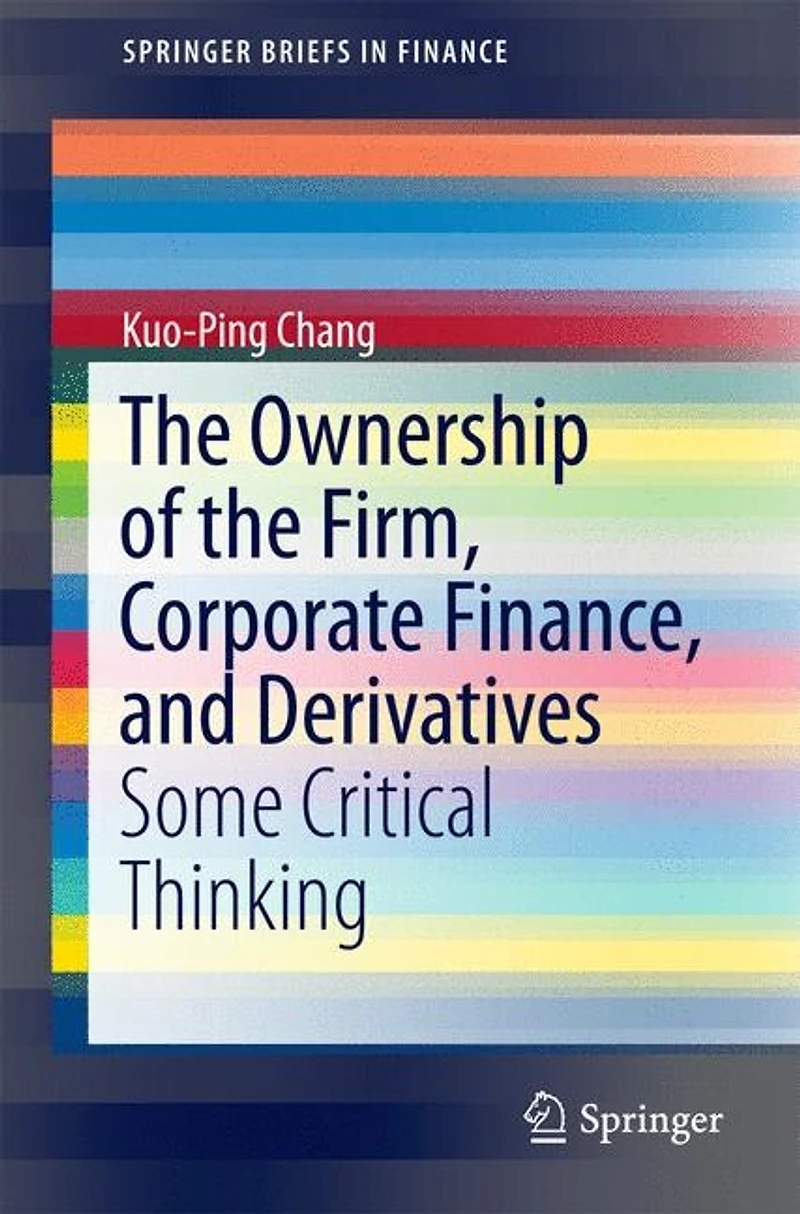
the Ownership of Firm, Corporate Finance, and Derivatives: Some Critical Thinking in Ottawa, ON
Current price: $64.49
Original price: $80.62

the Ownership of Firm, Corporate Finance, and Derivatives: Some Critical Thinking in Ottawa, ON
Current price: $64.49
Original price: $80.62
Loading Inventory...
Size: Kobo eBook
*Product information may vary - to confirm product availability, pricing, shipping and return information please contact Coles
This book clarifies several ambiguous arguments and claims in finance and the theory of the firm. It also serves as a bridge between derivatives, corporate finance and the theory of the firm. In addition to mathematical derivations and theories, the book also uses anecdotes and numerical examples to explain some unconventional concepts. The main arguments of the book are: (1) the ownership of the firm is not a valid concept, and firms' objectives are determined by entrepreneurs who can innovate to earn excess profits; (2) the Modigliani-Miller capital structure irrelevancy proposition is a restatement of the Coase theorem, and changes in the firm's debt-equity ratio will not affect equity-holders' wealth (welfare), and equity-holders' preferences toward risk (or variance) are irrelevant; (3) all firms' resources are options, and every asset is both a European call and a put option for any other asset; and (4) that a first or residual claim between debt and equity is non-existent while the first claim among fixed-income assets can actually affect the market values of these assets.
This book clarifies several ambiguous arguments and claims in finance and the theory of the firm. It also serves as a bridge between derivatives, corporate finance and the theory of the firm. In addition to mathematical derivations and theories, the book also uses anecdotes and numerical examples to explain some unconventional concepts. The main arguments of the book are: (1) the ownership of the firm is not a valid concept, and firms' objectives are determined by entrepreneurs who can innovate to earn excess profits; (2) the Modigliani-Miller capital structure irrelevancy proposition is a restatement of the Coase theorem, and changes in the firm's debt-equity ratio will not affect equity-holders' wealth (welfare), and equity-holders' preferences toward risk (or variance) are irrelevant; (3) all firms' resources are options, and every asset is both a European call and a put option for any other asset; and (4) that a first or residual claim between debt and equity is non-existent while the first claim among fixed-income assets can actually affect the market values of these assets.













More About Coles at Bayshore Shopping Centre
Coles is renowned for its outstanding customer service and great selection of books. Along with the vast array of magazines, stationary, audio-books, children's literature, fiction, non-fiction and reference books, you can find accessories to make your reading experience more pleasurable. We can recommend the very best in reading today. We will help you search our titles for exactly what you need, and if we do not have it in stock, we will order it for you.
100 Bayshore Dr, Nepean, ON K2B 8C1, Canada
Find Coles at Bayshore Shopping Centre in Ottawa, ON
Visit Coles at Bayshore Shopping Centre in Ottawa, ON