

Give the Gift of Choice!
Too many options? Treat your friends and family to their favourite stores with a Bayshore Shopping Centre gift card, redeemable at participating retailers throughout the centre. Click below to purchase yours today!Purchase HereHome
The Palgrave Handbook of Comparative Economics
Coles
Loading Inventory...
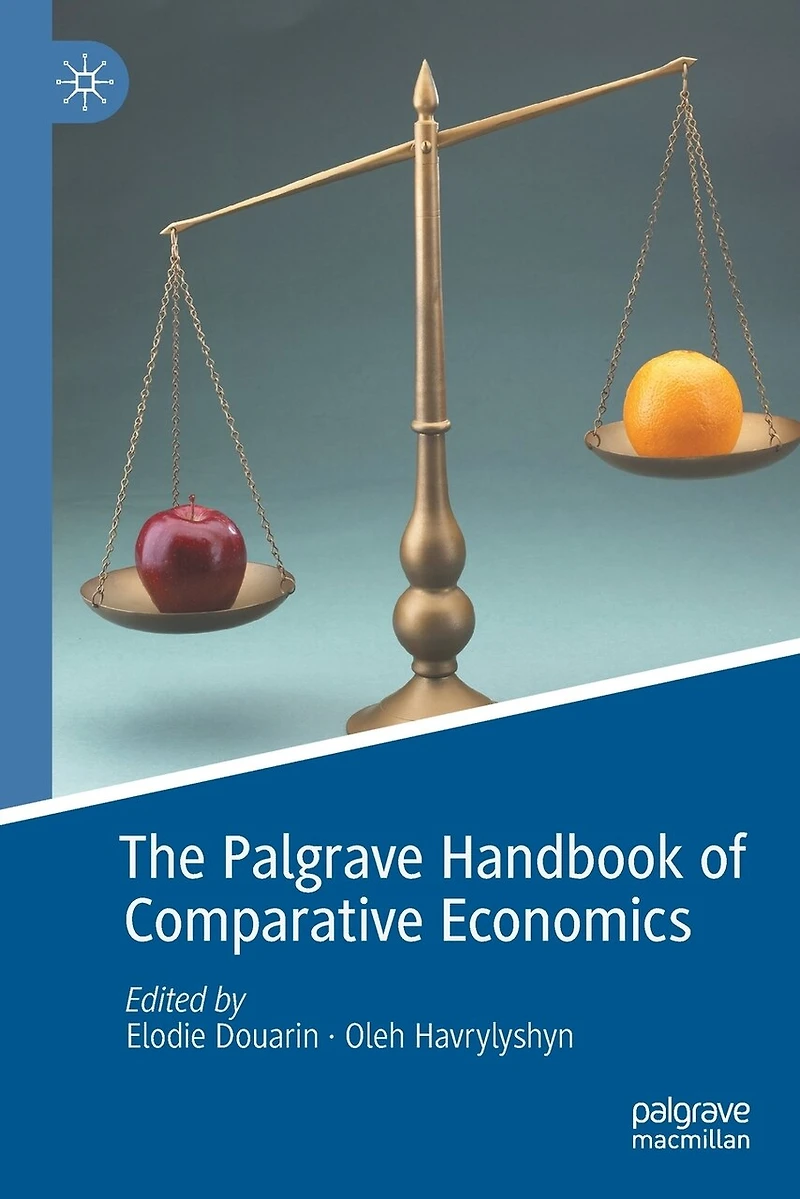
The Palgrave Handbook of Comparative Economics in Ottawa, ON
Current price: $437.95

The Palgrave Handbook of Comparative Economics in Ottawa, ON
Current price: $437.95
Loading Inventory...
Size: Paperback
*Product information may vary - to confirm product availability, pricing, shipping and return information please contact Coles
This book aims to define comparative economics and to illustrate the breadth and depth of its contribution. It starts with an historiography of the field, arguing for a continued legacy of comparative economic systems, which compared socialism and capitalism, a field which some argued should have been replaced by institutional economics after the fall of the Berlin Wall. The process of transition to market capitalism is reviewed, and itself exemplifies a new combination of comparative analysis with a focus on institutional development. Going beyond, chapters broadening the application of comparative analysis and applying it to new issues and approaches, including the role and definition of institutions, subjective wellbeing, inequality, populism, demography, and novel methodologies. Overall, comparative economics has evolved in the past 30 years, and remains a powerful approach for analyzing important issues.
This book aims to define comparative economics and to illustrate the breadth and depth of its contribution. It starts with an historiography of the field, arguing for a continued legacy of comparative economic systems, which compared socialism and capitalism, a field which some argued should have been replaced by institutional economics after the fall of the Berlin Wall. The process of transition to market capitalism is reviewed, and itself exemplifies a new combination of comparative analysis with a focus on institutional development. Going beyond, chapters broadening the application of comparative analysis and applying it to new issues and approaches, including the role and definition of institutions, subjective wellbeing, inequality, populism, demography, and novel methodologies. Overall, comparative economics has evolved in the past 30 years, and remains a powerful approach for analyzing important issues.
You May Also Like


















More About Coles at Bayshore Shopping Centre
Coles is renowned for its outstanding customer service and great selection of books. Along with the vast array of magazines, stationary, audio-books, children's literature, fiction, non-fiction and reference books, you can find accessories to make your reading experience more pleasurable. We can recommend the very best in reading today. We will help you search our titles for exactly what you need, and if we do not have it in stock, we will order it for you.
100 Bayshore Dr, Nepean, ON K2B 8C1, Canada
Find Coles at Bayshore Shopping Centre in Ottawa, ON
Visit Coles at Bayshore Shopping Centre in Ottawa, ON