

Give the Gift of Choice!
Too many options? Treat your friends and family to their favourite stores with a Bayshore Shopping Centre gift card, redeemable at participating retailers throughout the centre. Click below to purchase yours today!Purchase HereHome
The Parasite-Stress Theory of Values and Sociality: Infectious Disease, History Human Worldwide
Coles
Loading Inventory...
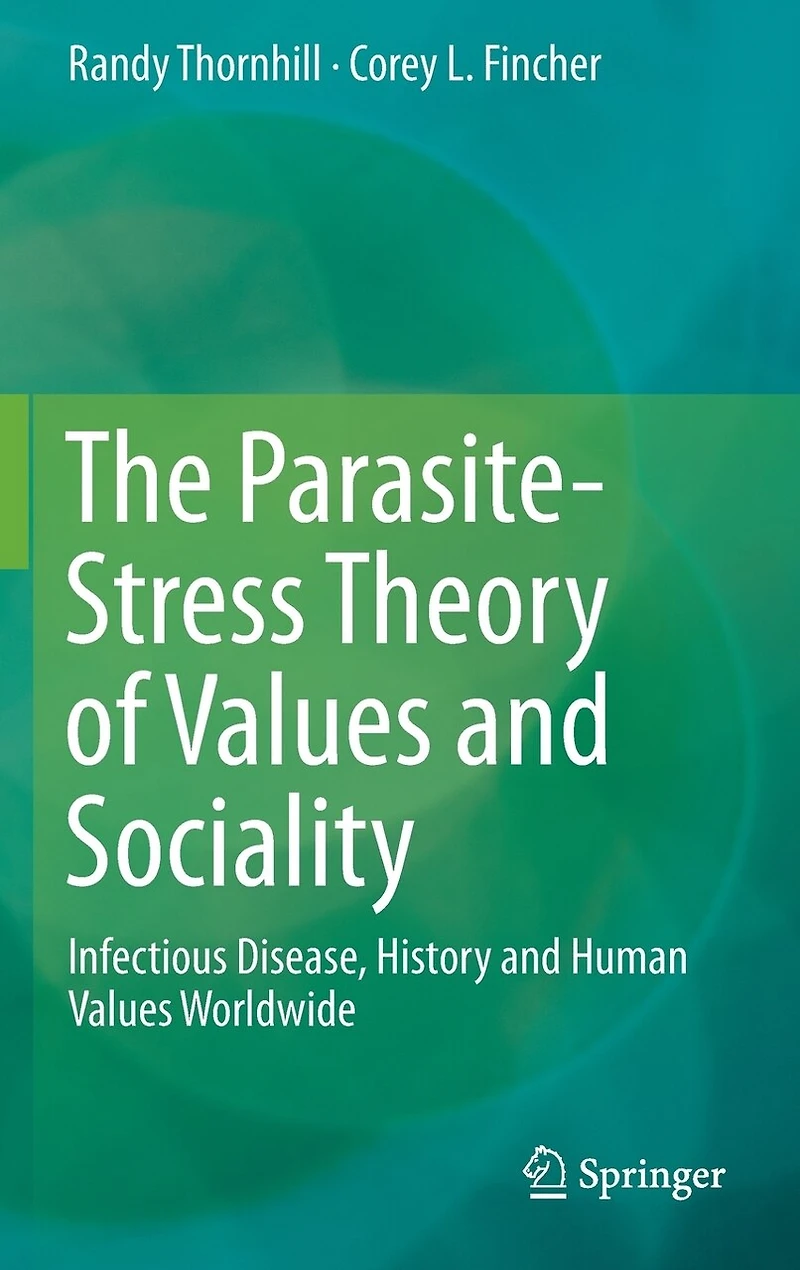
The Parasite-Stress Theory of Values and Sociality: Infectious Disease, History Human Worldwide in Ottawa, ON
Current price: $321.50

The Parasite-Stress Theory of Values and Sociality: Infectious Disease, History Human Worldwide in Ottawa, ON
Current price: $321.50
Loading Inventory...
Size: Hardcover
*Product information may vary - to confirm product availability, pricing, shipping and return information please contact Coles
This book develops and tests an ecological and evolutionary theory of the causes of human values-the core beliefs that guide people's cognition and behavior-and their variation across time and space around the world. We call this theory the parasite-stress theory of values or the parasite-stress theory of sociality. The evidence we present in our book indicates that both a wide span of human affairs and major aspects of human cultural diversity can be understood in light of variable parasite (infectious disease) stress and the range of value systems evoked by variable parasite stress. The same evidence supports the hypothesis that people have psychological adaptations that function to adopt values dependent upon local infectious-disease adversity. The authors have identified key variables, variation in infectious disease adversity and in the core values it evokes, for understanding these topics and in novel and encompassing ways. Although the human species is the focus in the book, evidence presented in the book shows that the parasite-stress theory of sociality informs other topics in ecology and evolutionary biology such as variable family organization and speciation processes and biological diversity in general in non-human animals.
This book develops and tests an ecological and evolutionary theory of the causes of human values-the core beliefs that guide people's cognition and behavior-and their variation across time and space around the world. We call this theory the parasite-stress theory of values or the parasite-stress theory of sociality. The evidence we present in our book indicates that both a wide span of human affairs and major aspects of human cultural diversity can be understood in light of variable parasite (infectious disease) stress and the range of value systems evoked by variable parasite stress. The same evidence supports the hypothesis that people have psychological adaptations that function to adopt values dependent upon local infectious-disease adversity. The authors have identified key variables, variation in infectious disease adversity and in the core values it evokes, for understanding these topics and in novel and encompassing ways. Although the human species is the focus in the book, evidence presented in the book shows that the parasite-stress theory of sociality informs other topics in ecology and evolutionary biology such as variable family organization and speciation processes and biological diversity in general in non-human animals.
You May Also Like













More About Coles at Bayshore Shopping Centre
Coles is renowned for its outstanding customer service and great selection of books. Along with the vast array of magazines, stationary, audio-books, children's literature, fiction, non-fiction and reference books, you can find accessories to make your reading experience more pleasurable. We can recommend the very best in reading today. We will help you search our titles for exactly what you need, and if we do not have it in stock, we will order it for you.
100 Bayshore Dr, Nepean, ON K2B 8C1, Canada
Find Coles at Bayshore Shopping Centre in Ottawa, ON
Visit Coles at Bayshore Shopping Centre in Ottawa, ON