

Give the Gift of Choice!
Too many options? Treat your friends and family to their favourite stores with a Bayshore Shopping Centre gift card, redeemable at participating retailers throughout the centre. Click below to purchase yours today!Purchase HereHome
The Peace Corps in South America: Volunteers and the Global War on Poverty in the 1960s
Coles
Loading Inventory...
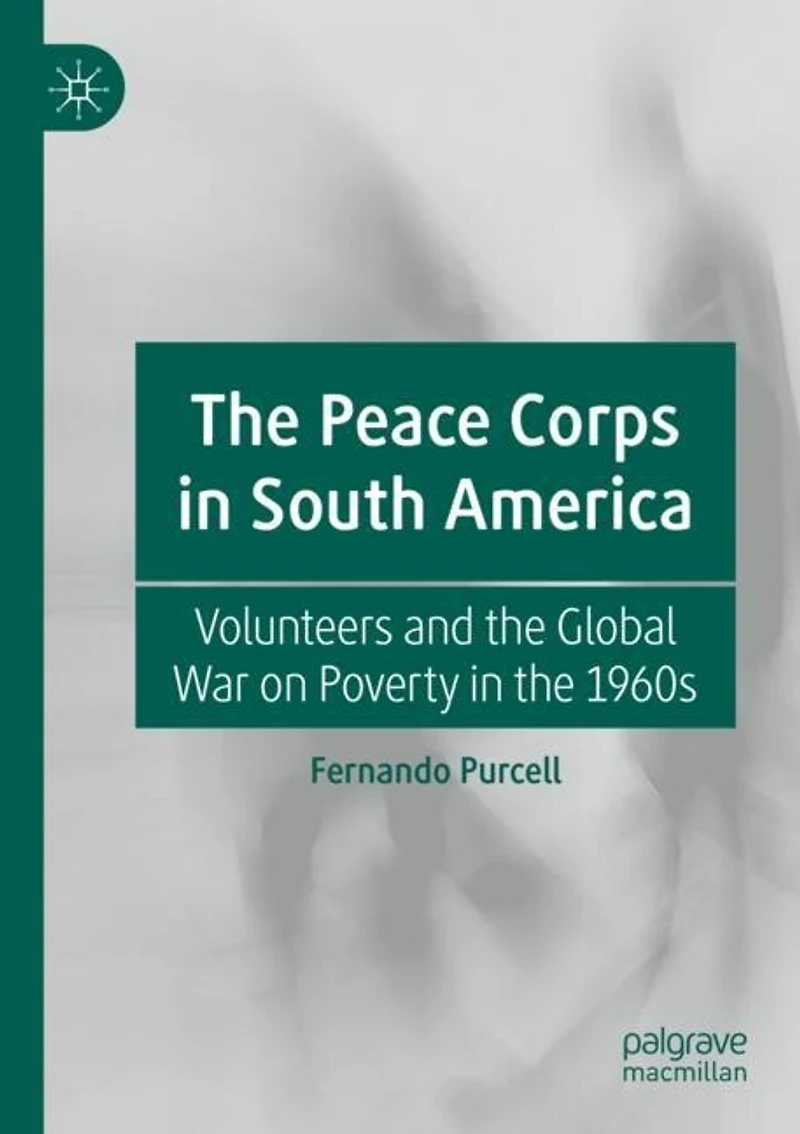
The Peace Corps in South America: Volunteers and the Global War on Poverty in the 1960s in Ottawa, ON
Current price: $80.50

The Peace Corps in South America: Volunteers and the Global War on Poverty in the 1960s in Ottawa, ON
Current price: $80.50
Loading Inventory...
Size: Paperback
*Product information may vary - to confirm product availability, pricing, shipping and return information please contact Coles
In the 1960s, twenty-thousand young Americans landed in South America to serve as Peace Corps volunteers. The program was hailed by President John F. Kennedy and by volunteers themselves as an exceptional initiative to end global poverty. In practice, it was another front for fighting the Cold War and promoting American interests in the Global South. This book examines how this ideological project played out on the ground as volunteers encountered a range of local actors and agencies engaged in anti-poverty efforts of their own. As they negotiated the complexities of community intervention, these volunteers faced conflicts and frustrations, struggled to adapt, and gradually transformed the Peace Corps of the 1960s into a truly global, decentralized institution. Drawing on letters, diaries, reports, and newsletters created by volunteers themselves, Fernando Purcell shows how their experiences offer an invaluable perspective on local manifestations of the global Cold War.
In the 1960s, twenty-thousand young Americans landed in South America to serve as Peace Corps volunteers. The program was hailed by President John F. Kennedy and by volunteers themselves as an exceptional initiative to end global poverty. In practice, it was another front for fighting the Cold War and promoting American interests in the Global South. This book examines how this ideological project played out on the ground as volunteers encountered a range of local actors and agencies engaged in anti-poverty efforts of their own. As they negotiated the complexities of community intervention, these volunteers faced conflicts and frustrations, struggled to adapt, and gradually transformed the Peace Corps of the 1960s into a truly global, decentralized institution. Drawing on letters, diaries, reports, and newsletters created by volunteers themselves, Fernando Purcell shows how their experiences offer an invaluable perspective on local manifestations of the global Cold War.
You May Also Like







More About Coles at Bayshore Shopping Centre
Coles is renowned for its outstanding customer service and great selection of books. Along with the vast array of magazines, stationary, audio-books, children's literature, fiction, non-fiction and reference books, you can find accessories to make your reading experience more pleasurable. We can recommend the very best in reading today. We will help you search our titles for exactly what you need, and if we do not have it in stock, we will order it for you.
100 Bayshore Dr, Nepean, ON K2B 8C1, Canada
Find Coles at Bayshore Shopping Centre in Ottawa, ON
Visit Coles at Bayshore Shopping Centre in Ottawa, ON