

Give the Gift of Choice!
Too many options? Treat your friends and family to their favourite stores with a Bayshore Shopping Centre gift card, redeemable at participating retailers throughout the centre. Click below to purchase yours today!Purchase HereHome
The Perfecting of Nature: Reforming Bodies Antebellum Literature
Coles
Loading Inventory...
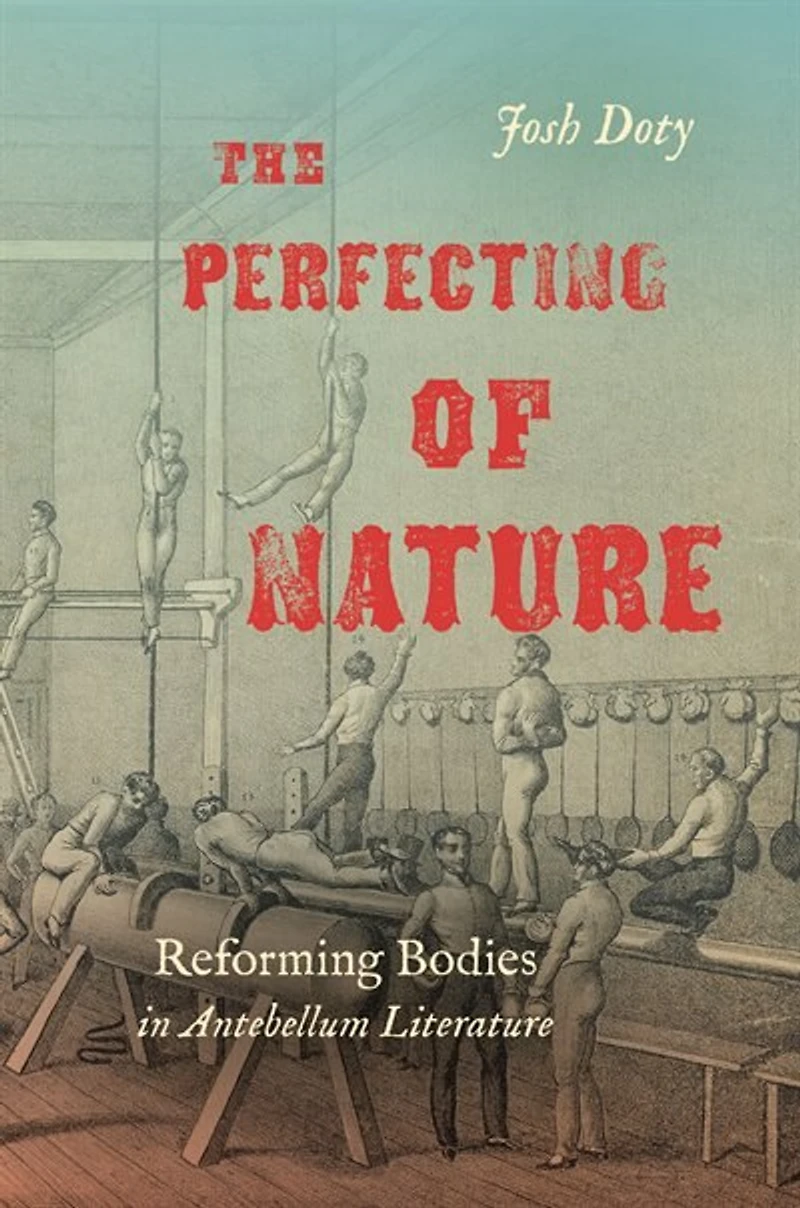
The Perfecting of Nature: Reforming Bodies Antebellum Literature in Ottawa, ON
Current price: $141.95

The Perfecting of Nature: Reforming Bodies Antebellum Literature in Ottawa, ON
Current price: $141.95
Loading Inventory...
Size: Hardcover
*Product information may vary - to confirm product availability, pricing, shipping and return information please contact Coles
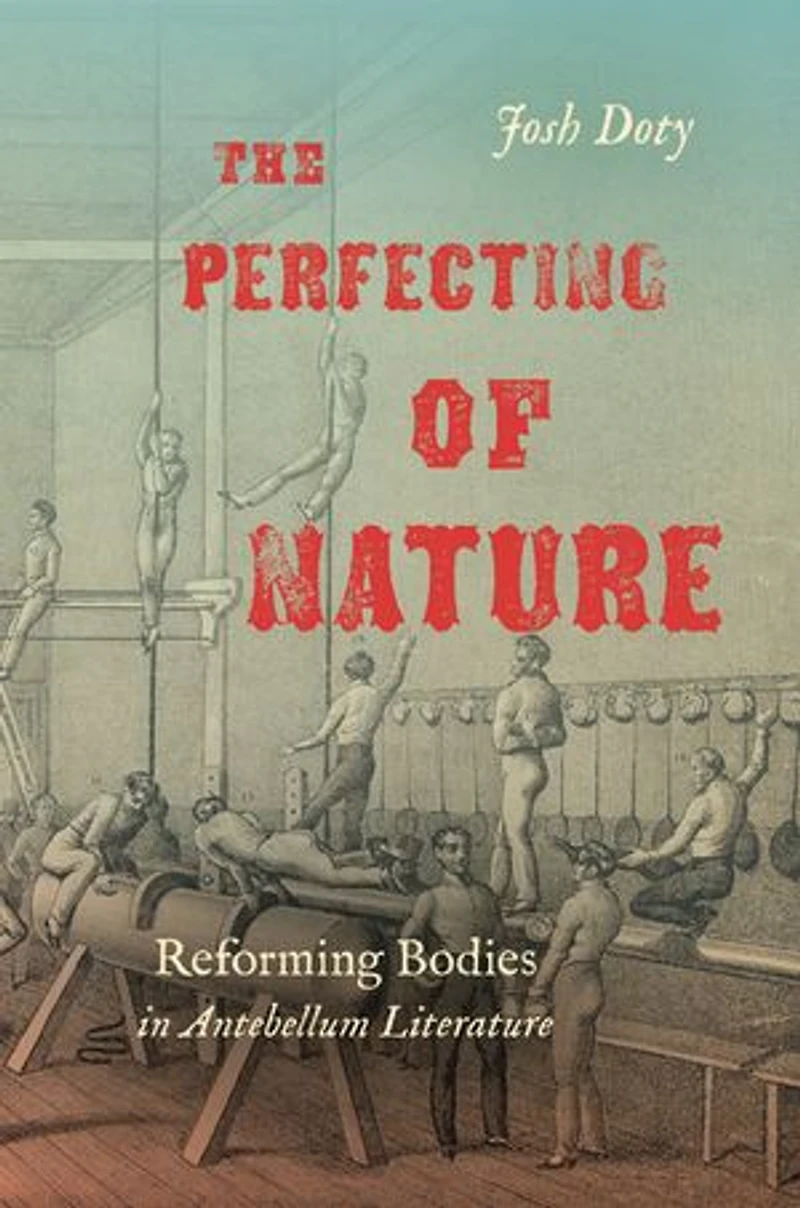
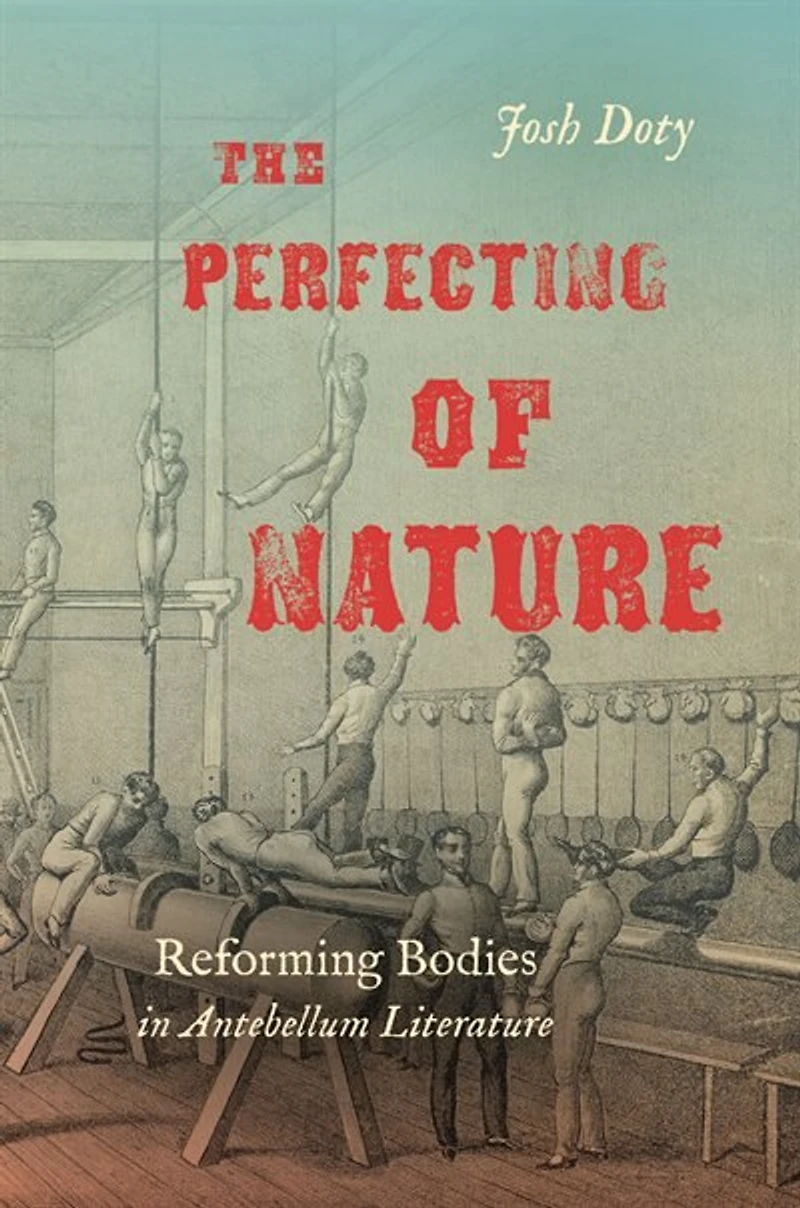
The nineteenth century saw a marked change in how Americans viewed and understood the human form. These new ways of understanding the body reflect how Americans were beginning to see the body’s constituent parts as interconnected. From the transcendentalists’ idealized concept of self to the rise of Darwinian theory after the Civil War, the era and its writers redefined the human body as both deeply reactive and malleable. Josh Doty explores antebellum American conceptions of bioplasticity—the body’s ability to react and change from interior and exterior forces—and argues that literature helped to shape the cultural reception of these ideas. These new ways of thinking about the body’s responsiveness to its surroundings enabled exercise fanatics, cold-water bathers, cookbook authors, and everyday readers to understand the tractable body as a way to reform the United States at the physiological level.
Doty weaves together analysis of religious texts, nutritional guides, and canonical literature to show the fluid relationship among bodies, literature, and culture in nineteenth-century America.
The nineteenth century saw a marked change in how Americans viewed and understood the human form. These new ways of understanding the body reflect how Americans were beginning to see the body’s constituent parts as interconnected. From the transcendentalists’ idealized concept of self to the rise of Darwinian theory after the Civil War, the era and its writers redefined the human body as both deeply reactive and malleable. Josh Doty explores antebellum American conceptions of bioplasticity—the body’s ability to react and change from interior and exterior forces—and argues that literature helped to shape the cultural reception of these ideas. These new ways of thinking about the body’s responsiveness to its surroundings enabled exercise fanatics, cold-water bathers, cookbook authors, and everyday readers to understand the tractable body as a way to reform the United States at the physiological level.
Doty weaves together analysis of religious texts, nutritional guides, and canonical literature to show the fluid relationship among bodies, literature, and culture in nineteenth-century America.
You May Also Like















More About Coles at Bayshore Shopping Centre
Coles is renowned for its outstanding customer service and great selection of books. Along with the vast array of magazines, stationary, audio-books, children's literature, fiction, non-fiction and reference books, you can find accessories to make your reading experience more pleasurable. We can recommend the very best in reading today. We will help you search our titles for exactly what you need, and if we do not have it in stock, we will order it for you.
100 Bayshore Dr, Nepean, ON K2B 8C1, Canada
Find Coles at Bayshore Shopping Centre in Ottawa, ON
Visit Coles at Bayshore Shopping Centre in Ottawa, ON