

Give the Gift of Choice!
Too many options? Treat your friends and family to their favourite stores with a Bayshore Shopping Centre gift card, redeemable at participating retailers throughout the centre. Click below to purchase yours today!Purchase HereHome
The Performing Arts Contemporary China
Coles
Loading Inventory...
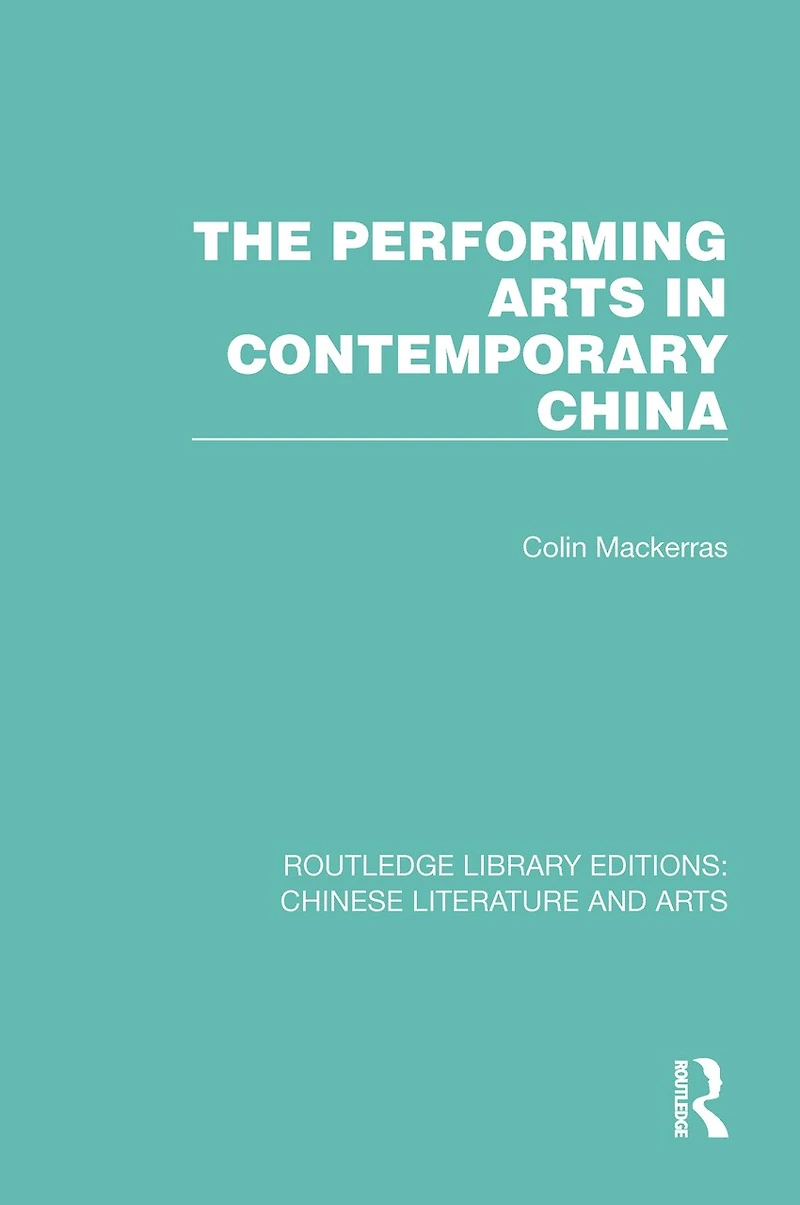
The Performing Arts Contemporary China in Ottawa, ON
Current price: $236.95

The Performing Arts Contemporary China in Ottawa, ON
Current price: $236.95
Loading Inventory...
Size: Hardcover
*Product information may vary - to confirm product availability, pricing, shipping and return information please contact Coles
The overthrow of the 'gang of four' in 1976 had profound effects in all areas of Chinese society, and probably nowhere can this be seen more clearly than in the performing arts. Jiang Qing, Mao Zedong's widow, was strongly interested in the performing arts and exercised great influence over them. Professor Mackerras describes this influence and the effects its removal had on the arts in the years after Mao's death, as well as in the years following the Cultural Revolution. This book, first published in 1981, deals not only with opera, the spoken play, music and dance but also with cinema, describing how in all these cases the Chinese have adapted traditional art forms for political, social and propagandist purposes, both domestic and international. It charts the transformations that have taken place in all the multiple aspects of the performing arts and sets them against the development of Chinese society as a whole. It also looks at the role of the actor and performer in society, including their training, social status and livelihood.
The overthrow of the 'gang of four' in 1976 had profound effects in all areas of Chinese society, and probably nowhere can this be seen more clearly than in the performing arts. Jiang Qing, Mao Zedong's widow, was strongly interested in the performing arts and exercised great influence over them. Professor Mackerras describes this influence and the effects its removal had on the arts in the years after Mao's death, as well as in the years following the Cultural Revolution. This book, first published in 1981, deals not only with opera, the spoken play, music and dance but also with cinema, describing how in all these cases the Chinese have adapted traditional art forms for political, social and propagandist purposes, both domestic and international. It charts the transformations that have taken place in all the multiple aspects of the performing arts and sets them against the development of Chinese society as a whole. It also looks at the role of the actor and performer in society, including their training, social status and livelihood.
You May Also Like







More About Coles at Bayshore Shopping Centre
Coles is renowned for its outstanding customer service and great selection of books. Along with the vast array of magazines, stationary, audio-books, children's literature, fiction, non-fiction and reference books, you can find accessories to make your reading experience more pleasurable. We can recommend the very best in reading today. We will help you search our titles for exactly what you need, and if we do not have it in stock, we will order it for you.
100 Bayshore Dr, Nepean, ON K2B 8C1, Canada
Find Coles at Bayshore Shopping Centre in Ottawa, ON
Visit Coles at Bayshore Shopping Centre in Ottawa, ON