

Give the Gift of Choice!
Too many options? Treat your friends and family to their favourite stores with a Bayshore Shopping Centre gift card, redeemable at participating retailers throughout the centre. Click below to purchase yours today!Purchase HereHome
the Philippines and International Monetary Fund Negotiations on Petroleum Imports: Toward a Theory of Negotiatio: Negotiation
Coles
Loading Inventory...
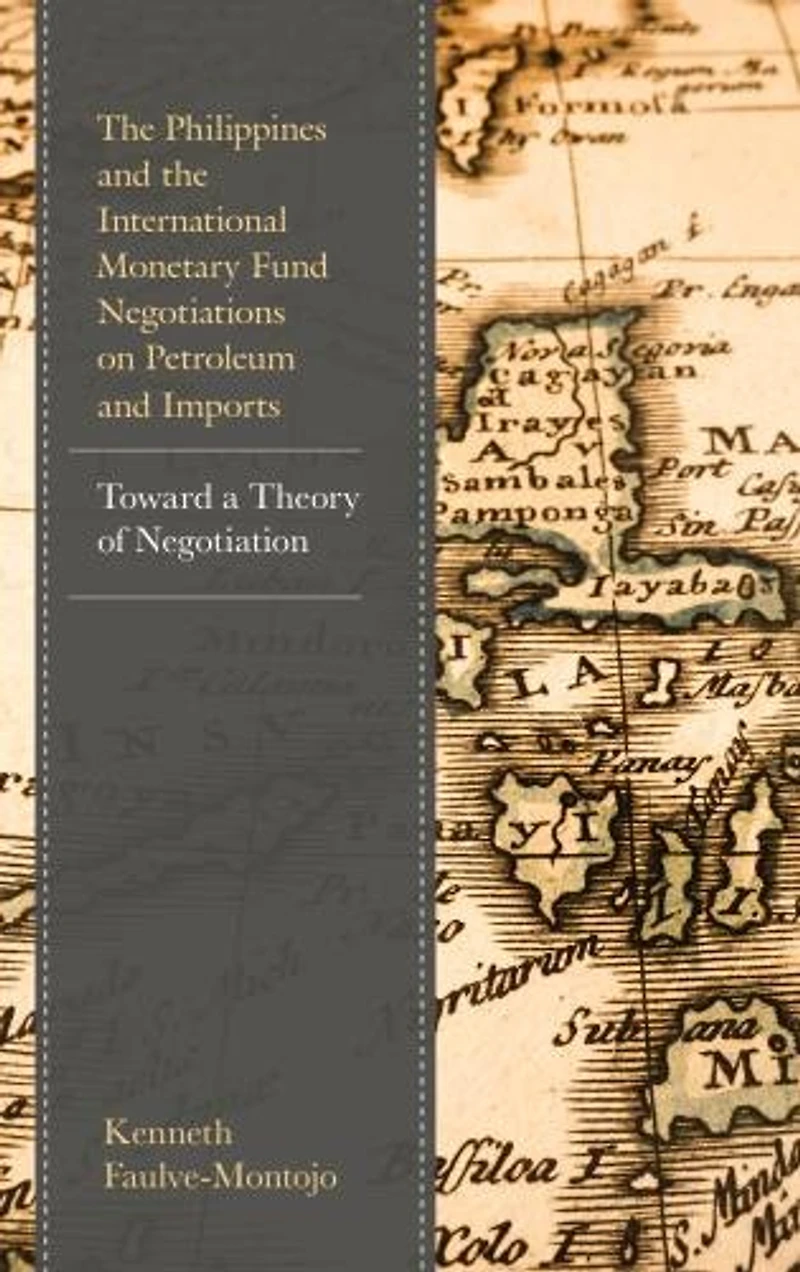
the Philippines and International Monetary Fund Negotiations on Petroleum Imports: Toward a Theory of Negotiatio: Negotiation in Ottawa, ON
Current price: $219.50

the Philippines and International Monetary Fund Negotiations on Petroleum Imports: Toward a Theory of Negotiatio: Negotiation in Ottawa, ON
Current price: $219.50
Loading Inventory...
Size: Hardcover
*Product information may vary - to confirm product availability, pricing, shipping and return information please contact Coles
In their negotiations with the International Monetary Fund, Philippine chief negotiators attempt to build coalitions to implement reform. Deference and “External-Internal” sequencing tactics are quite common, but the theoretical literature has not examined the conditions under which they are effective or marginalized. This study uses a “Within-Case Study Method of Causal Inference” to examine twenty-four observations from the years 1984-1994 that examine the interaction of the Philippine chief economic negotiators with the IMF, the Chief of Governments, international and domestic, and cabinet and societal veto players on the issues of petroleum price and import reforms. Through this approach, the study rules out alternative deductive system level theories to explain economic outcomes; refines the two-level game framework, generates a midrange typology on the pattern of successes and failures of the negotiations, and provides recommendations on manipulable variables for policy makers. The study suggests that these tactics are constrained by the leverage and signal provided by international veto players and the interaction between formal and informal domestic institutions.
In their negotiations with the International Monetary Fund, Philippine chief negotiators attempt to build coalitions to implement reform. Deference and “External-Internal” sequencing tactics are quite common, but the theoretical literature has not examined the conditions under which they are effective or marginalized. This study uses a “Within-Case Study Method of Causal Inference” to examine twenty-four observations from the years 1984-1994 that examine the interaction of the Philippine chief economic negotiators with the IMF, the Chief of Governments, international and domestic, and cabinet and societal veto players on the issues of petroleum price and import reforms. Through this approach, the study rules out alternative deductive system level theories to explain economic outcomes; refines the two-level game framework, generates a midrange typology on the pattern of successes and failures of the negotiations, and provides recommendations on manipulable variables for policy makers. The study suggests that these tactics are constrained by the leverage and signal provided by international veto players and the interaction between formal and informal domestic institutions.
You May Also Like











More About Coles at Bayshore Shopping Centre
Coles is renowned for its outstanding customer service and great selection of books. Along with the vast array of magazines, stationary, audio-books, children's literature, fiction, non-fiction and reference books, you can find accessories to make your reading experience more pleasurable. We can recommend the very best in reading today. We will help you search our titles for exactly what you need, and if we do not have it in stock, we will order it for you.
100 Bayshore Dr, Nepean, ON K2B 8C1, Canada
Find Coles at Bayshore Shopping Centre in Ottawa, ON
Visit Coles at Bayshore Shopping Centre in Ottawa, ON