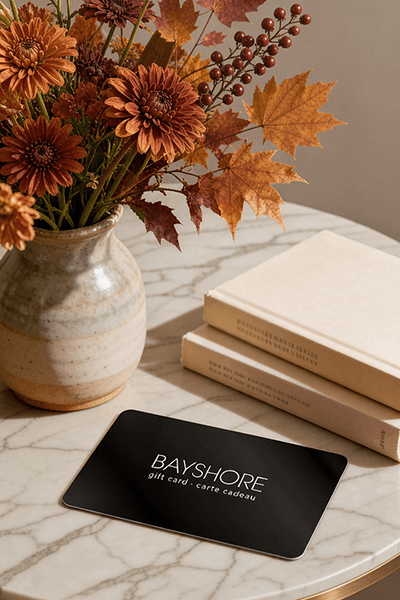
Too many options? Treat your friends and family to their favourite stores with a Bayshore Shopping Centre gift card, redeemable at participating retailers throughout the centre. Click below to purchase yours today!Purchase Here
Coles The Philological Museum at Bayshore Shopping Centre in Ottawa, ON
*Product information may vary - to confirm product availability, pricing, shipping and return information please contact Coles
This short-lived classical journal (1831–3), edited by Julius Charles Hare (1795–1855) and Connop Newell Thirlwall (1797–1875), both fellows of Trinity College, Cambridge, disseminated the new comparative philology. Developed primarily in Germany – both editors were fluent German speakers – this approach critiqued biblical and classical texts and was associated with a liberal Christianity which brought the editors into conflict with the university's religious conservatism. Hare left Cambridge in 1832 to take up the family living in Herstmonceaux, Sussex, while Thirlwall was dismissed in 1834 for supporting the admission of dissenters. Both editors nevertheless continued with ecclesiastical careers, Thirlwall becoming bishop of St David's and Hare archdeacon of Lewes. This 1832 volume, containing the journal's first three issues, illuminates the tensions between classical scholarship and Anglicanism as well as the development of specialised journals in an age of general literary reviews.
This short-lived classical journal (1831–3), edited by Julius Charles Hare (1795–1855) and Connop Newell Thirlwall (1797–1875), both fellows of Trinity College, Cambridge, disseminated the new comparative philology. Developed primarily in Germany – both editors were fluent German speakers – this approach critiqued biblical and classical texts and was associated with a liberal Christianity which brought the editors into conflict with the university's religious conservatism. Hare left Cambridge in 1832 to take up the family living in Herstmonceaux, Sussex, while Thirlwall was dismissed in 1834 for supporting the admission of dissenters. Both editors nevertheless continued with ecclesiastical careers, Thirlwall becoming bishop of St David's and Hare archdeacon of Lewes. This 1832 volume, containing the journal's first three issues, illuminates the tensions between classical scholarship and Anglicanism as well as the development of specialised journals in an age of general literary reviews.
Coles is renowned for its outstanding customer service and great selection of books. Along with the vast array of magazines, stationary, audio-books, children's literature, fiction, non-fiction and reference books, you can find accessories to make your reading experience more pleasurable. We can recommend the very best in reading today. We will help you search our titles for exactly what you need, and if we do not have it in stock, we will order it for you.