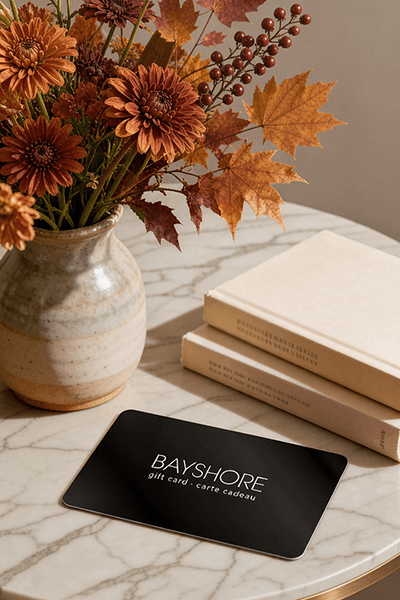
Too many options? Treat your friends and family to their favourite stores with a Bayshore Shopping Centre gift card, redeemable at participating retailers throughout the centre. Click below to purchase yours today!Purchase Here
Coles The Philosophical Life: Biography and the Crafting of Intellectual Identity in Late Antiquity at Bayshore Shopping Centre in Ottawa, ON
*Product information may vary - to confirm product availability, pricing, shipping and return information please contact Coles
Ancient biographies were more than accounts of the deeds of past heroes and guides for moral living. They were also arenas for debating pressing philosophical questions and establishing intellectual credentials, as Arthur P. Urbano argues in this study of biographies composed in Late Antiquity. With its origins in the competing philosophical schools of Hellenistic Greece, the genre of the "philosophical life" provided verbal portraits of paradigmatic figures - usually rulers and philosophers - that epitomized diverse approaches to knowledge, piety, and the virtuous life. An eruption of biographical literature in Late Antiquity attests to a similar, but more intense, struggle to influence the future directions of religion, education, politics, and morality in the Roman Empire as leaders of Neoplatonism and Christianity engaged one another through historical figures.
In a close analysis of the texts and the circumstances surrounding their composition, he argues that the production of biographies was a standard competitive practice among Greek educated intellectuals. Christian thinkers who wrote biographies, for the most part bishops, simultaneously
drew upon the literary and philosophical education they shared with their rivals and challenged it. Proposing alternate histories and new paradigms of philosophy, including ascetics and women, they came to terms with the past and aimed to shape a new Christian future. Urbano traces the transformation of the late Roman empire through the lens of biographies which debated such issues as proper worship, access to God, politics, ethnicity, gender, and philosophic pedigree. He covers the writings of several Christian and Neoplatonist authors between the 3rd and 5th centuries to demonstrate how biographical literature played a significant role in the transformation of Rome into a Christian empire.
Ancient biographies were more than accounts of the deeds of past heroes and guides for moral living. They were also arenas for debating pressing philosophical questions and establishing intellectual credentials, as Arthur P. Urbano argues in this study of biographies composed in Late Antiquity. With its origins in the competing philosophical schools of Hellenistic Greece, the genre of the "philosophical life" provided verbal portraits of paradigmatic figures - usually rulers and philosophers - that epitomized diverse approaches to knowledge, piety, and the virtuous life. An eruption of biographical literature in Late Antiquity attests to a similar, but more intense, struggle to influence the future directions of religion, education, politics, and morality in the Roman Empire as leaders of Neoplatonism and Christianity engaged one another through historical figures.
In a close analysis of the texts and the circumstances surrounding their composition, he argues that the production of biographies was a standard competitive practice among Greek educated intellectuals. Christian thinkers who wrote biographies, for the most part bishops, simultaneously
drew upon the literary and philosophical education they shared with their rivals and challenged it. Proposing alternate histories and new paradigms of philosophy, including ascetics and women, they came to terms with the past and aimed to shape a new Christian future. Urbano traces the transformation of the late Roman empire through the lens of biographies which debated such issues as proper worship, access to God, politics, ethnicity, gender, and philosophic pedigree. He covers the writings of several Christian and Neoplatonist authors between the 3rd and 5th centuries to demonstrate how biographical literature played a significant role in the transformation of Rome into a Christian empire.
Coles is renowned for its outstanding customer service and great selection of books. Along with the vast array of magazines, stationary, audio-books, children's literature, fiction, non-fiction and reference books, you can find accessories to make your reading experience more pleasurable. We can recommend the very best in reading today. We will help you search our titles for exactly what you need, and if we do not have it in stock, we will order it for you.