

Give the Gift of Choice!
Too many options? Treat your friends and family to their favourite stores with a Bayshore Shopping Centre gift card, redeemable at participating retailers throughout the centre. Click below to purchase yours today!Purchase HereHome
The Philosophy of Epicurus
Coles
Loading Inventory...
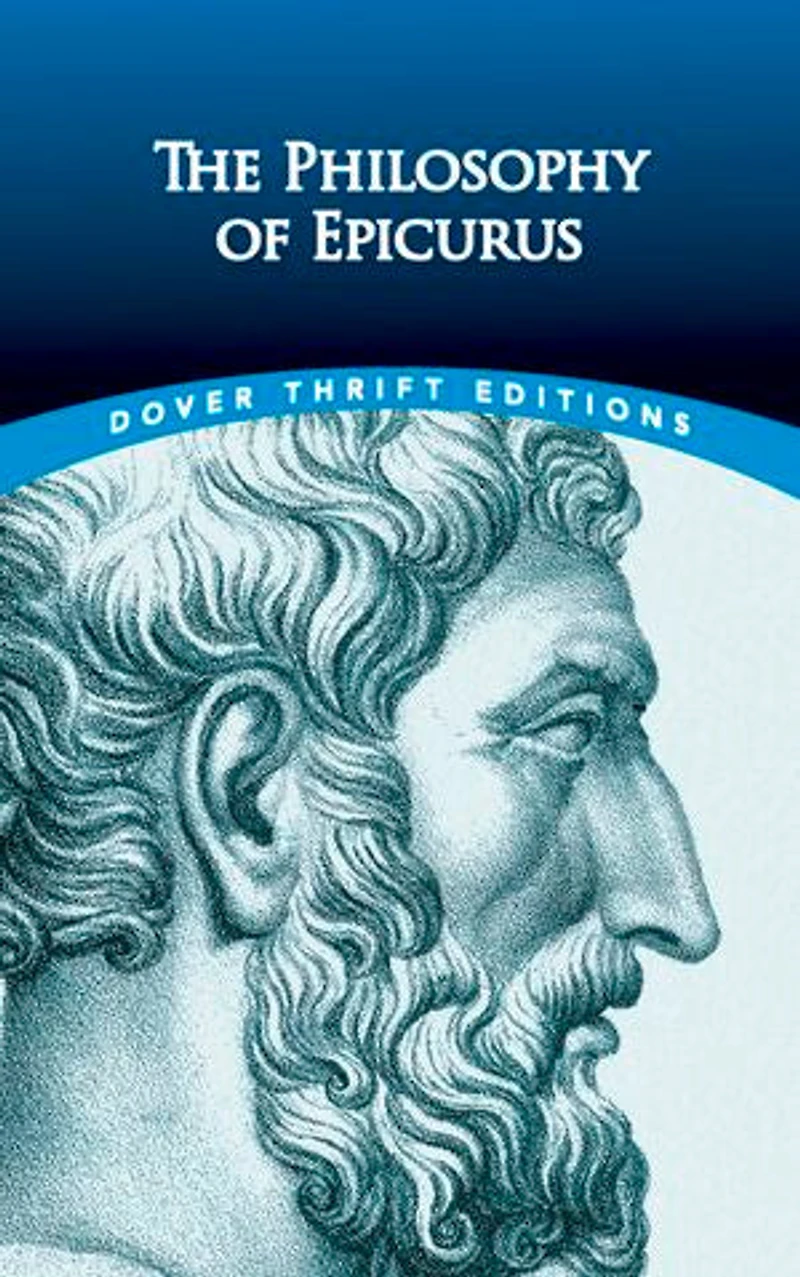
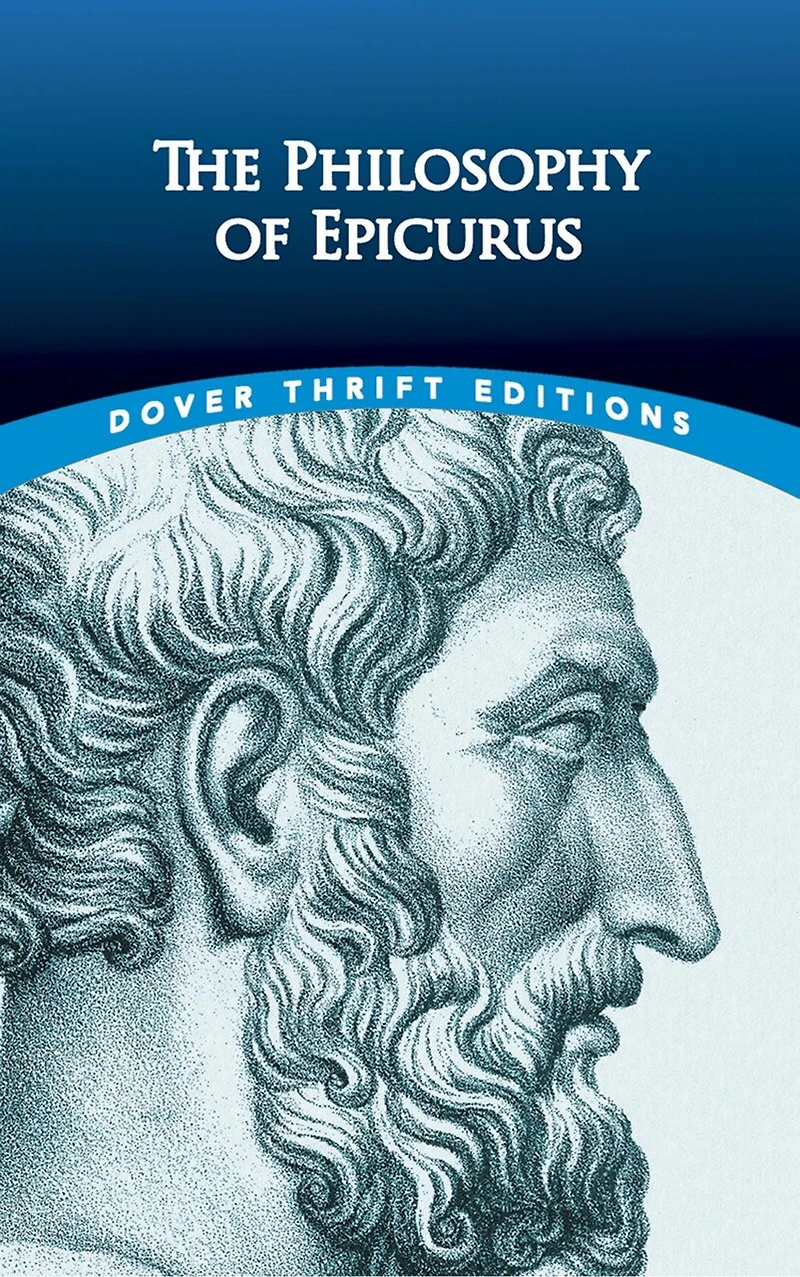
The Philosophy of Epicurus in Ottawa, ON
Current price: $9.49
Original price: $10.86

The Philosophy of Epicurus in Ottawa, ON
Current price: $9.49
Original price: $10.86
Loading Inventory...
Size: Kobo eBook
*Product information may vary - to confirm product availability, pricing, shipping and return information please contact Coles
Despite its modern-day connotations of hedonism, "Epicureanism" has more to do with living a mindful, uncomplicated life. Epicurus -- who was born at Samos, Greece, in 341 BC and died at Athens in 270 BC -- founded a school of philosophy that focused on maximizing simple pleasures and minimizing pain, such as the irrational fear of death. "Death is nothing to us," declared Epicurus, "since when we are, death has not come, and when death has come, we are not."
The philosopher did not believe that humans would be punished for their sins after death, and he stressed the lifelong search for lasting pleasures: tranquility, friendship, and philosophical inquiry. Although Epicurus was a prolific author, very few of his writings have survived. This volume, edited and translated by George K. Strodach, features three important letters and a collection of observations preserved by the biographer of ancient philosophers, Diogenes Laertius. Students of philosophy and ancient history will appreciate this compilation of Epicurus's enduring wisdom.
Despite its modern-day connotations of hedonism, "Epicureanism" has more to do with living a mindful, uncomplicated life. Epicurus -- who was born at Samos, Greece, in 341 BC and died at Athens in 270 BC -- founded a school of philosophy that focused on maximizing simple pleasures and minimizing pain, such as the irrational fear of death. "Death is nothing to us," declared Epicurus, "since when we are, death has not come, and when death has come, we are not."
The philosopher did not believe that humans would be punished for their sins after death, and he stressed the lifelong search for lasting pleasures: tranquility, friendship, and philosophical inquiry. Although Epicurus was a prolific author, very few of his writings have survived. This volume, edited and translated by George K. Strodach, features three important letters and a collection of observations preserved by the biographer of ancient philosophers, Diogenes Laertius. Students of philosophy and ancient history will appreciate this compilation of Epicurus's enduring wisdom.
You May Also Like
















More About Coles at Bayshore Shopping Centre
Coles is renowned for its outstanding customer service and great selection of books. Along with the vast array of magazines, stationary, audio-books, children's literature, fiction, non-fiction and reference books, you can find accessories to make your reading experience more pleasurable. We can recommend the very best in reading today. We will help you search our titles for exactly what you need, and if we do not have it in stock, we will order it for you.
100 Bayshore Dr, Nepean, ON K2B 8C1, Canada
Find Coles at Bayshore Shopping Centre in Ottawa, ON
Visit Coles at Bayshore Shopping Centre in Ottawa, ON