

Give the Gift of Choice!
Too many options? Treat your friends and family to their favourite stores with a Bayshore Shopping Centre gift card, redeemable at participating retailers throughout the centre. Click below to purchase yours today!Purchase HereHome
The Philosophy of Science: A Companion
Coles
Loading Inventory...
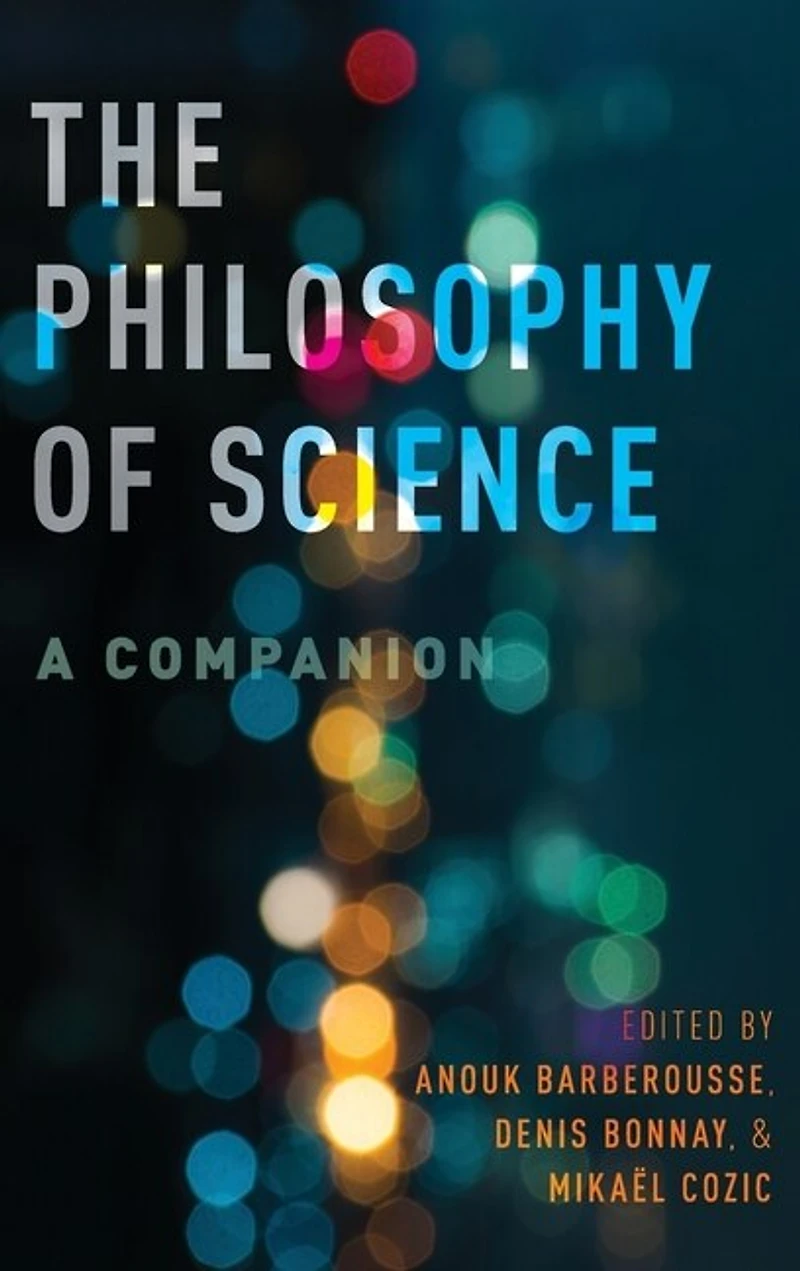

The Philosophy of Science: A Companion in Ottawa, ON
Current price: $108.95

The Philosophy of Science: A Companion in Ottawa, ON
Current price: $108.95
Loading Inventory...
Size: Hardcover
*Product information may vary - to confirm product availability, pricing, shipping and return information please contact Coles
Philosophy of science studies the methods, theories, and concepts used by scientists. It mainly developed as a field in its own right during the twentieth century and is now a diversified and lively research area. This book surveys the current state of the discipline by focusing on central themes like confirmation of scientific hypotheses, scientific explanation, causality, the relationship between science and metaphysics, scientific change, the relationship between philosophy of science and science studies, the role of theories and models, unity of science. These themes define general philosophy of science.
The book also presents sub-disciplines in the philosophy of science dealing with the main sciences: logic, mathematics, physics, biology, medicine, cognitive science, linguistics, social sciences, and economics. While it is common to address the specific philosophical problems raised by physics and biology in such a book, the place assigned to the philosophy of special sciences is much more unusual. Most authors collaborate on a regular basis in their research or teaching and share a common vision of philosophy of science and its place within philosophy and academia in general. The chapters have been written in close accordance with the three editors, thus achieving strong unity of style and tone.
Philosophy of science studies the methods, theories, and concepts used by scientists. It mainly developed as a field in its own right during the twentieth century and is now a diversified and lively research area. This book surveys the current state of the discipline by focusing on central themes like confirmation of scientific hypotheses, scientific explanation, causality, the relationship between science and metaphysics, scientific change, the relationship between philosophy of science and science studies, the role of theories and models, unity of science. These themes define general philosophy of science.
The book also presents sub-disciplines in the philosophy of science dealing with the main sciences: logic, mathematics, physics, biology, medicine, cognitive science, linguistics, social sciences, and economics. While it is common to address the specific philosophical problems raised by physics and biology in such a book, the place assigned to the philosophy of special sciences is much more unusual. Most authors collaborate on a regular basis in their research or teaching and share a common vision of philosophy of science and its place within philosophy and academia in general. The chapters have been written in close accordance with the three editors, thus achieving strong unity of style and tone.
You May Also Like


















More About Coles at Bayshore Shopping Centre
Coles is renowned for its outstanding customer service and great selection of books. Along with the vast array of magazines, stationary, audio-books, children's literature, fiction, non-fiction and reference books, you can find accessories to make your reading experience more pleasurable. We can recommend the very best in reading today. We will help you search our titles for exactly what you need, and if we do not have it in stock, we will order it for you.
100 Bayshore Dr, Nepean, ON K2B 8C1, Canada
Find Coles at Bayshore Shopping Centre in Ottawa, ON
Visit Coles at Bayshore Shopping Centre in Ottawa, ON