

Give the Gift of Choice!
Too many options? Treat your friends and family to their favourite stores with a Bayshore Shopping Centre gift card, redeemable at participating retailers throughout the centre. Click below to purchase yours today!Purchase HereHome
the Physiocrats and World of Enlightenment
Coles
Loading Inventory...
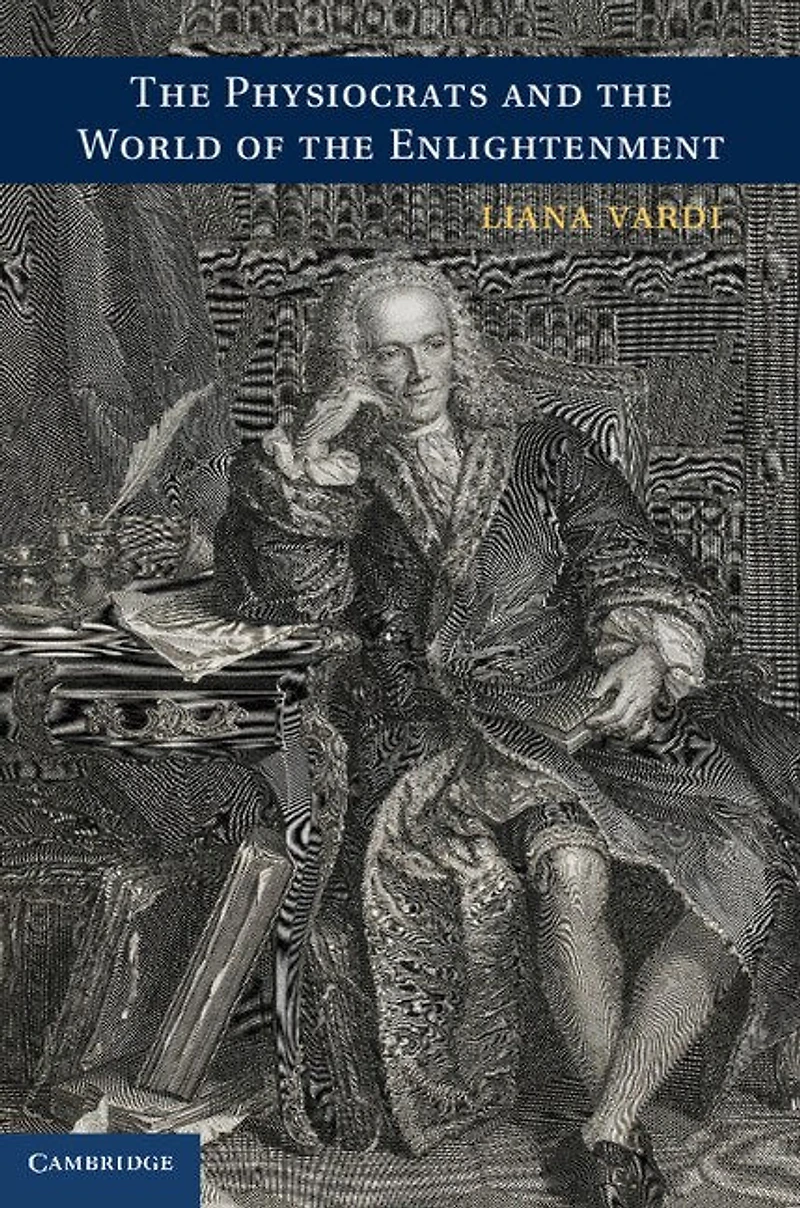
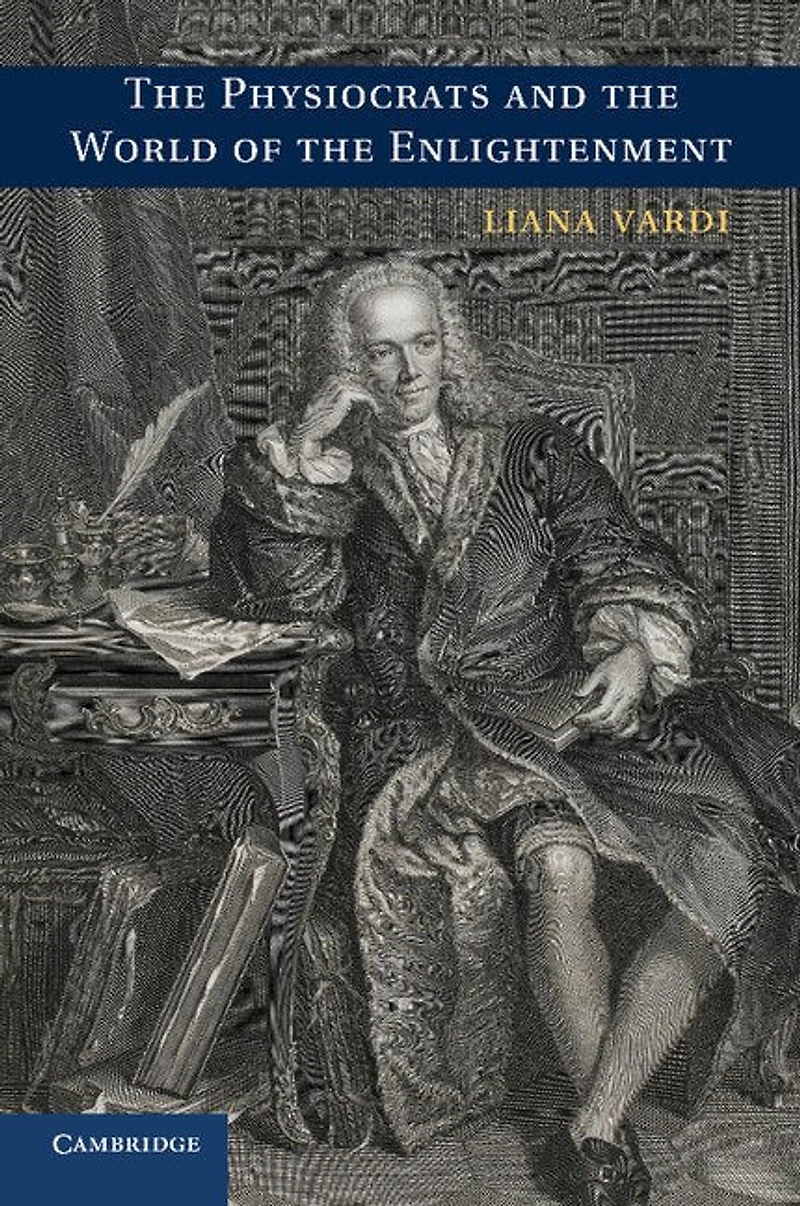
the Physiocrats and World of Enlightenment in Ottawa, ON
Current price: $152.95

the Physiocrats and World of Enlightenment in Ottawa, ON
Current price: $152.95
Loading Inventory...
Size: Hardcover
*Product information may vary - to confirm product availability, pricing, shipping and return information please contact Coles
The Physiocrats believed that wealth came exclusively from the land, that nature was fecund and man could harness its reproductive forces. Capital investments in agriculture and hard work would create profits that circulated to other sectors and supported all social institutions. Physiocracy, which originated in late eighteenth-century France, is therefore widely considered a forerunner of modern economic theory. The Physiocrats and the World of the Enlightenment places the Physiocrats in context by inscribing economic theory within broader Enlightenment culture. Liana Vardi discusses three theorists – Francois Quesnay; Victor Riquetti, marquis de Mirabeau; and Pierre Samuel Du Pont de Nemours – and shows how their understanding of mental processes, science, politics, and the arts influenced their individual approach to economic writing. The difficulty in explaining the doctrine, combined with the expectation that the public would be persuaded by its arguments, mired physiocracy in endless contradictions. This work offers a framework for understanding physiocratic theory and its complicated relation to modern economics.
The Physiocrats believed that wealth came exclusively from the land, that nature was fecund and man could harness its reproductive forces. Capital investments in agriculture and hard work would create profits that circulated to other sectors and supported all social institutions. Physiocracy, which originated in late eighteenth-century France, is therefore widely considered a forerunner of modern economic theory. The Physiocrats and the World of the Enlightenment places the Physiocrats in context by inscribing economic theory within broader Enlightenment culture. Liana Vardi discusses three theorists – Francois Quesnay; Victor Riquetti, marquis de Mirabeau; and Pierre Samuel Du Pont de Nemours – and shows how their understanding of mental processes, science, politics, and the arts influenced their individual approach to economic writing. The difficulty in explaining the doctrine, combined with the expectation that the public would be persuaded by its arguments, mired physiocracy in endless contradictions. This work offers a framework for understanding physiocratic theory and its complicated relation to modern economics.
You May Also Like











More About Coles at Bayshore Shopping Centre
Coles is renowned for its outstanding customer service and great selection of books. Along with the vast array of magazines, stationary, audio-books, children's literature, fiction, non-fiction and reference books, you can find accessories to make your reading experience more pleasurable. We can recommend the very best in reading today. We will help you search our titles for exactly what you need, and if we do not have it in stock, we will order it for you.
100 Bayshore Dr, Nepean, ON K2B 8C1, Canada
Find Coles at Bayshore Shopping Centre in Ottawa, ON
Visit Coles at Bayshore Shopping Centre in Ottawa, ON