

Give the Gift of Choice!
Too many options? Treat your friends and family to their favourite stores with a Bayshore Shopping Centre gift card, redeemable at participating retailers throughout the centre. Click below to purchase yours today!Purchase HereHome
The Poetics of Historical Perspectivism: Breitinger's Critische Dichtkunst and the Neoclassic Tradition
Coles
Loading Inventory...
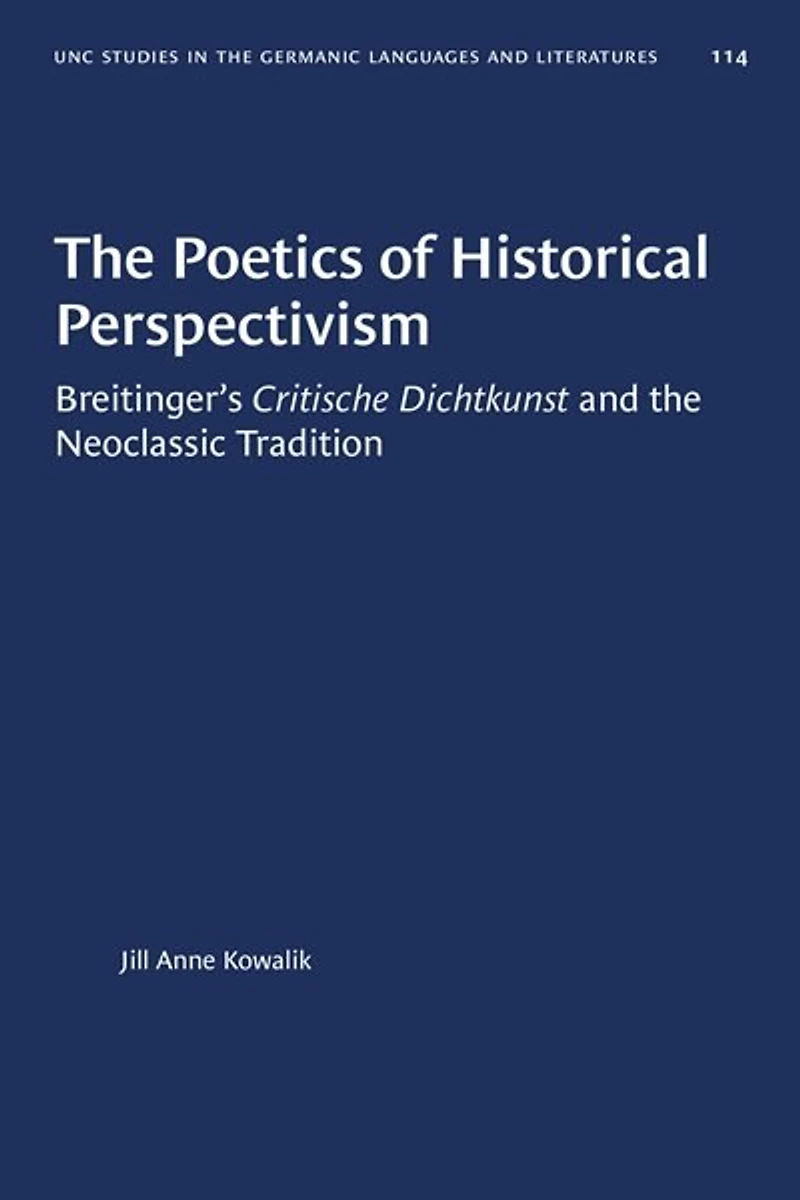
The Poetics of Historical Perspectivism: Breitinger's Critische Dichtkunst and the Neoclassic Tradition in Ottawa, ON
Current price: $32.95

The Poetics of Historical Perspectivism: Breitinger's Critische Dichtkunst and the Neoclassic Tradition in Ottawa, ON
Current price: $32.95
Loading Inventory...
Size: Paperback
*Product information may vary - to confirm product availability, pricing, shipping and return information please contact Coles
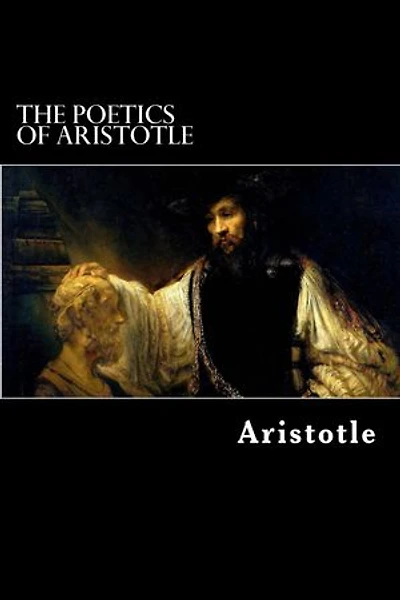
Jill Kowalik reevaluates J. J. Breitinger’s Critische Dichtkunst (1740) with regard to a heretofore neglected aspect of aesthetics in the early eighteenth century, namely how poesis and historiography could increasingly come to resemble each other in their assumptions, purposes, and methods of representation. The central argument states that historians of this period began to utilize the concept of historical perspectivism only after its development as an interpretive tool by the aesthetic thinkers of the early Enlightenment.
The Critische Dichtkunst is examined in terms of three disparate traditions: the modern reception of Aristotle’s Poetics , Horace’s Ars poetica , and the Quarrel between the Ancients and the Moderns; the model of consciousness proposed by Leibniz that describes the mind as a ceaseless process of historical intellective integration; and the German reception of French neoclassical authors, especially Dubos, whose notion of historical probability was radicalized by Breitinger and later appropriated by poets and historians alike.
Jill Kowalik reevaluates J. J. Breitinger’s Critische Dichtkunst (1740) with regard to a heretofore neglected aspect of aesthetics in the early eighteenth century, namely how poesis and historiography could increasingly come to resemble each other in their assumptions, purposes, and methods of representation. The central argument states that historians of this period began to utilize the concept of historical perspectivism only after its development as an interpretive tool by the aesthetic thinkers of the early Enlightenment.
The Critische Dichtkunst is examined in terms of three disparate traditions: the modern reception of Aristotle’s Poetics , Horace’s Ars poetica , and the Quarrel between the Ancients and the Moderns; the model of consciousness proposed by Leibniz that describes the mind as a ceaseless process of historical intellective integration; and the German reception of French neoclassical authors, especially Dubos, whose notion of historical probability was radicalized by Breitinger and later appropriated by poets and historians alike.


%252Fimages%252Fcatalog2024%252F247441_1.jpg_medium.webp)









More About Coles at Bayshore Shopping Centre
Coles is renowned for its outstanding customer service and great selection of books. Along with the vast array of magazines, stationary, audio-books, children's literature, fiction, non-fiction and reference books, you can find accessories to make your reading experience more pleasurable. We can recommend the very best in reading today. We will help you search our titles for exactly what you need, and if we do not have it in stock, we will order it for you.
100 Bayshore Dr, Nepean, ON K2B 8C1, Canada
Find Coles at Bayshore Shopping Centre in Ottawa, ON
Visit Coles at Bayshore Shopping Centre in Ottawa, ON