

Give the Gift of Choice!
Too many options? Treat your friends and family to their favourite stores with a Bayshore Shopping Centre gift card, redeemable at participating retailers throughout the centre. Click below to purchase yours today!Purchase HereHome
The Political Dynamics of Partisan Polarization
Coles
Loading Inventory...
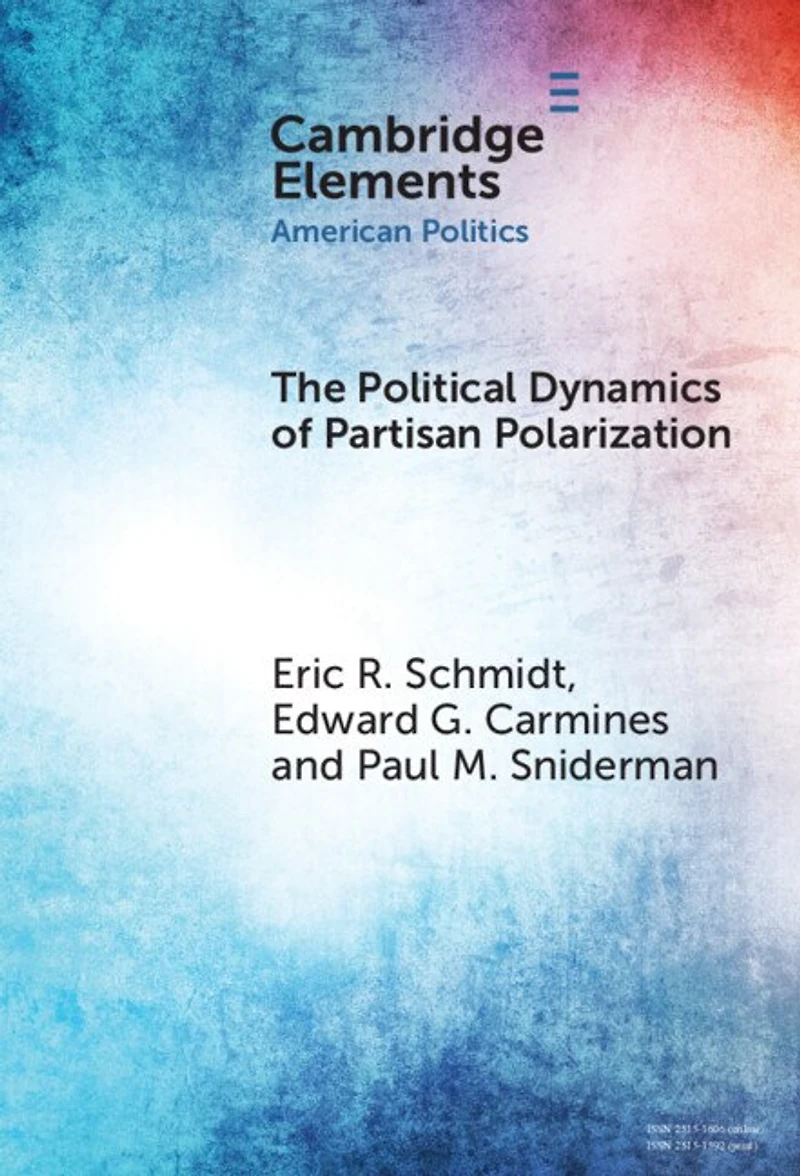
The Political Dynamics of Partisan Polarization in Ottawa, ON
Current price: $94.73

The Political Dynamics of Partisan Polarization in Ottawa, ON
Current price: $94.73
Loading Inventory...
Size: Hardcover
*Product information may vary - to confirm product availability, pricing, shipping and return information please contact Coles
This is a study of the dynamics of partisan polarization in the United States. It has three objectives: (1) to identify and explain why some Republicans and Democrats – but not others – have polarized, particularly over the last twenty years; (2) to demonstrate that they have done so not on this or that issue but systematically, programmatically – domain versus issue sorting; and (3) to bring into the open profound asymmetries in polarization between the two parties, not least that Republicans polarized early and thoroughly on issues of race, while Democrats in the largest number stayed neutral or even conservative until only recently. Emerging from the reasoning and results is a revised theory of party identification that specifies the conditions under which ordinary Republicans and Democrats can become ideological partisans – real-life conservatives and liberals in their behavior – in the choices they make on candidates, policies, and parties.
This is a study of the dynamics of partisan polarization in the United States. It has three objectives: (1) to identify and explain why some Republicans and Democrats – but not others – have polarized, particularly over the last twenty years; (2) to demonstrate that they have done so not on this or that issue but systematically, programmatically – domain versus issue sorting; and (3) to bring into the open profound asymmetries in polarization between the two parties, not least that Republicans polarized early and thoroughly on issues of race, while Democrats in the largest number stayed neutral or even conservative until only recently. Emerging from the reasoning and results is a revised theory of party identification that specifies the conditions under which ordinary Republicans and Democrats can become ideological partisans – real-life conservatives and liberals in their behavior – in the choices they make on candidates, policies, and parties.
You May Also Like













More About Coles at Bayshore Shopping Centre
Coles is renowned for its outstanding customer service and great selection of books. Along with the vast array of magazines, stationary, audio-books, children's literature, fiction, non-fiction and reference books, you can find accessories to make your reading experience more pleasurable. We can recommend the very best in reading today. We will help you search our titles for exactly what you need, and if we do not have it in stock, we will order it for you.
100 Bayshore Dr, Nepean, ON K2B 8C1, Canada
Find Coles at Bayshore Shopping Centre in Ottawa, ON
Visit Coles at Bayshore Shopping Centre in Ottawa, ON