

Give the Gift of Choice!
Too many options? Treat your friends and family to their favourite stores with a Bayshore Shopping Centre gift card, redeemable at participating retailers throughout the centre. Click below to purchase yours today!Purchase HereHome
The Political Economy of Border Drawing: Arranging Legality European Labor Migration Policies
Coles
Loading Inventory...

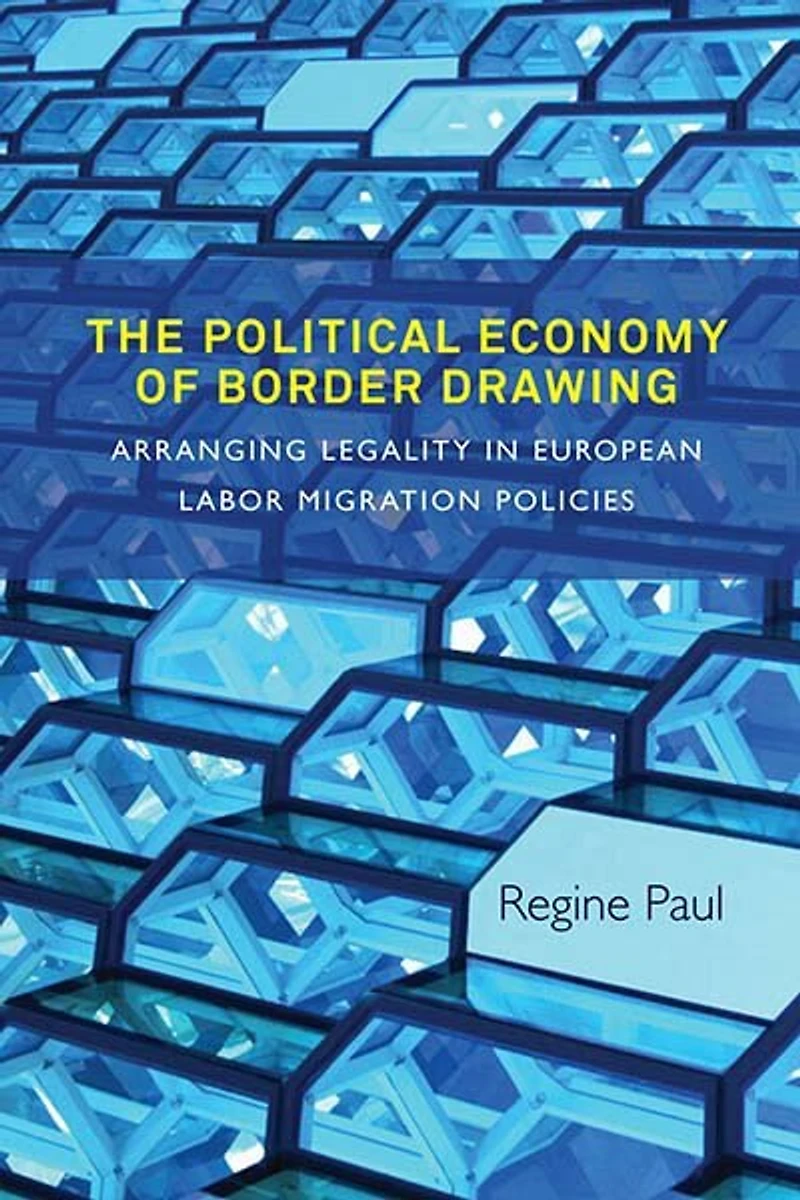
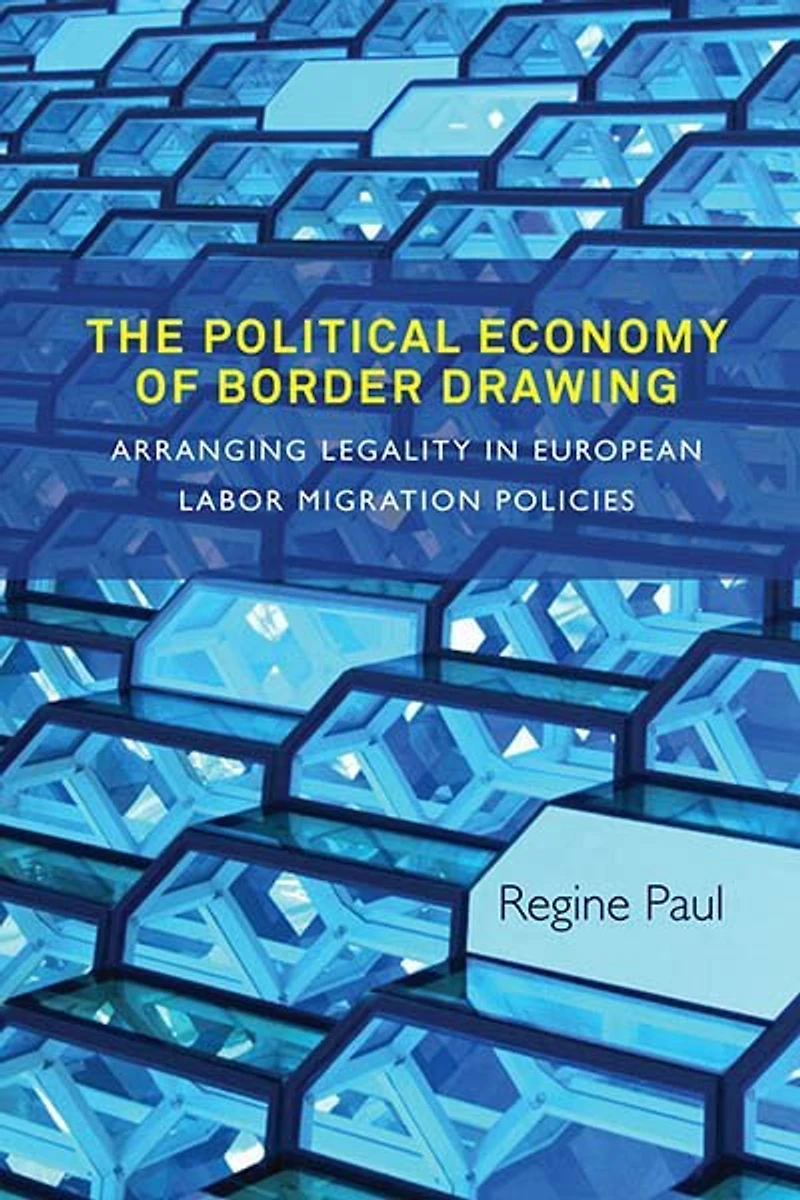
The Political Economy of Border Drawing: Arranging Legality European Labor Migration Policies in Ottawa, ON
Current price: $27.09
Original price: $33.86

The Political Economy of Border Drawing: Arranging Legality European Labor Migration Policies in Ottawa, ON
Current price: $27.09
Original price: $33.86
Loading Inventory...
Size: Kobo eBook
*Product information may vary - to confirm product availability, pricing, shipping and return information please contact Coles
The conditions for non-EU migrant workers to gain legal entry to Britain, France, and Germany are at the same time similar and quite different. To explain this variation this book compares the fine-grained legal categories for migrant workers in each country, and examines the interaction of economic, social, and cultural rationales in determining migrant legality. Rather than investigating the failure of borders to keep unauthorized migrants out, the author highlights the different policies of each country as “border-drawing” actions. Policymakers draw lines between different migrant groups, and between migrants and citizens, through considerations of both their economic utility and skills, but also their places of origin and prospects for social integration. Overall, migrant worker legality is arranged against the backdrop of the specific vision each country has of itself in an economically competitive, globalized world with rapidly changing welfare and citizenship models.
The conditions for non-EU migrant workers to gain legal entry to Britain, France, and Germany are at the same time similar and quite different. To explain this variation this book compares the fine-grained legal categories for migrant workers in each country, and examines the interaction of economic, social, and cultural rationales in determining migrant legality. Rather than investigating the failure of borders to keep unauthorized migrants out, the author highlights the different policies of each country as “border-drawing” actions. Policymakers draw lines between different migrant groups, and between migrants and citizens, through considerations of both their economic utility and skills, but also their places of origin and prospects for social integration. Overall, migrant worker legality is arranged against the backdrop of the specific vision each country has of itself in an economically competitive, globalized world with rapidly changing welfare and citizenship models.
You May Also Like

















More About Coles at Bayshore Shopping Centre
Coles is renowned for its outstanding customer service and great selection of books. Along with the vast array of magazines, stationary, audio-books, children's literature, fiction, non-fiction and reference books, you can find accessories to make your reading experience more pleasurable. We can recommend the very best in reading today. We will help you search our titles for exactly what you need, and if we do not have it in stock, we will order it for you.
100 Bayshore Dr, Nepean, ON K2B 8C1, Canada
Find Coles at Bayshore Shopping Centre in Ottawa, ON
Visit Coles at Bayshore Shopping Centre in Ottawa, ON