

Give the Gift of Choice!
Too many options? Treat your friends and family to their favourite stores with a Bayshore Shopping Centre gift card, redeemable at participating retailers throughout the centre. Click below to purchase yours today!Purchase HereHome
The Politics of Fashion Eighteenth-Century America
Coles
Loading Inventory...
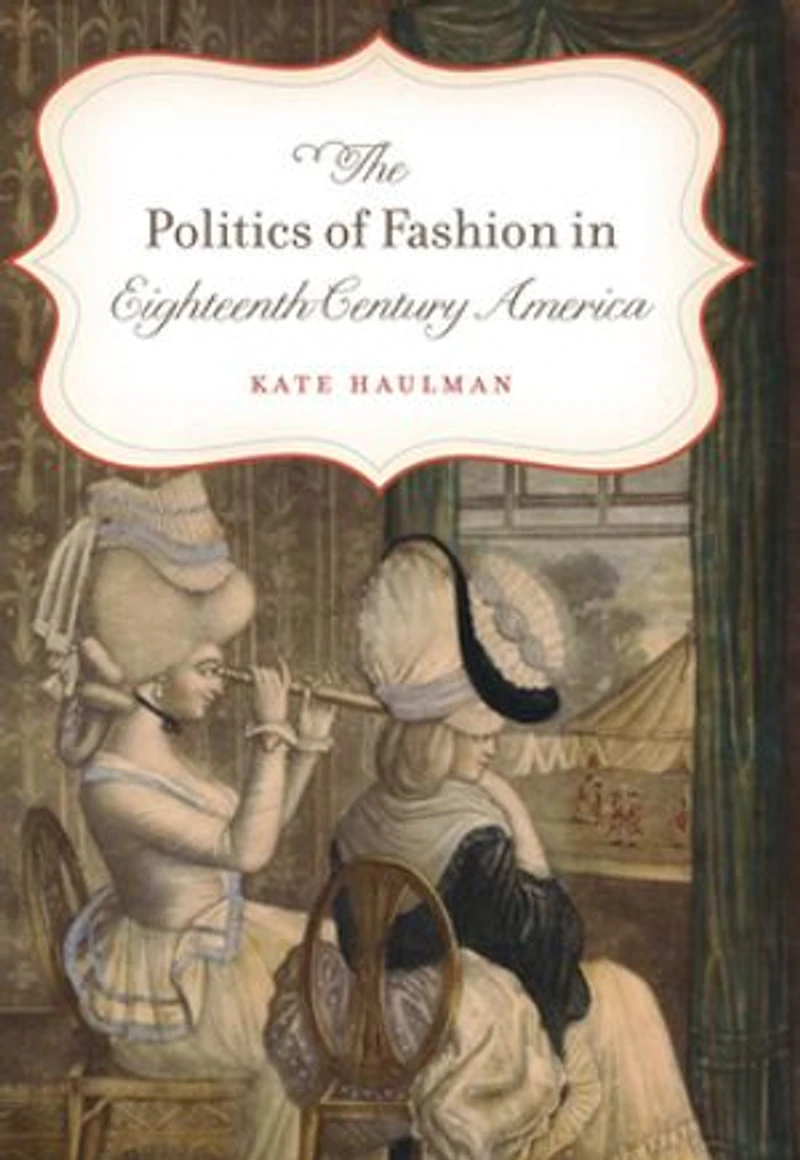
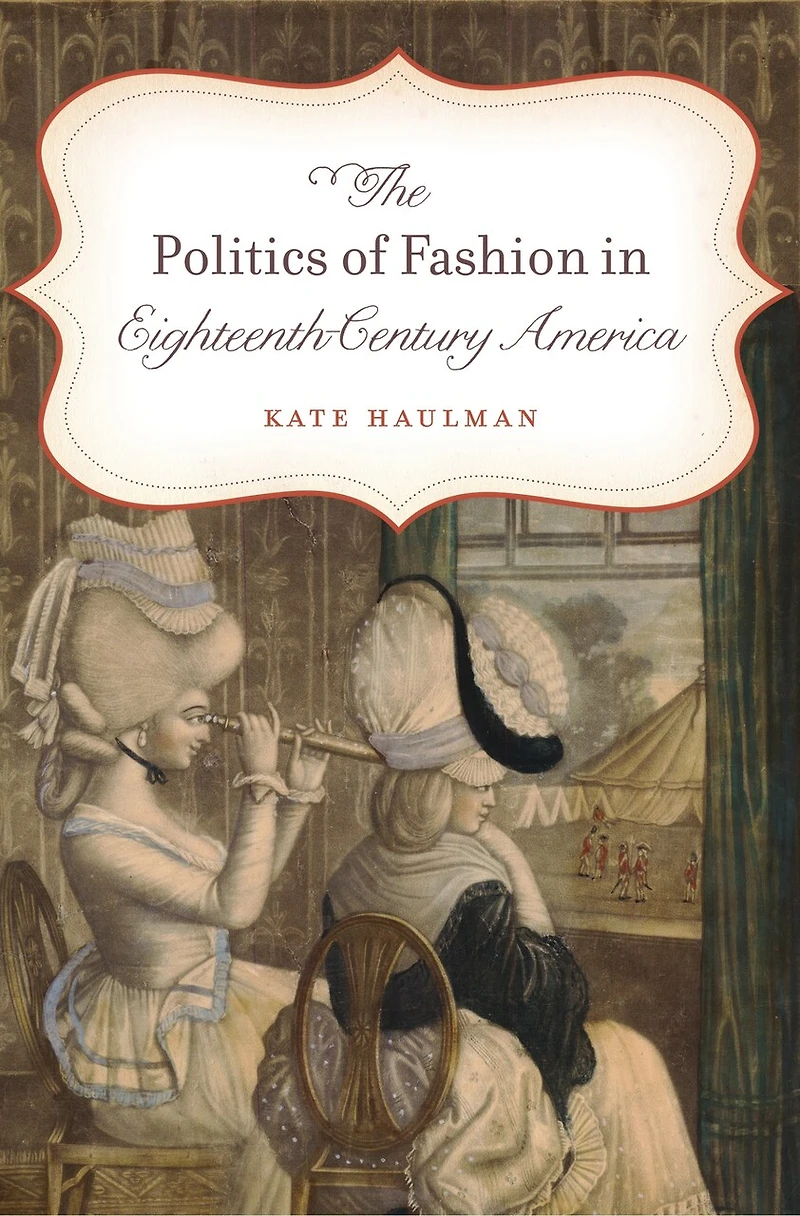
The Politics of Fashion Eighteenth-Century America in Ottawa, ON
Current price: $28.79
Original price: $35.99

The Politics of Fashion Eighteenth-Century America in Ottawa, ON
Current price: $28.79
Original price: $35.99
Loading Inventory...
Size: Kobo eBook
*Product information may vary - to confirm product availability, pricing, shipping and return information please contact Coles
In eighteenth-century America, fashion served as a site of contests over various forms of gendered power. Here, Kate Haulman explores how and why fashion — both as a concept and as the changing style of personal adornment — linked gender relations, social order, commerce, and political authority during a time when traditional hierarchies were in flux.
In the see-and-be-seen port cities of Boston, New York, Philadelphia, and Charleston, fashion, a form of power and distinction, was conceptually feminized yet pursued by both men and women across class ranks. Haulman shows that elite men and women in these cities relied on fashion to present their status but also attempted to undercut its ability to do so for others. Disdain for others' fashionability was a means of safeguarding social position in cities where the modes of dress were particularly fluid and a way to maintain gender hierarchy in a world in which women’s power as consumers was expanding. Concerns over gendered power expressed through fashion in dress, Haulman reveals, shaped the revolutionary-era struggles of the 1760s and 1770s, influenced national political debates, and helped to secure the exclusions of the new political order.
In eighteenth-century America, fashion served as a site of contests over various forms of gendered power. Here, Kate Haulman explores how and why fashion — both as a concept and as the changing style of personal adornment — linked gender relations, social order, commerce, and political authority during a time when traditional hierarchies were in flux.
In the see-and-be-seen port cities of Boston, New York, Philadelphia, and Charleston, fashion, a form of power and distinction, was conceptually feminized yet pursued by both men and women across class ranks. Haulman shows that elite men and women in these cities relied on fashion to present their status but also attempted to undercut its ability to do so for others. Disdain for others' fashionability was a means of safeguarding social position in cities where the modes of dress were particularly fluid and a way to maintain gender hierarchy in a world in which women’s power as consumers was expanding. Concerns over gendered power expressed through fashion in dress, Haulman reveals, shaped the revolutionary-era struggles of the 1760s and 1770s, influenced national political debates, and helped to secure the exclusions of the new political order.
You May Also Like










More About Coles at Bayshore Shopping Centre
Coles is renowned for its outstanding customer service and great selection of books. Along with the vast array of magazines, stationary, audio-books, children's literature, fiction, non-fiction and reference books, you can find accessories to make your reading experience more pleasurable. We can recommend the very best in reading today. We will help you search our titles for exactly what you need, and if we do not have it in stock, we will order it for you.
100 Bayshore Dr, Nepean, ON K2B 8C1, Canada
Find Coles at Bayshore Shopping Centre in Ottawa, ON
Visit Coles at Bayshore Shopping Centre in Ottawa, ON